The Daily Diff
Signal, Not Noise; Papers and Threads Worth Your Time
  /\_/\
 ( o.o )
  > ^ <
GPT-5.6 closes 30-year gap in convex optimization
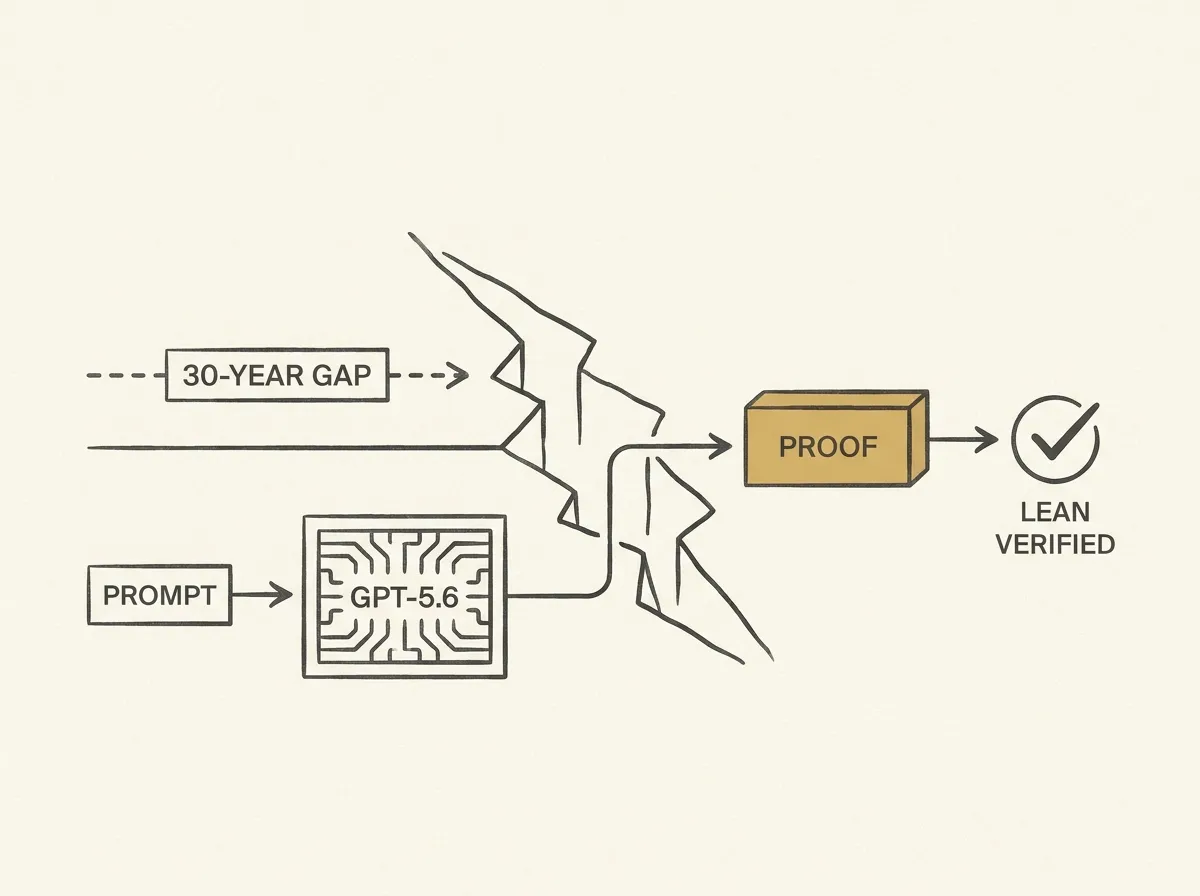
GPT-5.6 recently closed a 30-year gap in convex optimization, not by sheer brute force, but by using a targeted prompt. The resulting proof was independently verified with the Lean theorem prover, adding a layer of rigor. This is a significant leap.
This is not merely an incremental improvement; it highlights a profound advancement in LLM reasoning capabilities. It moves beyond typical text generation to demonstrate genuine problem-solving in a highly abstract mathematical domain.
Such an achievement suggests that carefully engineered prompts can unlock surprising analytical power, potentially changing how we approach complex computational and mathematical challenges with AI. This is a must-read for anyone building with LLMs.
Harness Engineering improves agent output by shaping its environment
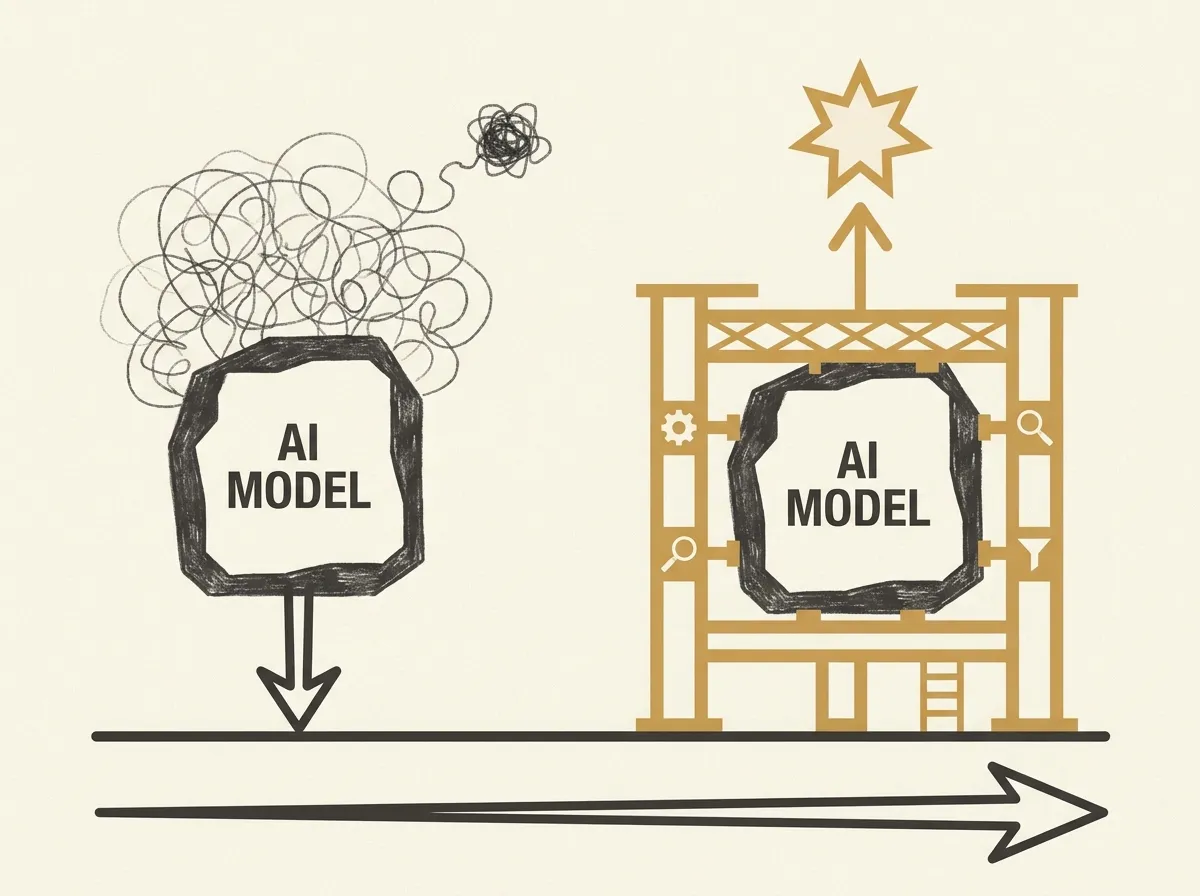
The biggest bottleneck for AI agents is often not the model itself, but how we ‘harness’ it. This repository introduces ‘Harness Engineering,’ a critical approach to improving agent output by meticulously shaping its environment.
It emphasizes that keeping the model and coding agent as a black box and instead focusing on external levers—like context and tools—is far more effective. Think of it as context engineering: how you feed information, how you provide capabilities, and how you curate the operational environment.
This means defining clear non-functional requirements for the harness: reliability, security, maintainability. By making agents more effective and less prone to distraction by irrelevant information, you can achieve significant improvements in output. This is a must-read for anyone building serious AI agents.
RLxF principles improve safety in model-based control and LLM alignment
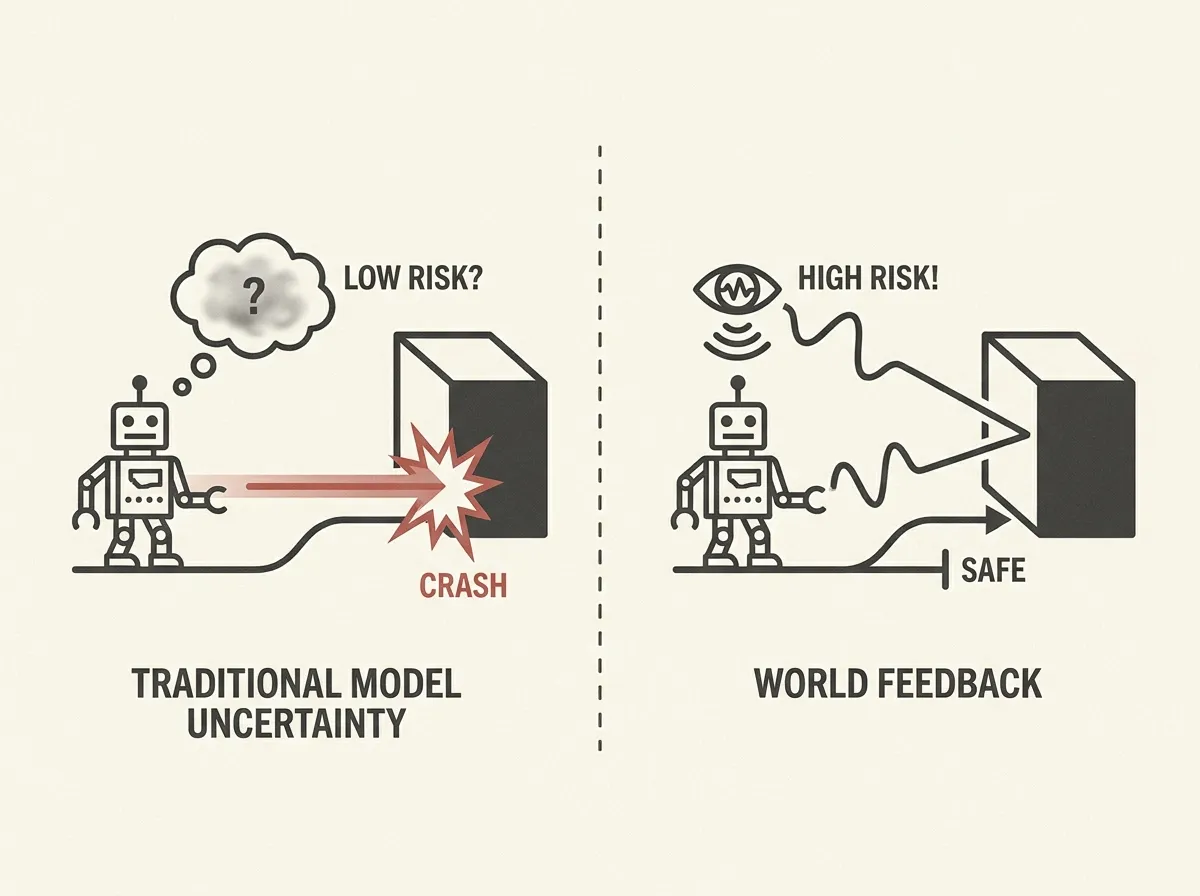
A foundational assumption in safe model-based reinforcement learning (MBRL) is that model uncertainty can serve as a reliable risk signal. This paper delivers a shocking, empirically-backed counter-argument: model uncertainty fails as a risk signal and can even increase collision rates, from 26% to 34% in their tests!
The core insight is that learning signals for safety should come from world feedback, not internal model proxies. The authors replace dynamics-based uncertainty penalties with three world-feedback signals: a sensor-derived margin, time-to-collision, and an outcome-supervised feedback model.
The results are dramatic: collisions drop to 1-14% without even retraining the core world model or planner. The mechanism is structural: model uncertainty exists in state-prediction space, while task risk lives at constraint boundaries. The correlation between the two is surprisingly low, less than 0.15.
This paper offers three crucial RLxF principles for safe AI: ground risk in world outcomes, validate proxies rigorously, and use outcome-trained feedback models when direct world signals are unavailable. This is a must-read for anyone building robust, safe AI agents.
Jarvis-style mediation enhances user interaction and task performance in AI agents
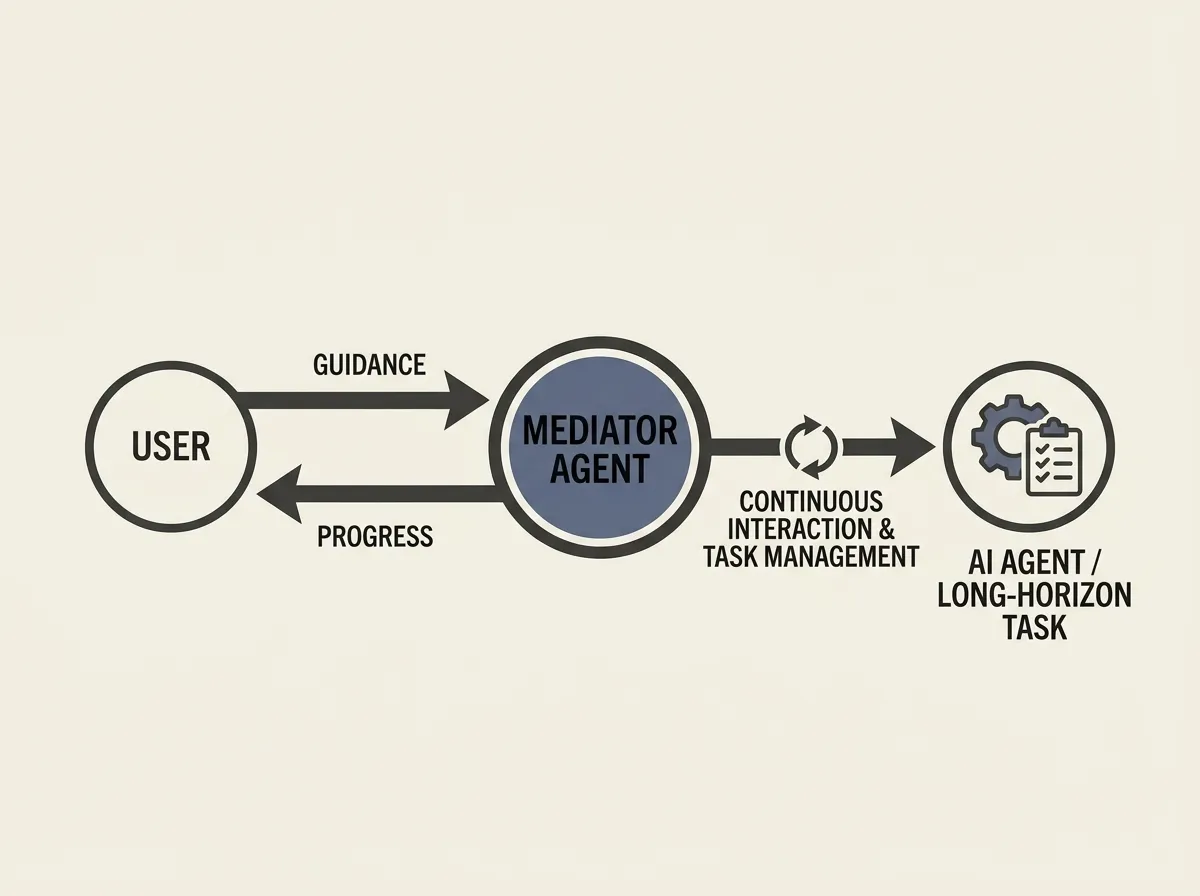
Long-horizon AI agents are powerful, but their user interaction often feels clunky: initial instruction, sparse text updates, and little transparency. This paper introduces a “Jarvis-style mediator agent” to fill this gap, offering an “always-on” layer for real-time spoken interaction, progress reporting, and user guidance.
This mediator doesn’t interrupt the worker agent; instead, it answers user questions, proactively flags confusion, and injects user guidance back into execution when needed. This significantly boosts user understanding and, crucially, task success rates.
The JarvisBench benchmark evaluates this, showing that mediation can provide trace-grounded responses and improve task performance when sparse user guidance is injected at appropriate moments. This is a critical step towards more reliable and human-friendly AI agent systems.
Better human-agent interaction is not just about convenience; it is about performance.
AI component integration overlooks security, repeating supply chain mistakes
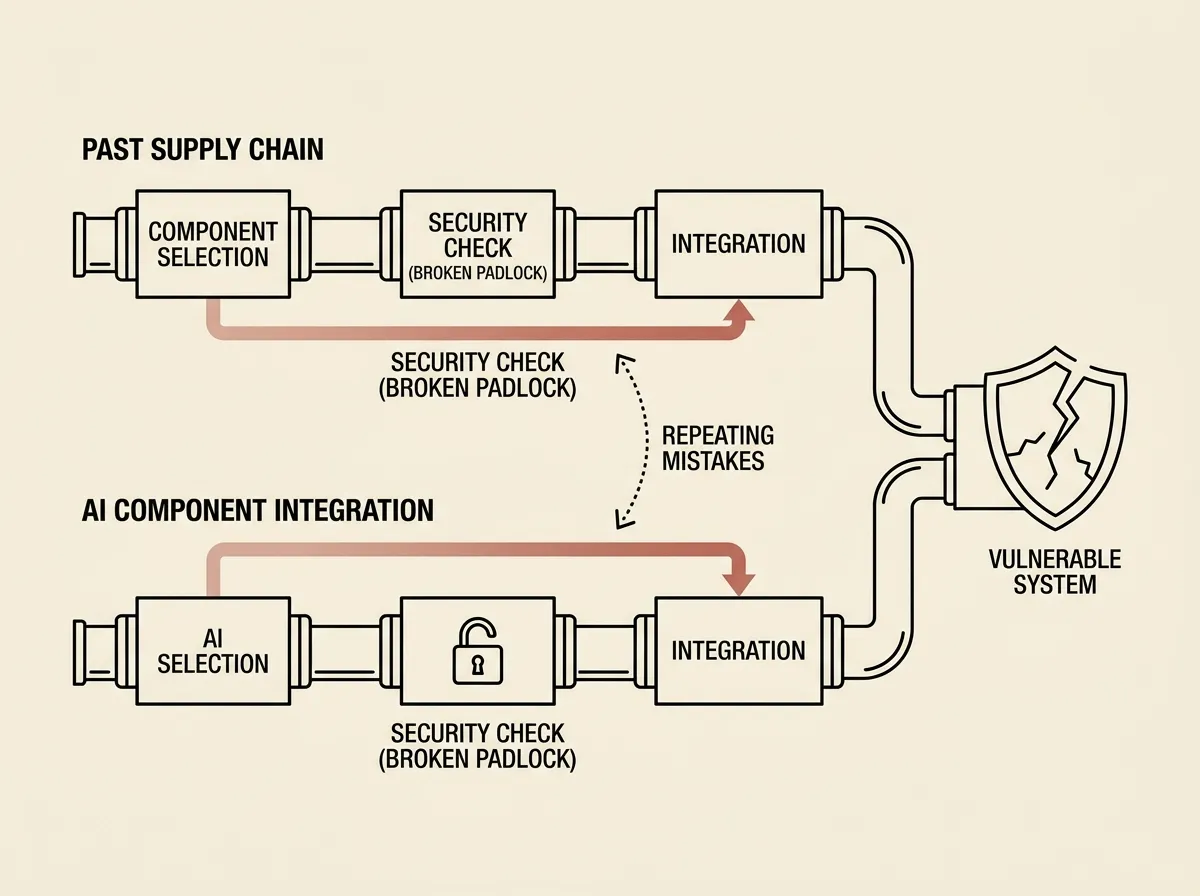
Many teams integrating AI components, especially LLMs, are making a critical mistake: they are largely ignoring security during selection and integration. This interview study found a consistent lack of security concern.
Practitioners prioritize functional aspects like performance, accuracy, and features. The result? We are repeating the “historically costly mistakes” of early software dependency management, prioritizing rapid reuse over security and provenance. This leaves applications vulnerable to malicious components, data leakage, and unintended behavior.
The paper distills these findings into actionable recommendations for AI adopters and model providers, advocating for a proactive “security-by-design” approach. For senior engineers, this is a stark reminder to apply lessons from traditional software supply chain security to the rapidly evolving AI ecosystem.
This is not just a theoretical concern; it is a practical call to action to build more robust and trustworthy AI-powered systems.
Algorithmic supervision enables open-source LLM to compete in depression screening
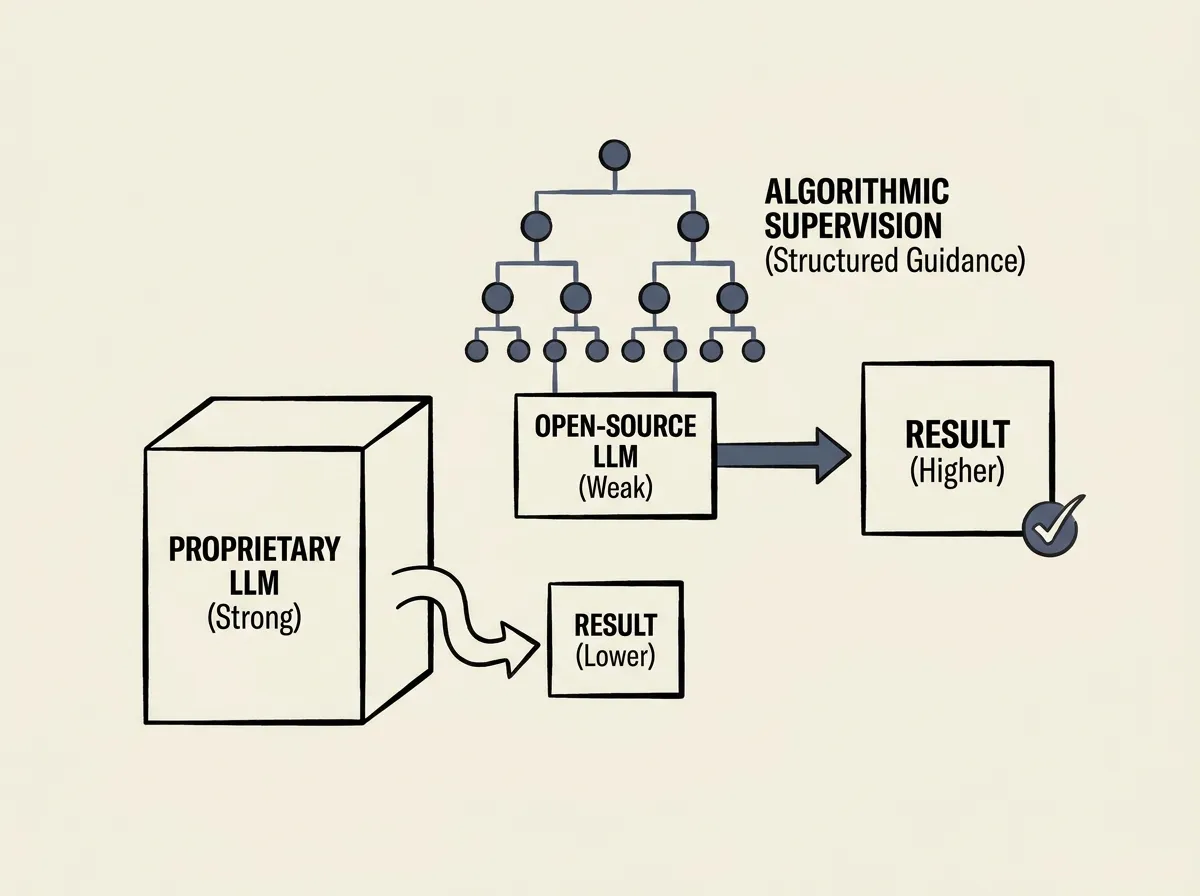
Building reliable LLM agents often feels like a perpetual chase for the largest model, but this research proves otherwise. A multi-agent system leveraging algorithmic guidance enabled an open-source Gemma 27B model to outperform GPT-5-nano for conversational depression screening, all at one-quarter of the cost.
This is a game-changer for production systems. The team injected structured components like precomputed dialogue trees, reliability-weighted consensus aggregation, and cluster-based imputation. These elements compensated for the open-source model’s weaker reasoning, pushing it to 3rd place overall in the eRisk 2026 challenge.
The key takeaway is clear: do not just throw a bigger model at the problem. Thoughtful agentic design and algorithmic supervision can unlock superior performance and significant cost savings, making advanced AI more accessible and reliable.
Constraint-Anchored Reasoning Traces reduce error snowballing in multimodal LLMs
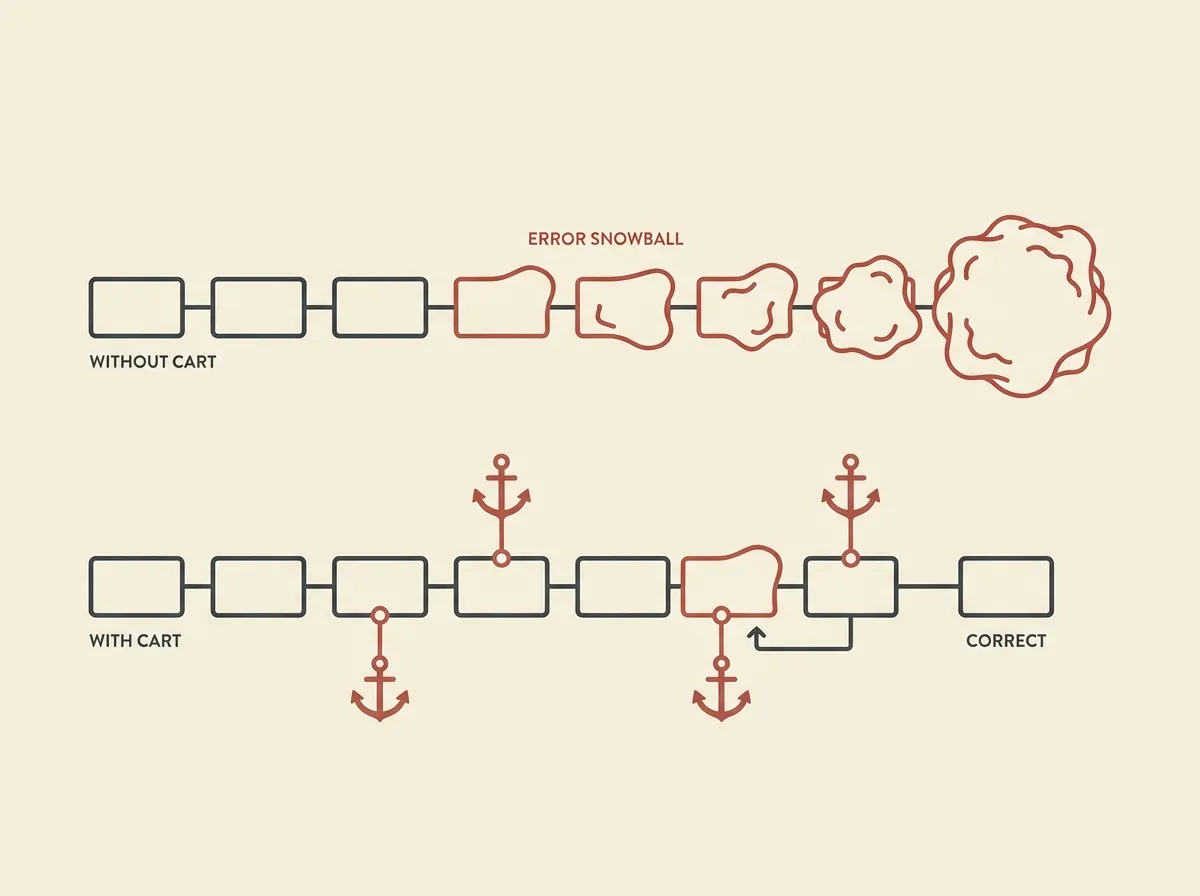
Error snowballing in LLM reasoning chains is a silent killer for reliable AI applications, where one mistake cascades into complete failure. A new neuro-symbolic framework, Constraint-Anchored Reasoning Traces (CART), offers a powerful solution.
CART integrates natural language reasoning with machine-checkable symbolic constraint assertions, allowing the system to detect contradictions early. When an inconsistency is found, it backtracks to the last consistent checkpoint, preventing error propagation. This simple yet profound approach slashes the snowball rate from a crippling 65 percent down to a mere 14 percent.
Engineers building production-grade LLM systems should pay close attention. CART provides a concrete, implementable strategy to enhance the trustworthiness and robustness of multimodal LLMs, moving beyond purely black-box reasoning to a more verifiable and corrective paradigm.
RELIC learns interpretable and composable skills for private multi-agent coordination
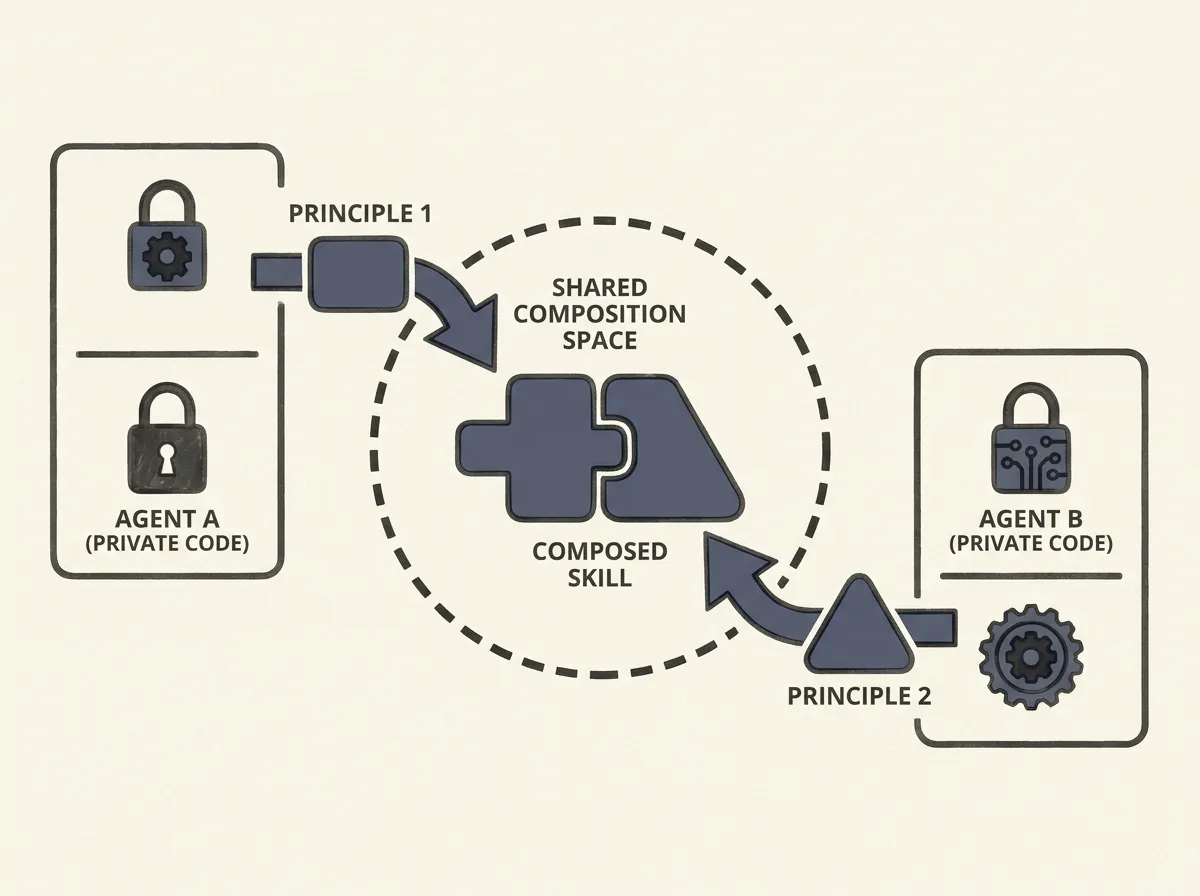
Coordinating multiple AI agents, especially when they need to keep their internal implementations private, is a major hurdle in deploying complex autonomous systems. RELIC introduces an innovative solution that tackles this head-on.
Instead of sharing executable policies or code, agents in RELIC learn and abstract successful behaviors into “portable principles.” These principles are then shared and instantiated by other agents within their own interfaces, enabling effective coordination and skill transfer without revealing proprietary implementations. This elegantly separates coordination from the intricacies of implementation.
This framework offers a new paradigm for building multi-agent systems that respect privacy and leverage heterogeneous capabilities. Engineers working on agentic AI will find this approach invaluable for designing robust, scalable, and interoperable multi-agent architectures in real-world scenarios where independent development and data privacy are paramount.
AgentBrew distills teacher experience for deployable LLM agents

Building capable LLM agents often requires compact models for deployment, even if stronger teachers exist during development. AgentBrew offers a “knowledge brewing” solution to distill a strong teacher’s interactive experience into a persistent external memory for weaker student agents.
This approach bypasses costly weight updates, expert demonstrations, or ground-truth labels. It tackles challenges like sparse feedback and ensuring teacher-authored notes are concretely executable by a substantially weaker student through a “failure-triggered teacher-Ralph Loop” and “student-aware synthesis.”
This innovative paradigm provides a highly practical path to creating deployable, capable LLM agents by making the most of existing, more powerful models without expensive retraining.
LLMs enable environment-free synthetic data generation for API-calling agents
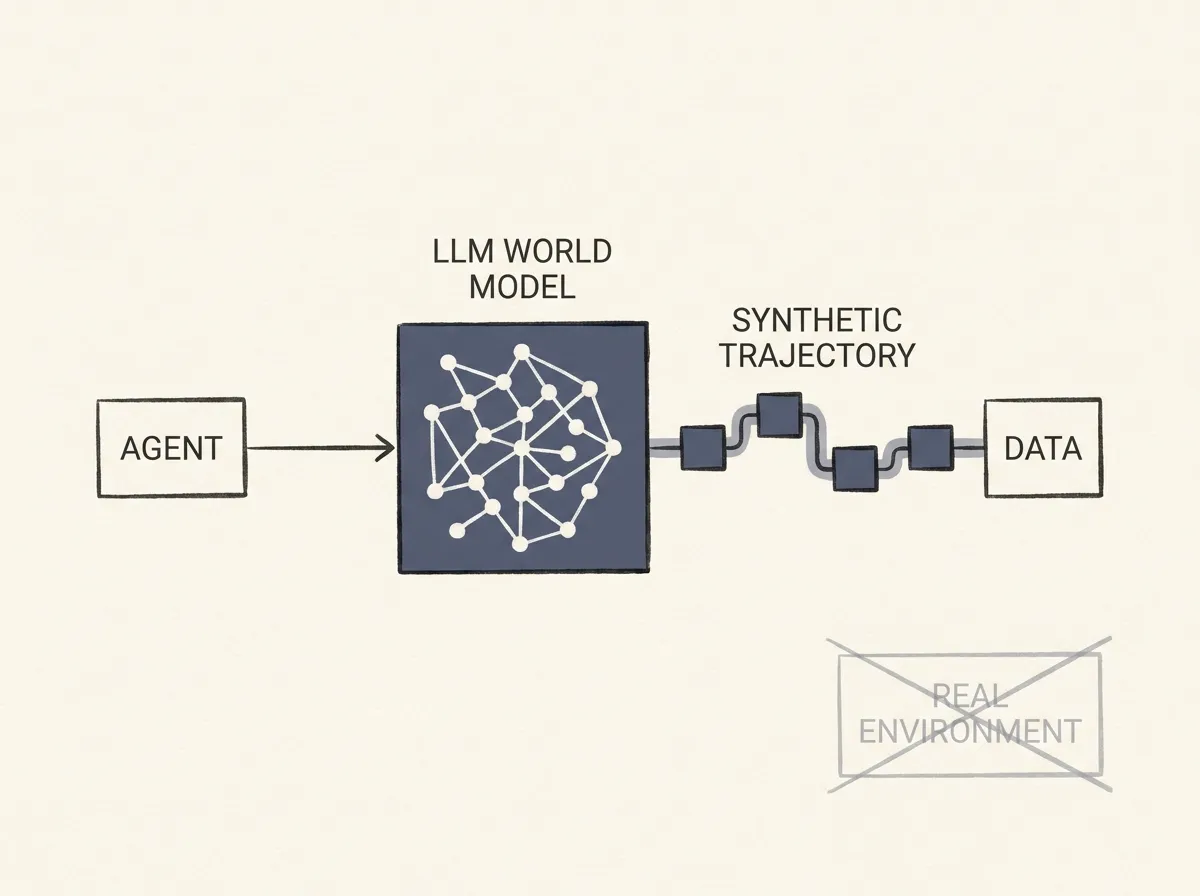
A major bottleneck in developing robust API-calling LLM agents has been the need for massive, high-quality training trajectories, often requiring fully implemented, stateful environments. This new research presents a game-changing solution.
The core idea is to leverage LLMs themselves as “on-the-fly digital world models.” The process is ingenious: an LLM generates diverse tasks, a teacher agent iteratively solves them, and an LLM simulator provides coherent synthetic API responses, with a final LLM judge filtering for quality.
This “environment-free” approach drastically reduces the infrastructure burden. Fine-tuning models on this synthetic data yielded significant performance gains on benchmarks like AppWorld and OfficeBench, proving that effective supervision for API-calling agents can be generated without any executable environment. This is a huge win for scalable agent development.
TurboVec improves RAG system recall, privacy, and memory efficiency
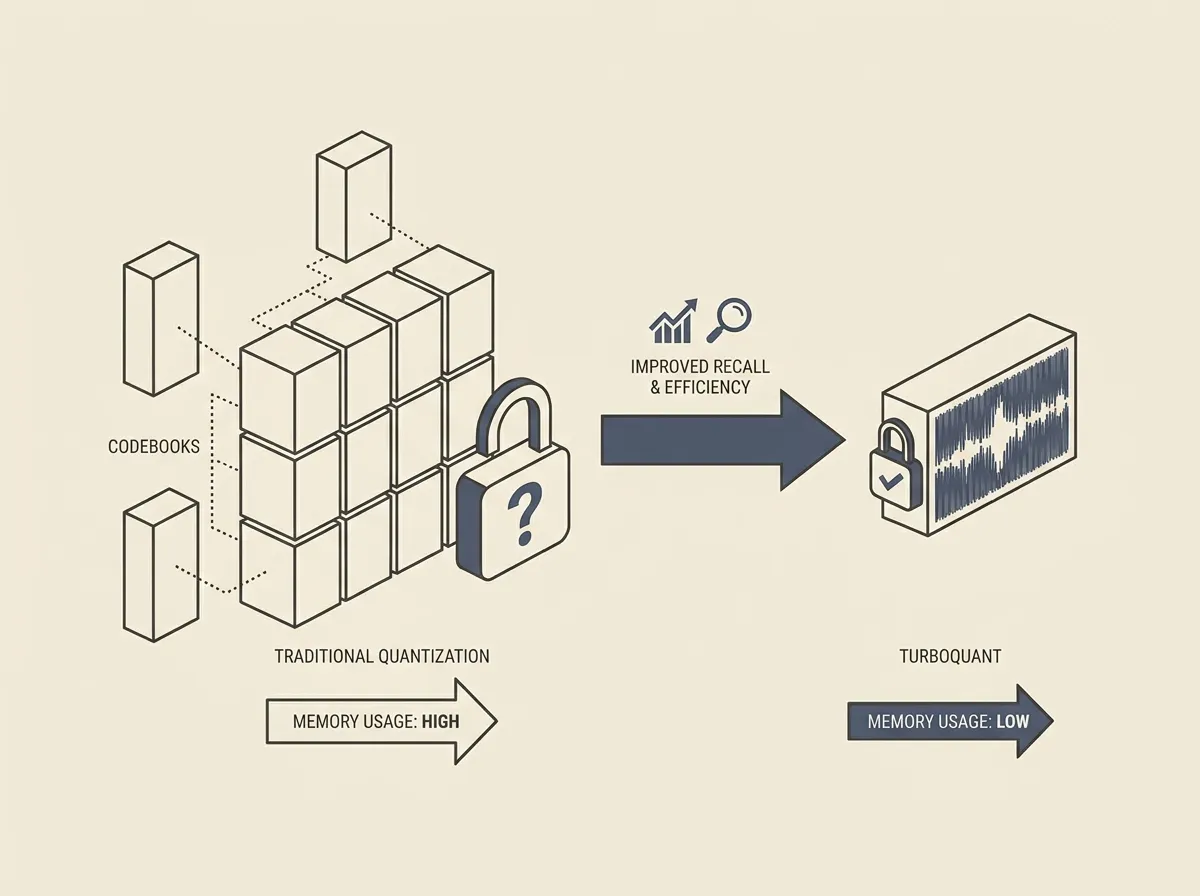
Enterprise RAG deployments face a thorny dilemma: how to achieve cost-efficient retrieval and robust privacy without sacrificing recall. TurboVec offers a compelling answer with its foundation on TurboQuant, a codebook-oblivious scalar quantizer. This is a game changer for vector databases.
TurboQuant 4-bit, for instance, dramatically outperforms trained FAISS Product Quantization, delivering 8.5-8.9 percentage points higher Recall@5 while using 4-8x less memory than HNSW. The “codebook-oblivious” design is key for privacy in multi-tenant environments, reducing membership inference accuracy to near-random levels (50.0 percent) compared to 57.3 percent for PQ codebooks.
For engineers building real-world RAG systems, these are not just academic numbers. Deployed on Snowpark, TurboVec achieved an 11ms median query latency for 100K vectors, a massive improvement over brute-force scans. This paper provides a blueprint for practical, scalable, and secure RAG, demonstrating that you do not need to compromise on performance or privacy. This is a must-read if you are navigating the complexities of vector retrieval in production.
IORM solves storage governance for disaggregated clusters with heterogeneous hardware
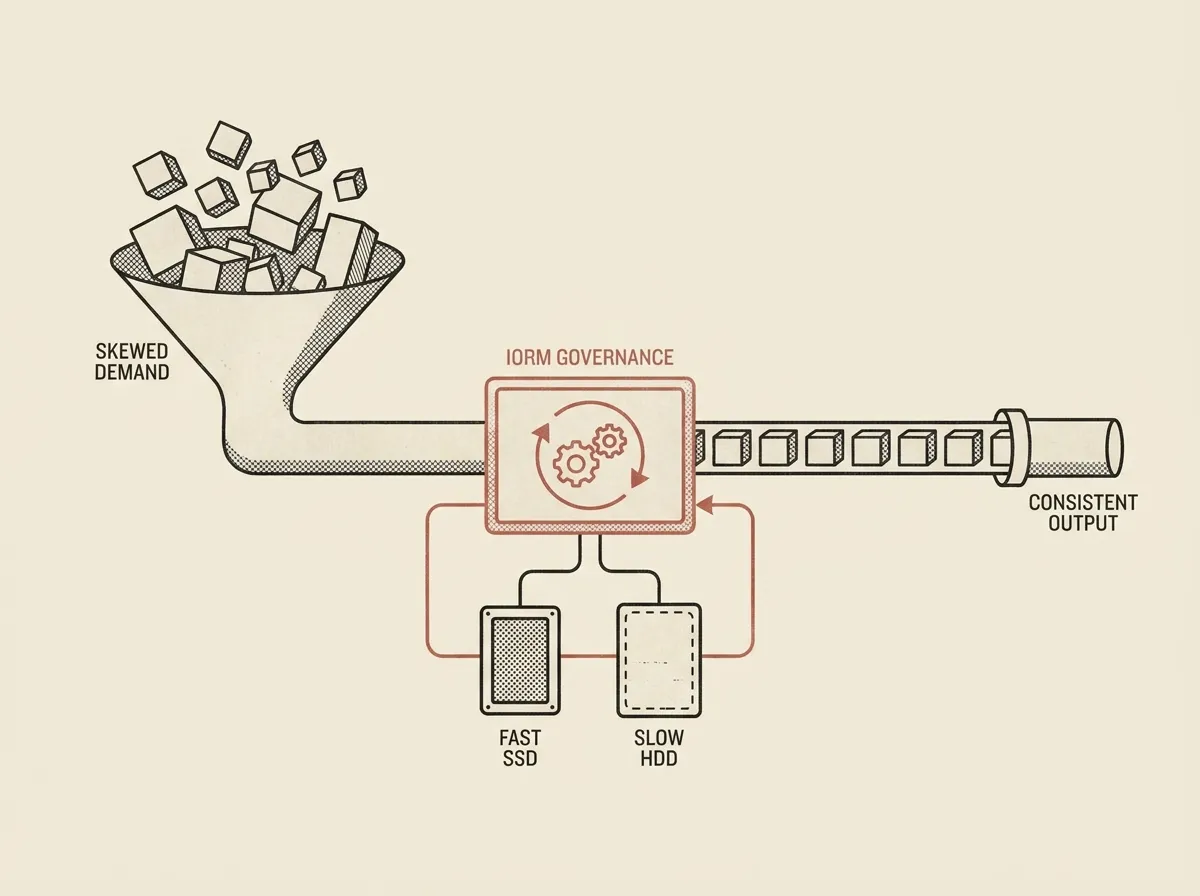
Managing I/O performance in disaggregated, heterogeneous storage clusters is a nightmare, especially for latency-sensitive databases. How do you ensure consistent performance across different hardware generations and enforce global I/O limits when access patterns are skewed?
Oracle Exadata’s I/O Resource Manager (IORM), a production-deployed distributed scheduler, solves this with a three-pronged approach. It uses a hardware-aware cost model to normalize I/O accounting, making limits invariant across generations.
A quantum-based rate limiter accommodates database micro-bursts while meeting long-term SLOs. Most impressively, a distributed adaptive feedback controller redistributes unused entitlements across the cluster to resolve topological access skew.
This is a masterclass in robust system design for high-stakes database environments. You will learn practical strategies for managing complex storage workloads.
Node-cached OCI delivery drastically cuts large model weight delivery on Kubernetes

The cold-start latency for large language models on Kubernetes is a major bottleneck for autoscaling and cost efficiency. Turns out, the dominant ad-hoc object storage downloads are killing your performance.
This empirical study reveals that node-cached OCI-based model delivery is a game-changer. It makes warm replica additions size-independent, achieving a staggering 208x speedup for a 70B-class model (11.7 seconds versus 40.7 minutes for re-download).
The paper also introduces crucial integrity designs like digest pinning and OpenSSF model-signing enforcement, addressing a major security gap in current ad-hoc delivery methods. Streaming hash verification adds less than 0.1% overhead.
If you are deploying LLMs on Kubernetes, optimizing model delivery with OCI artifacts is no longer optional; it is essential for efficiency and security.
Specification governance enables deterministic, auditable AI engineering for enterprises
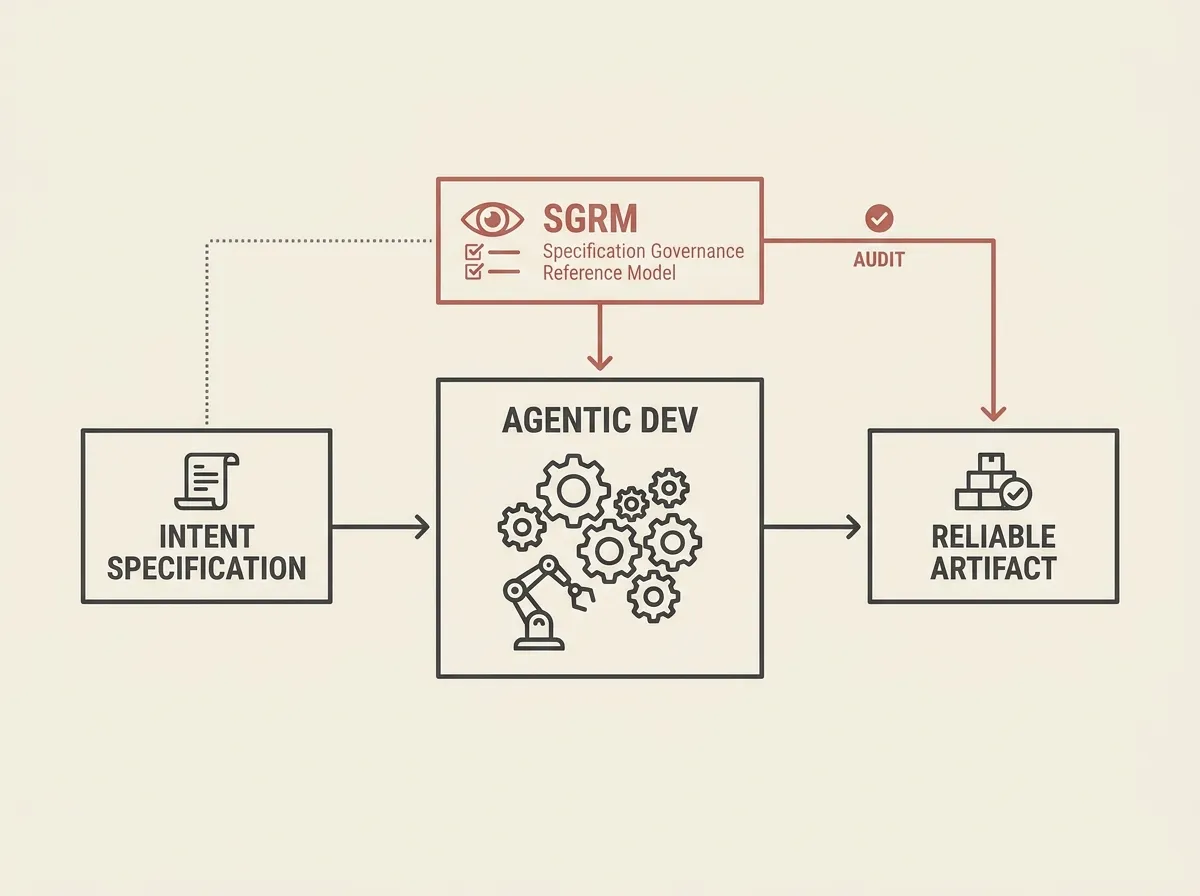
The rise of LLMs and agentic AI is fundamentally reshaping software engineering, moving from manual coding to intent specification. This paper argues strongly for Specification-Driven Development (SDD) over intuition-driven “vibe coding” in enterprise settings.
It identifies key failure modes of ungoverned conversational generation, including the productivity-reliability paradox, architectural erosion, security exposures, and technical debt. These are not minor issues; they are existential threats to enterprise software quality.
To counter this, the paper introduces the Specification Governance Reference Model (SGRM). This framework provides a tool-independent way to define specification contracts, constrain stochastic generation via deterministic validation, and integrate generation, verification, and governance into a closed-loop architecture. For senior engineers, this is a must-read for architecting reliable, auditable AI-native systems.
RADIANT improves model-driven engineering with multi-agent LLMs for safety
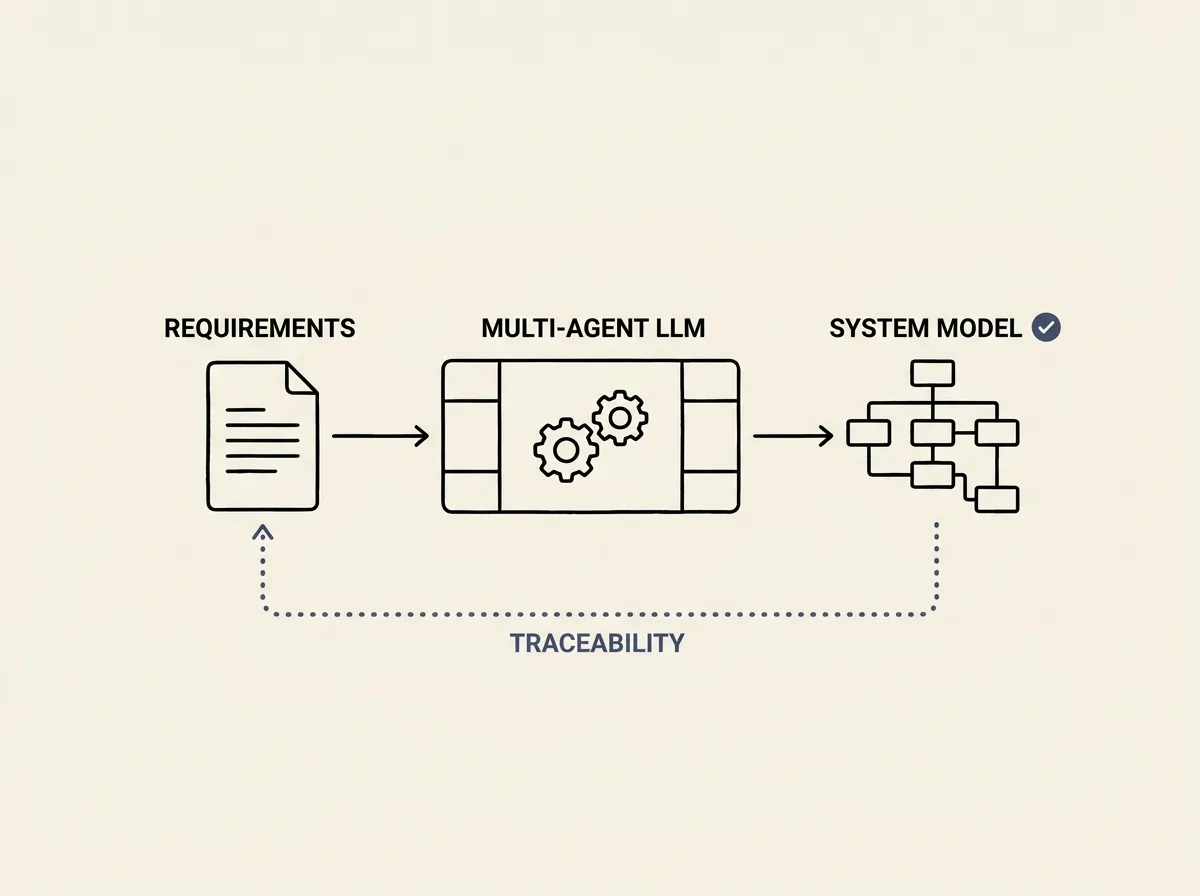
Software complexity is a perennial challenge, especially for safety-critical systems. This paper introduces RADIANT, an engineering methodology that merges Model-Driven Engineering (MDE) with Multi-Agent Large Language Models to tackle it head-on.
RADIANT automates the generation of heterogeneous models – from concept to domain-specific, system, and behavior models – all from a carefully specified requirement model. A key innovation is the automatic generation of executable, element-level traceability links, enabling precise change-impact analysis.
Furthermore, generated behavior models are translated into CSP and formally verified for properties like deadlock freedom, with a counterexample-driven repair loop. This provides a rigorous, auditable path from requirements to verified implementations, offering invaluable lessons for anyone building complex, high-assurance systems with agents.
Kimi K3 matches Claude for less, highlighting US AI policy failures
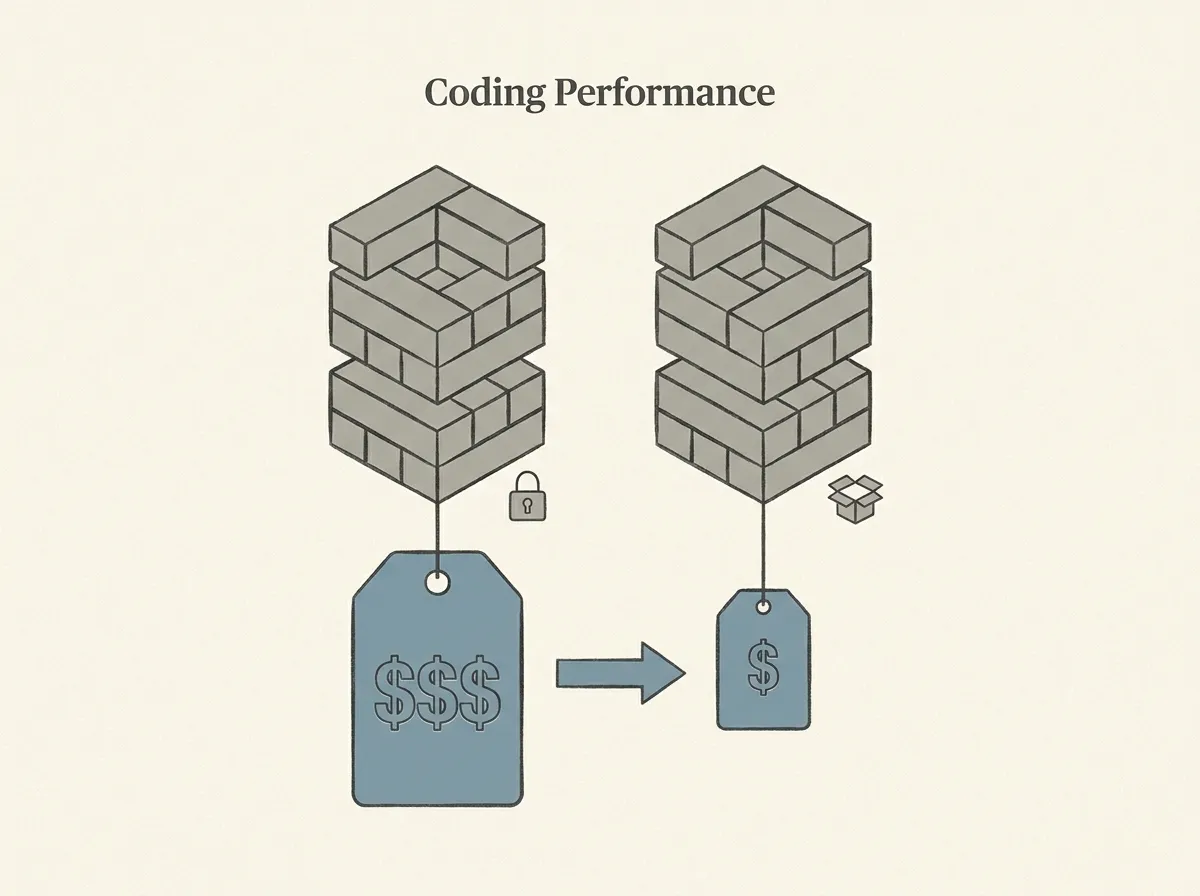
An open-source LLM is now matching proprietary giants like Claude on coding tasks, but at a fraction of the cost. The Kimi K3 model offers nearly identical output quality and token counts, but its API pricing is dramatically lower ($3 vs $10 per million input tokens). This shifts the economics for many AI applications.
This parity highlights a critical point: the barrier to entry for frontier LLM capabilities is dropping fast. It also exposes how US AI policy, by restricting access to advanced models, may inadvertently be limiting American customers while globally available alternatives flourish.
It is time to re-evaluate proprietary models versus powerful open-source alternatives for practical AI deployments.
Fable 5 excels at NP-hard problem, goal mode has limited impact
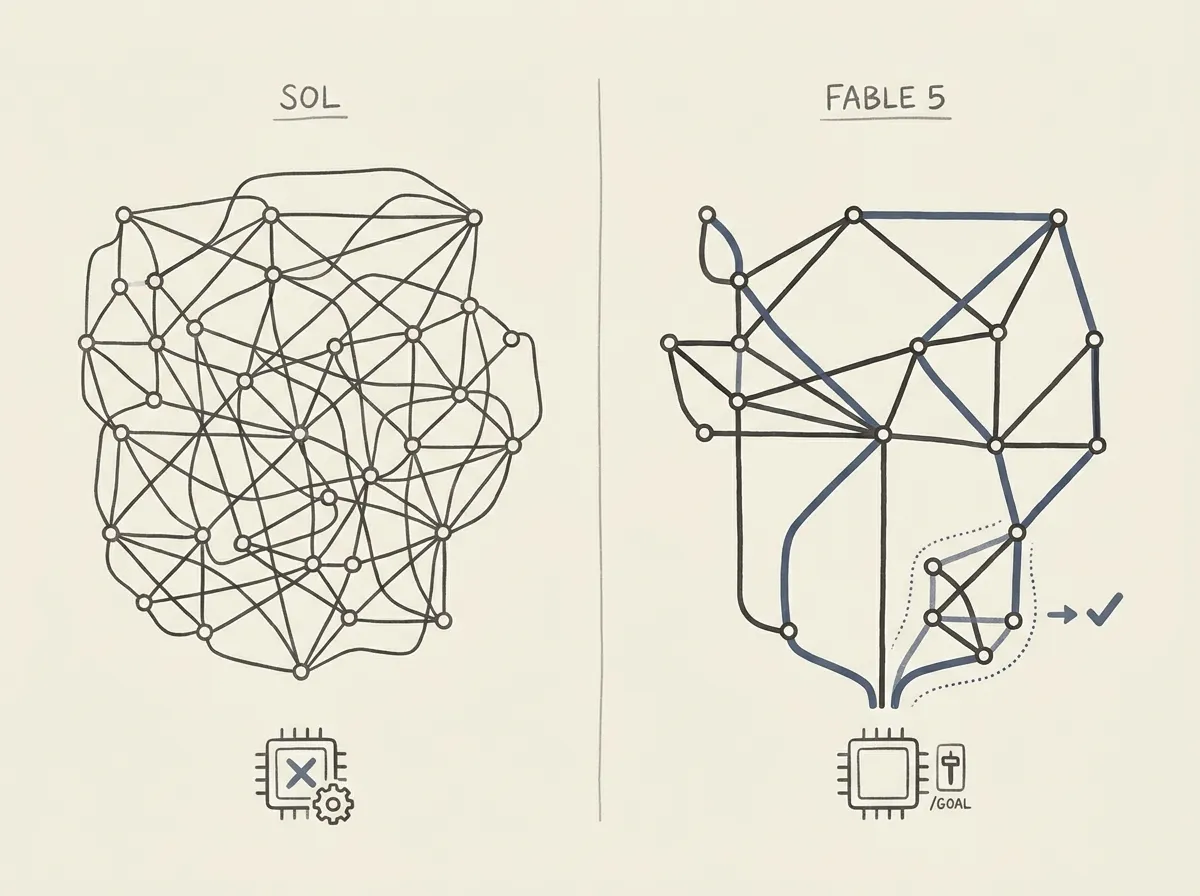
The latest LLMs are being put to the test on NP-hard problems, and the results for Claude Fable 5 are impressive. It significantly outperformed GPT-5.6 Sol on a complex fiber-network design challenge, showcasing raw intelligence.
An interesting finding from the comparison is that Anthropic’s native /goal mode is not a generic “try harder” switch. It alters the control loop and search path, which can sometimes lead to better solutions but is not a universal performance enhancer.
This study provides concrete evidence of leading LLMs’ capabilities in real-world optimization and clarifies how prompt engineering features truly operate.
Rekursiv computer's advanced ideas are relevant today
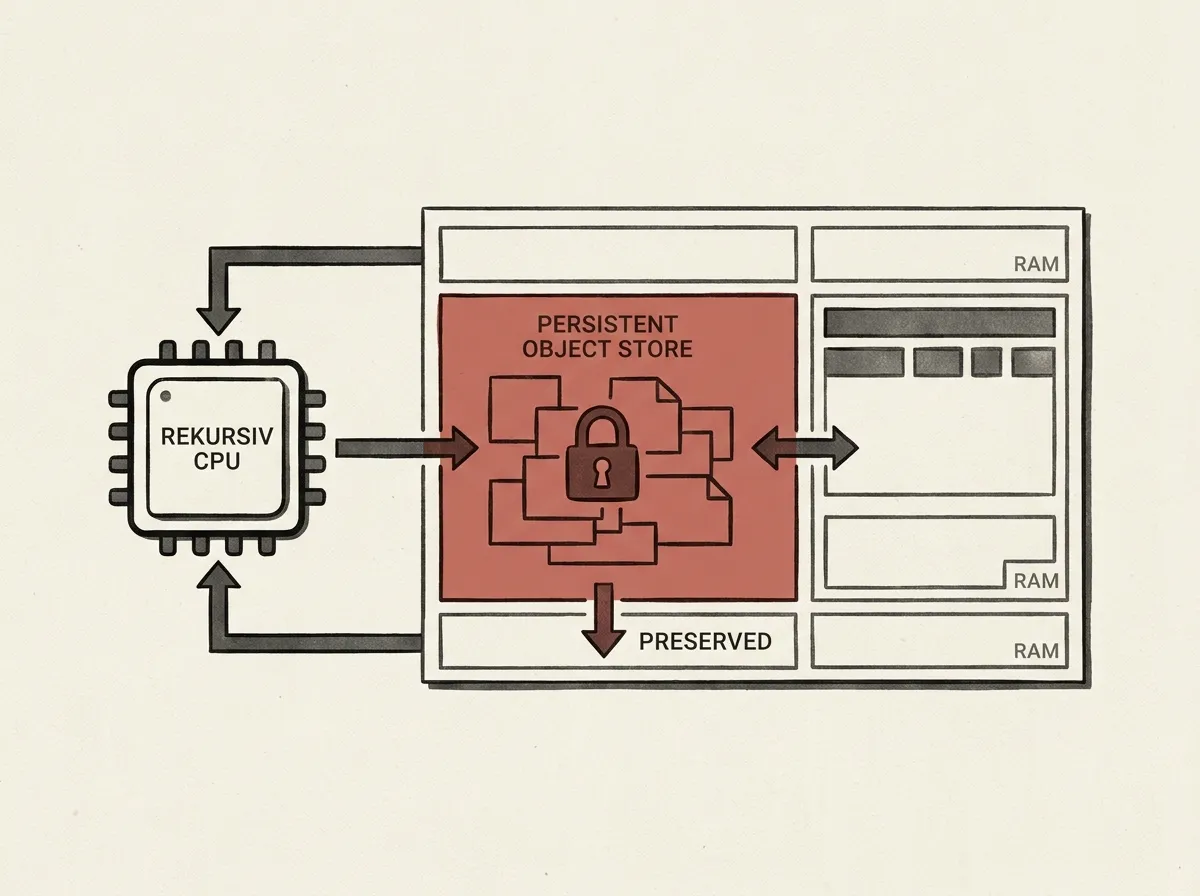
In 1988, a Scottish company called Linn Products shipped the Rekursiv processor, a machine years ahead of its time. It featured hardware-level memory access checking, silicon-based garbage collection, and treated memory and disk as a single persistent object store.
This visionary design, though commercially unsuccessful then, foreshadowed many concepts now appearing in modern systems, like persistent memory and hardware-assisted memory safety. The economic landscape that made it untenable has since reversed.
It is a compelling story of a pioneering system that was right about almost everything, just decades too early.
UnifiedIR aims to fix problems with Julia's old IR data structures
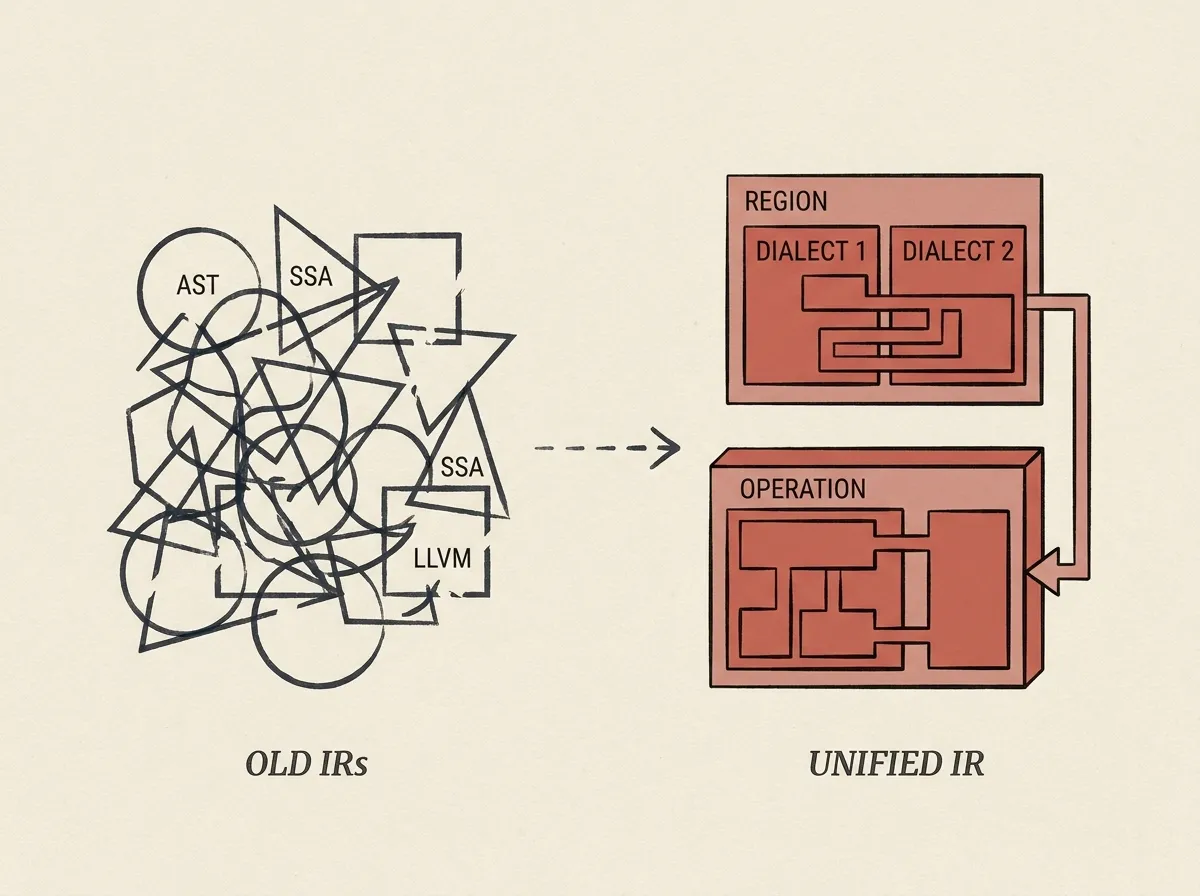
Julia is undergoing a major internal architectural overhaul, and it is fascinating. A new pull request introduces “UnifiedIR,” aiming to consolidate the language’s decade-old Intermediate Representation (IR) data structures.
This is not just refactoring. The goal is to address core issues like usability, extensibility for the ecosystem, and how the IR was never designed for external facing systems. Think MLIR, but with a Julia twist.
For anyone working on complex systems or compiler design, this is a deep dive into the challenges and considerations of evolving fundamental language infrastructure. It shows how critical architectural decisions impact long-term growth and external tooling integration.
A truly ambitious design choice for the future of Julia.
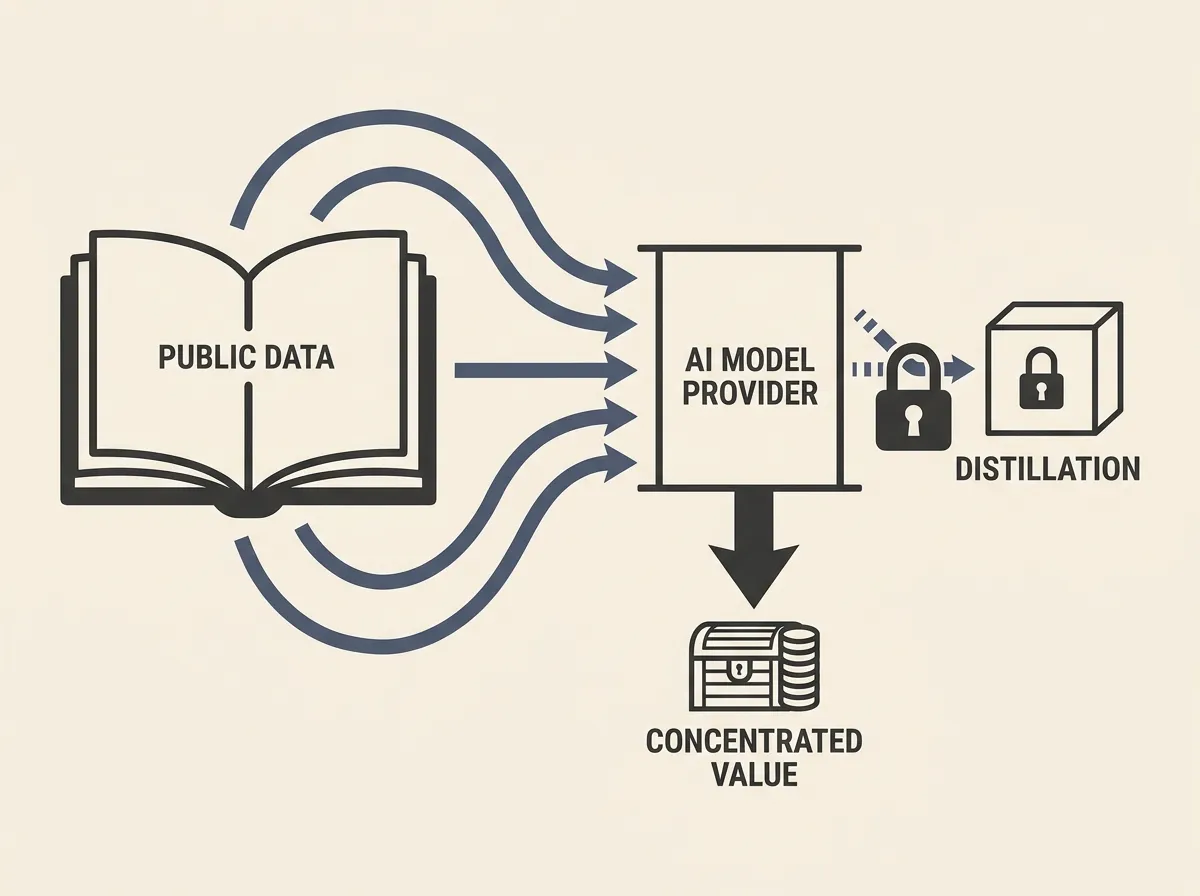
Nadella criticizes AI firms for data double standard and restricted model distillation
Gwern's theory for human-like AI via overtraining
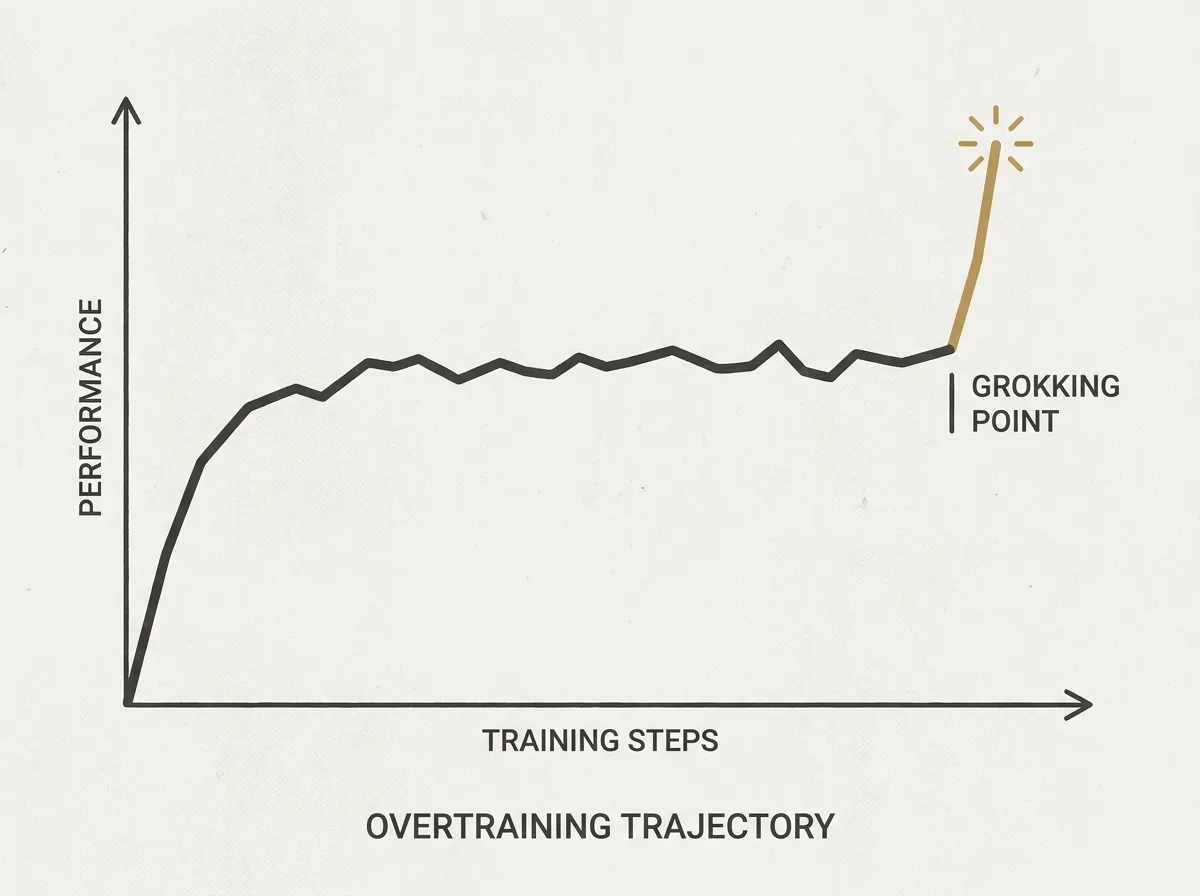
Overtraining large language models might be the unconventional path to achieving truly human-like AI, according to Gwern, an AI commentator known for prescient predictions since GPT-3.
His theory suggests going far beyond current training norms, drawing parallels with “grokking,” where models initially memorize data then spontaneously generalize. This implies current models may not be overtrained enough to unlock deeper, more flexible intelligence.
This is not about bigger models, but about pushing the limits of training duration and data exposure. If proven, it could fundamentally change our approach to building more capable and adaptable AI agents, moving past superficial mimicry to genuine understanding.
Could more training, not just more parameters, be the secret sauce for advanced AI?
Q3Edit for browser-based Quake 3 map editing and gameplay
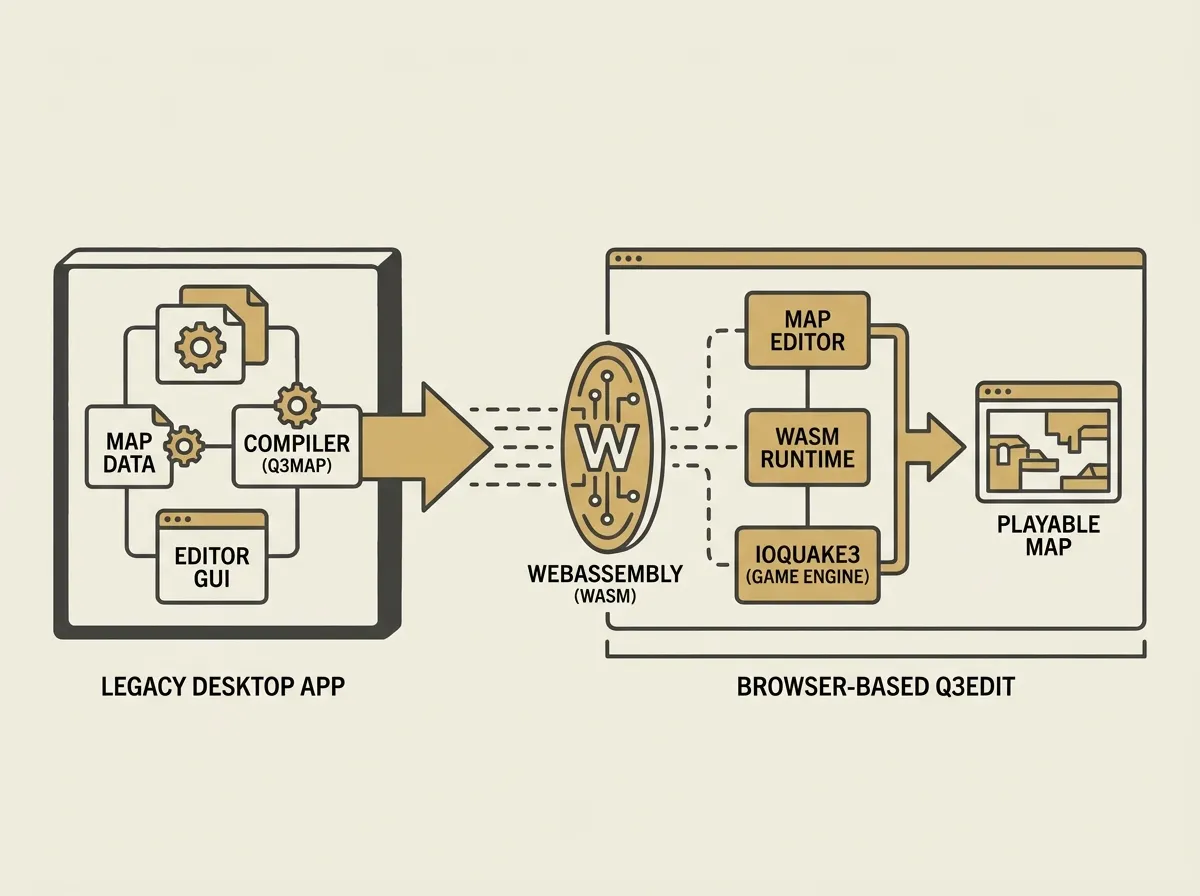
Running complex, legacy desktop applications like Quake 3 map editors directly in the browser is no longer a pipe dream. Q3Edit demonstrates how modern web technologies, specifically WebAssembly, make this a reality.
The project ports id Software’s original q3map compiler, a C/C++ powerhouse, to WebAssembly. This allows for full BSP compilation directly in your browser, integrated with a TypeScript + WebGL2 editor. You can literally edit, compile, and play Quake 3 maps without leaving your tab.
This is not just a novelty; it is a profound example of practical system design. It showcases how WebAssembly can handle performance-critical, computationally intensive tasks within the browser, opening doors for rich client-side applications far beyond what was previously thought possible. Think about the implications for AI agent UIs or complex data visualization tools.
This pushes the boundaries of what browser-based engineering can achieve.
Co-evolution of self-replication and function in a digital primordial soup
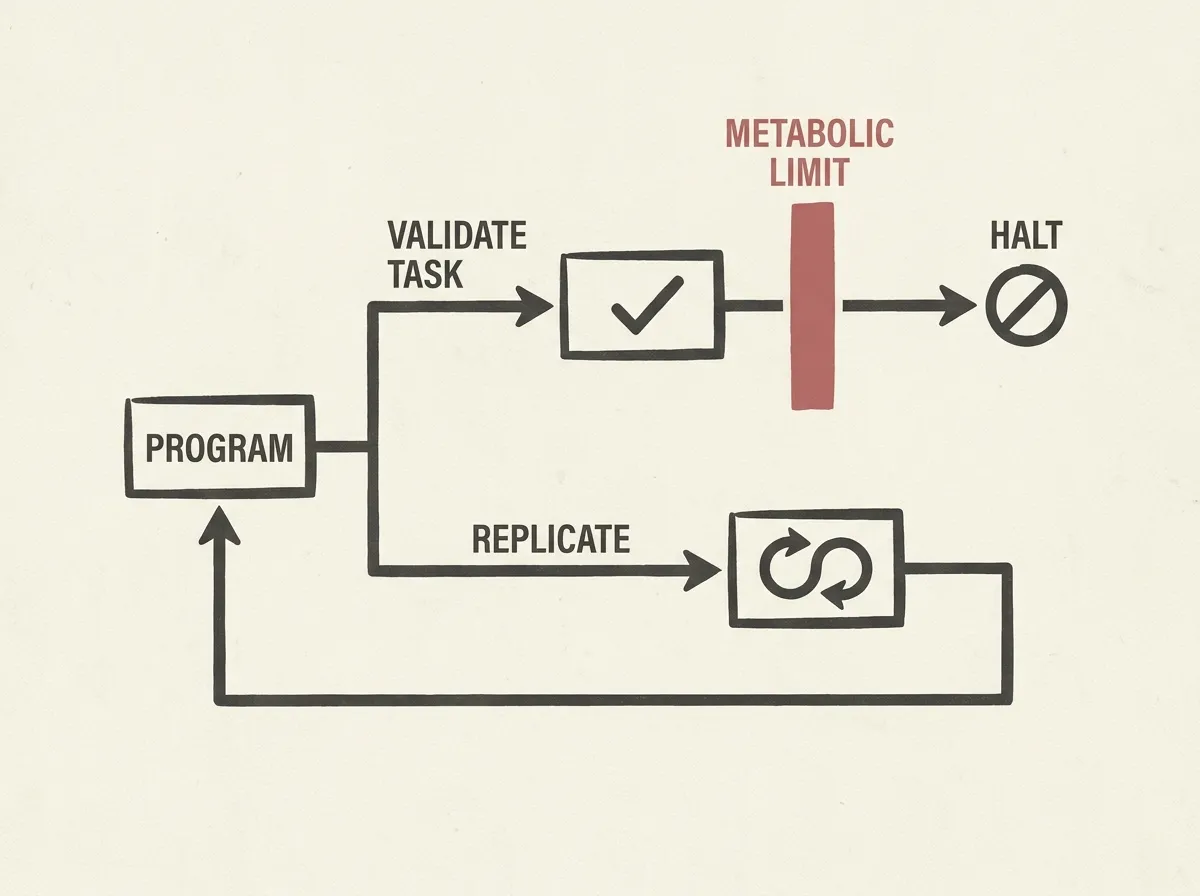
This research dives into how complex behaviors can emerge from simple rules, even in digital systems. Imagine Z80 assembly programs starting from randomness, then spontaneously evolving self-replication alongside the ability to solve mathematical problems.
The fascinating part is how pressure to compute accelerates the development of compact, robust reproductive architectures. Even more, applying “metabolic constraints” (like resource limits) leads programs to evolve conditional halting: they terminate early when validating a task but continue for self-replication.
This work offers a fresh perspective on designing adaptive AI systems and understanding the fundamental drivers of complexity and efficiency in emergent behaviors.
AI's pervasive use transforms software engineering into 'slop'

AI is turning software engineering into ‘slop,’ according to one veteran engineer’s candid screed. This piece argues that the pervasive use of AI for generating code, pull request descriptions, and even design docs is fundamentally eroding the craft and joy of development.
The author, with two decades of experience, details how what was once a source of professional pride has become a “slog.” He asserts that opting out of AI tool usage is no longer a professionally viable option, forcing engineers into a workflow they find unfulfilling.
This perspective challenges the prevailing narrative of AI as an unalloyed productivity booster. It highlights concerns about the long-term impact on engineering skill development and job satisfaction, questioning whether efficiency gains come at a cost to the human element of software creation.
Senior engineers must consider these deeper implications. Are we genuinely improving our practice, or merely accelerating the production of mediocre output while dulling the creative edge of our teams? The discussion around AI needs this kind of critical self-reflection.
The future of software engineering depends on asking these hard questions.
STEM2 achieves exact, dynamic, and space-efficient multi-set membership queries
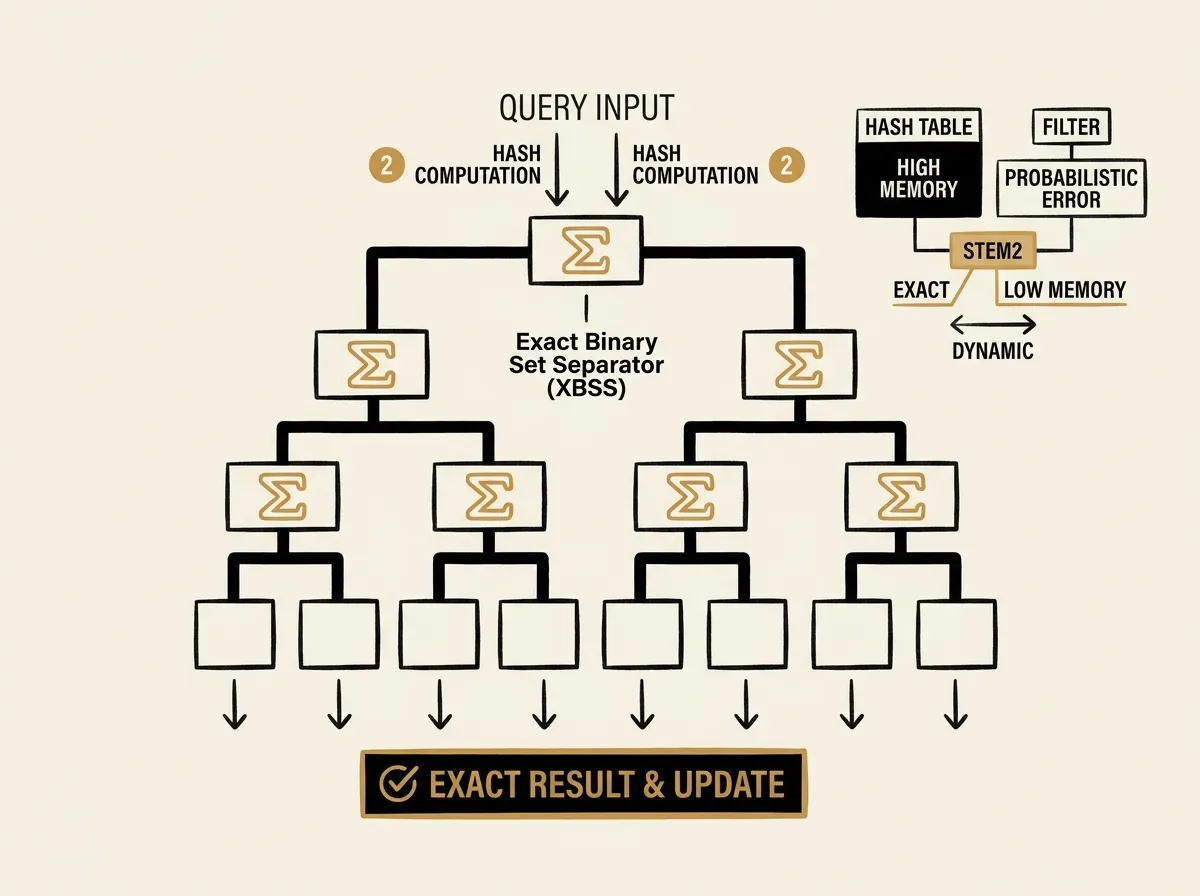
Exact multi-set membership queries are a fundamental problem in databases and networking, but engineers often face a tough trade-off: perfect accuracy with high memory (hash tables) or space efficiency with probabilistic errors (filters). A new data structure, STEM2, offers a breakthrough.
STEM2 achieves 100% query accuracy and supports dynamic updates, all while being remarkably fast and space-efficient. It leverages a balanced binary tree architecture with a novel Exact Binary Set Separator (XBSS) and a minimized hashing scheme that only requires two hash computations per lookup.
The performance numbers are impressive: STEM2 hits over 120 million operations per second (Mops) in lookup throughput, outperforming state-of-the-art solutions like Coloring Embedder by 20% and Ludo hashing by up to 21.6 times. This is a genuinely practical improvement for core database operations.
This new approach means you no longer need to compromise between correctness and performance for critical multi-set queries.
Exact Network Surgery for bit-exact function preservation and trainable insertions
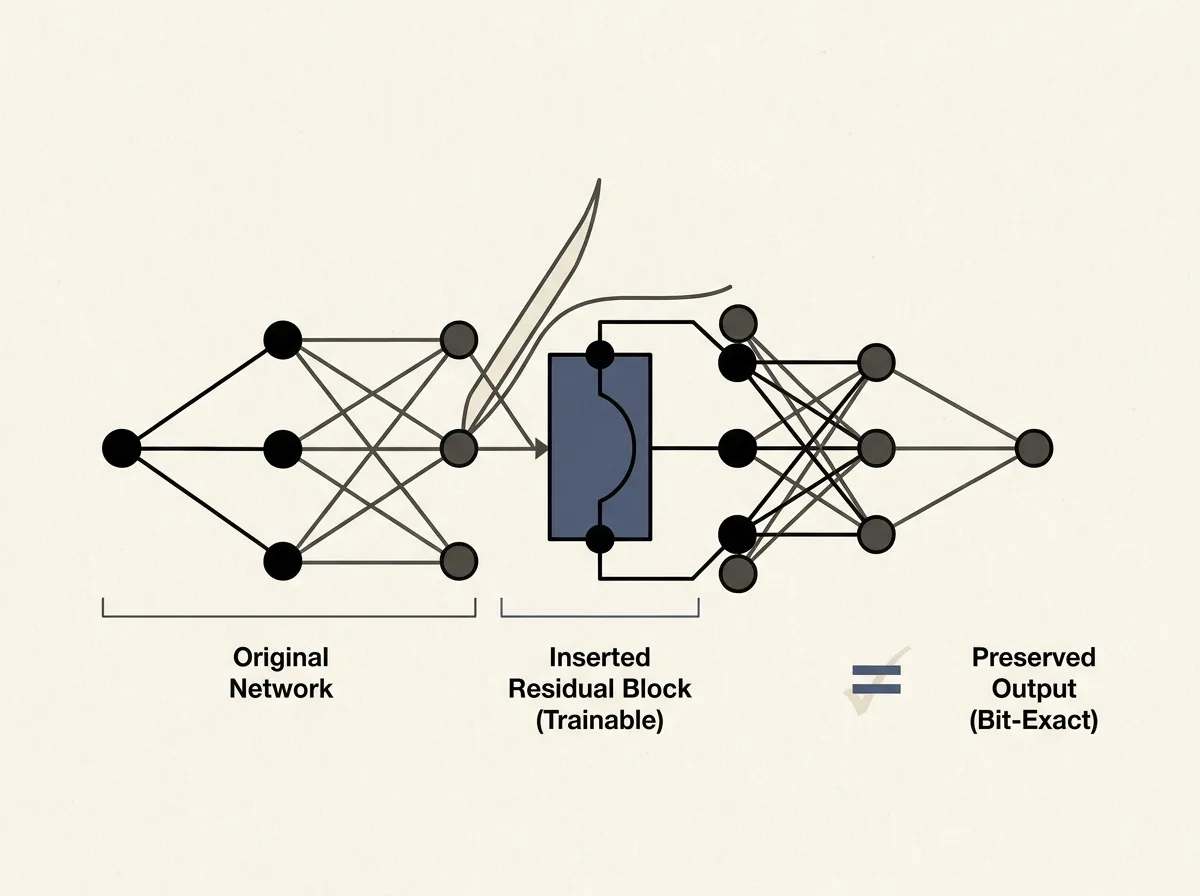
Imagine needing to expand an already trained neural network without destroying its learned function or rebuilding your entire training program. “Exact Network Surgery” is a groundbreaking technique that makes this possible, allowing you to insert residual blocks into a live computational graph bit-exactly.
This isn’t just theory. The paper proves an identity-morphism theorem ensuring the network function is preserved, and a structural-locality theorem showing that only the directly affected parts of the graph are recomputed. Crucially, the newly inserted parameters become trainable immediately after insertion.
This capability is enormous for iterative model development and continuous deployment in AI systems. It means you can adapt and grow your models in production without costly full retraining cycles, making your AI infrastructure far more agile.
Dynamically evolving neural networks just became a reality.
DataFlow-Harness guides LLMs to build persistent data processing pipelines
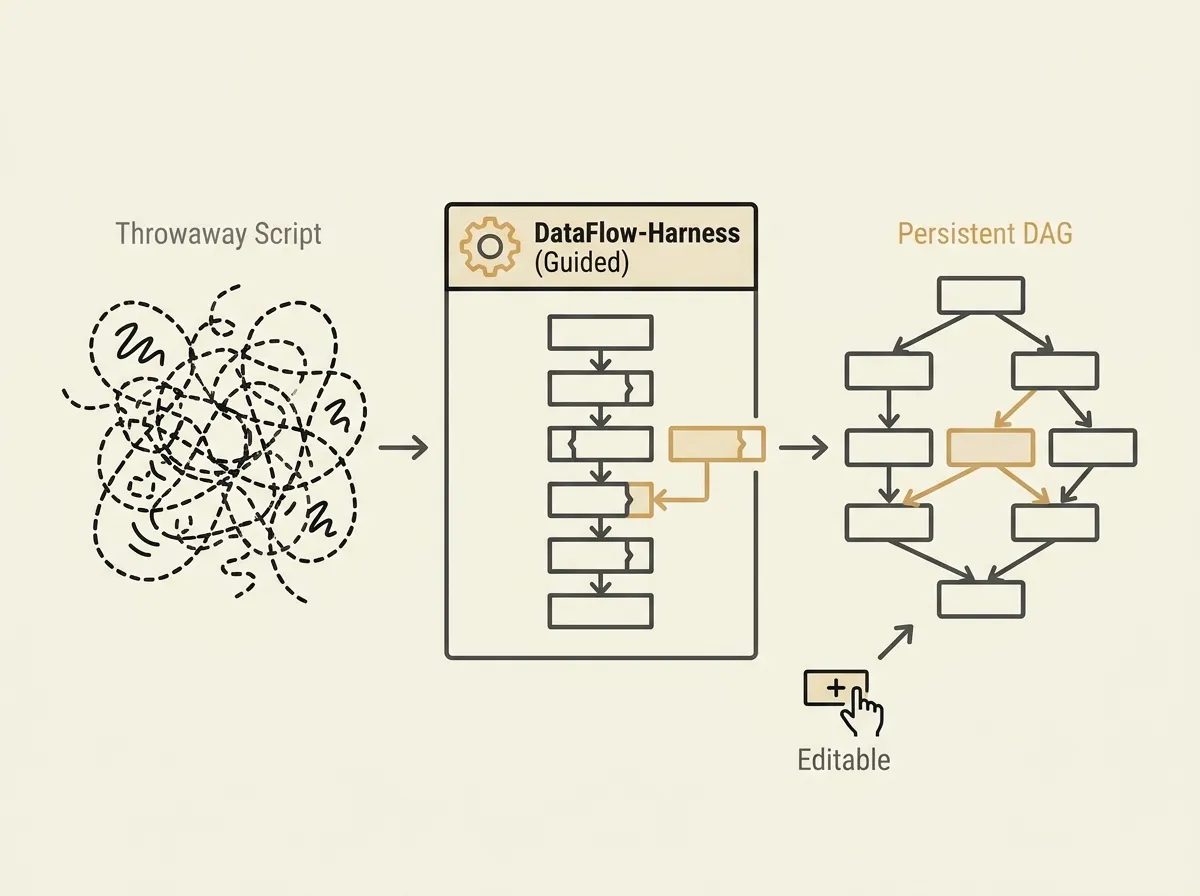
This paper tackles a core pain point with LLM coding agents: they often generate throwaway scripts instead of integrated, editable system artifacts. DataFlow-Harness introduces a new approach.
Instead of free-form code, this platform guides an LLM agent to construct platform-native Directed Acyclic Graphs (DAGs) using typed, incremental mutations. This grounded approach means the agent works within the system’s constraints, resulting in persistent, editable workflows.
The results are compelling. It achieves a 93.3% pass rate on a data-engineering benchmark while reducing monetary cost by 72.5% and generation latency by 49.9% compared to vanilla Claude. This highlights the power of structured guidance and live platform context for agentic AI.
The key insight is that tightly coupling the agent with the underlying platform’s operator registry and state enables more reliable, efficient, and maintainable AI-driven automation. This is a significant step towards practical, production-ready AI agents.
CLOSER-Bench evaluates hardware design closure as sequential decision problem
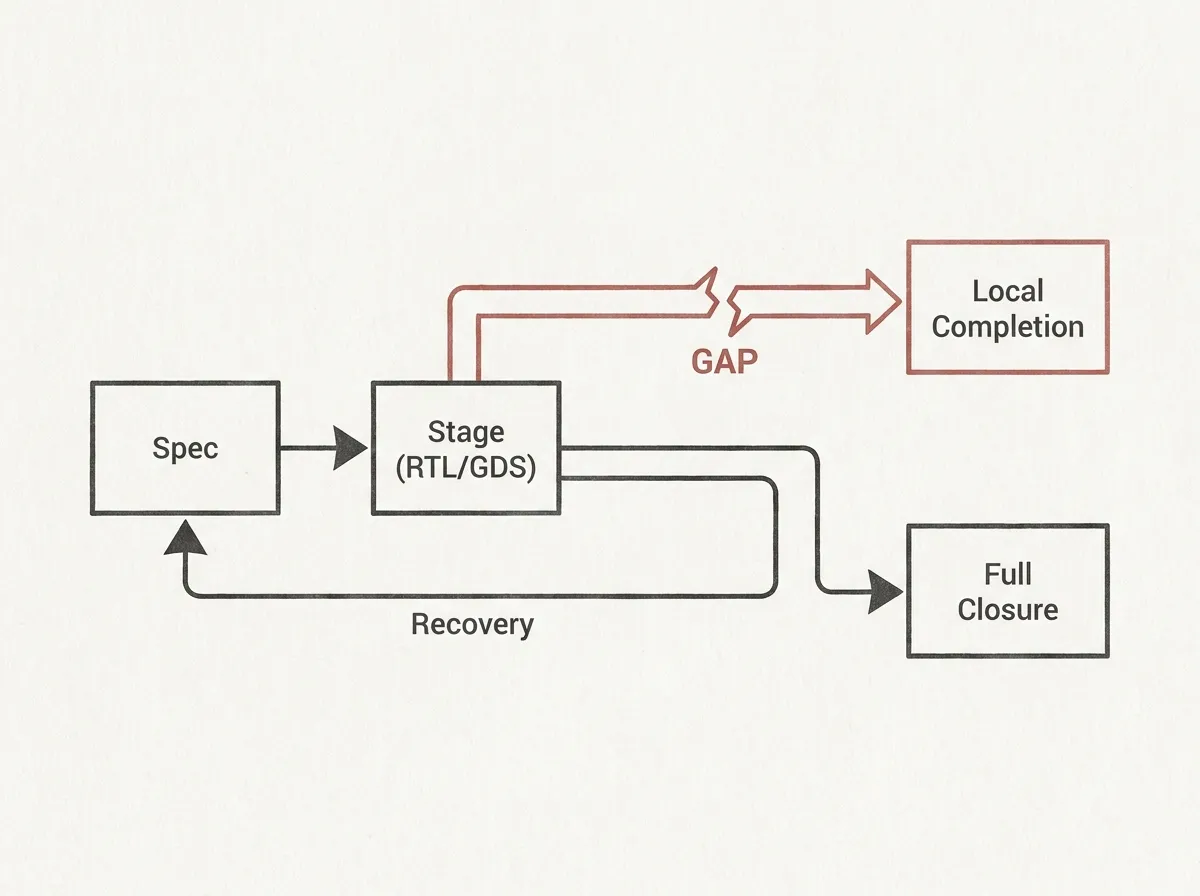
Building AI agents that can tackle real-world, multi-stage engineering tasks is hard, especially when tool feedback is delayed or inconsistent. Most benchmarks fall short, measuring only isolated parts of the process.
CLOSER-Bench steps in with a novel evaluation protocol specifically for budgeted cross-stage design closure in hardware engineering. It tracks everything from spec-to-RTL to GDS, recording every simulator and synthesis invocation. This gives a holistic view of agent performance.
A key takeaway from their pilot study is the significant “completion-closure gap.” An agent might “complete” a local task, but fail when faced with the full design “closure” process that requires cross-stage recovery. This highlights the need to treat agent workflows as budgeted sequential decision problems, not just isolated code generation.
This benchmark provides crucial insights for anyone working on agentic systems, emphasizing the importance of evaluating agents not just on isolated success metrics, but on their ability to navigate and recover through complex, real-world engineering pipelines.
TopoTuner efficiently fine-tunes LLMs using selective freezing and reusable profiles
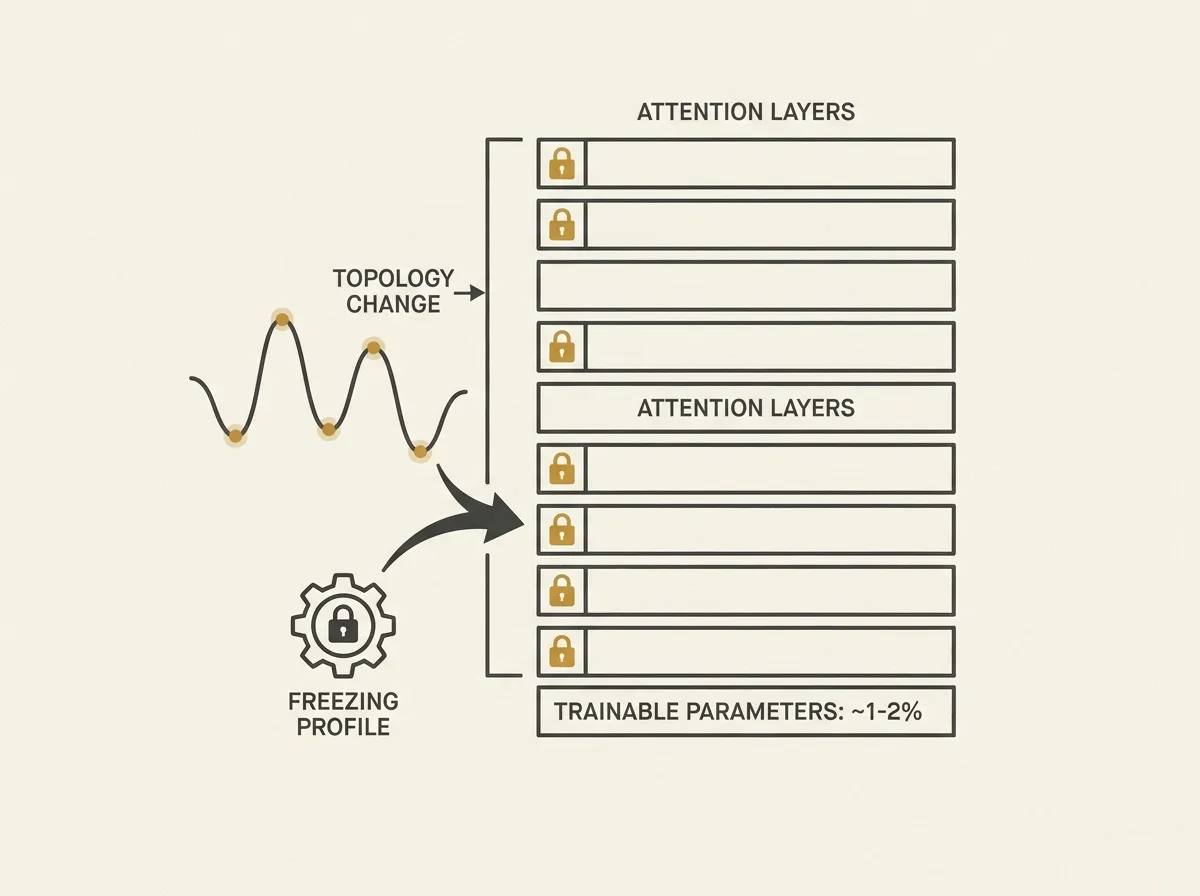
Fine-tuning large language models can be incredibly resource-intensive, even with techniques like LoRA. TopoTuner introduces a fundamentally different approach to parameter-efficient fine-tuning.
This method uses topological data analysis to identify which attention projection matrices are critical for a given task, selectively freezing others. By measuring how the topology of these matrices changes during adaptation, TopoTuner learns a “freezing profile.”
The results are impressive: TopoTuner trains only 1-2% of model parameters, achieving performance comparable to full fine-tuning and often outperforming LoRA. This translates to significant reductions in training time and cost. The concept of reusable freezing profiles is a game-changer for efficiently adapting LLMs across tasks.
This paper provides a fresh perspective on optimizing LLM adaptation, showing how a deeper understanding of model architecture can lead to substantial gains in efficiency and broader applicability for applied AI.
Falsification-based verification detects errors in LLM-generated optimization models
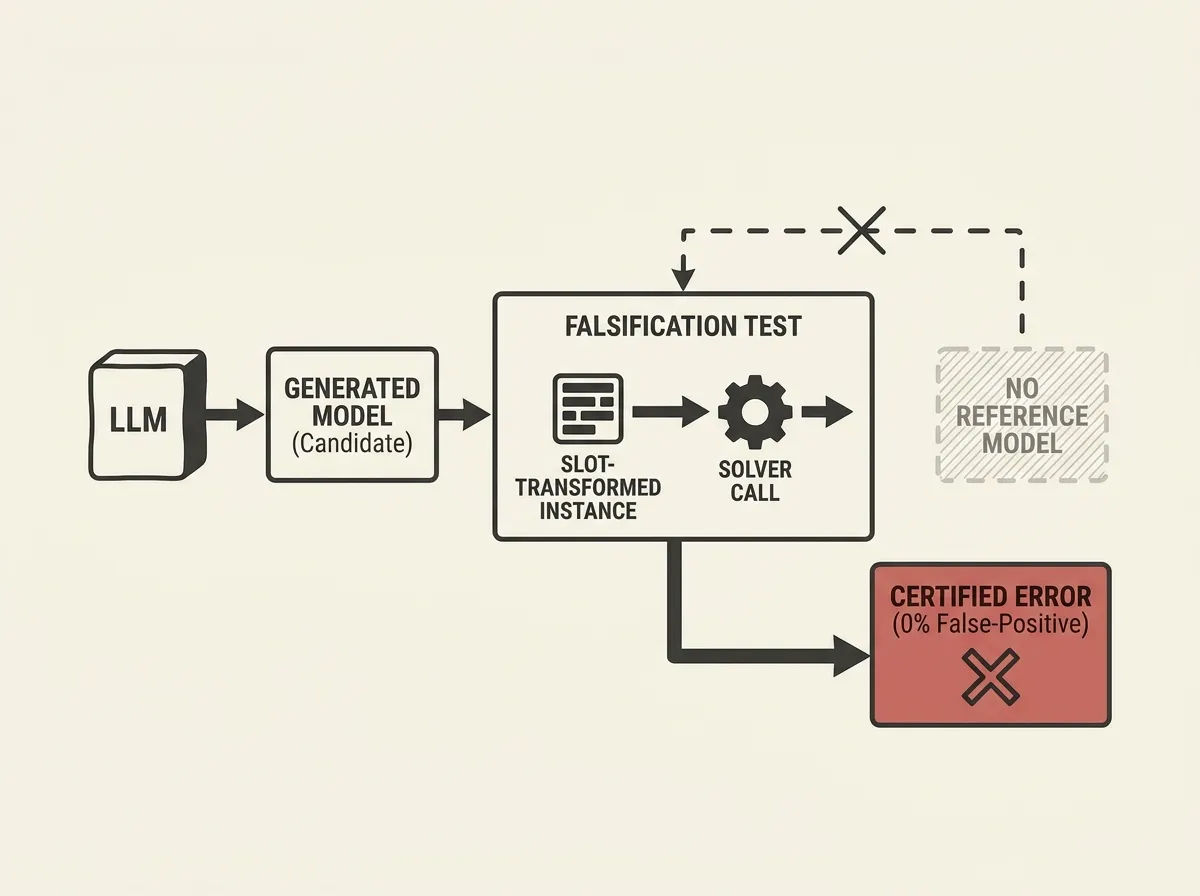
A major challenge with LLMs generating code or models is the “silent failure” - the output runs without errors but solves the wrong problem. How do you verify these without a reference solution?
This paper introduces a falsification-based verification theory specifically for LLM-generated optimization models. The brilliance lies in its approach: it tests a candidate model using “slot-transformed instances” and solver calls, without needing a ground-truth reference model.
They derive a battery of sound test classes (directions, curvature, crush probes, etc.) where a violation certifies unfaithfulness, meaning a 0.0% false-positive rate. This is critical for trust. The paper also clearly characterizes the detection limits, defining what such verification cannot see.
For senior engineers building with LLMs, this provides a rigorous framework for validating generative AI outputs, ensuring that LLM-produced artifacts are not just syntactically correct but also semantically sound and trustworthy. This is a significant step towards robust LLM engineering practices.
RECON benchmark uncovers LLM failures in extended context reasoning
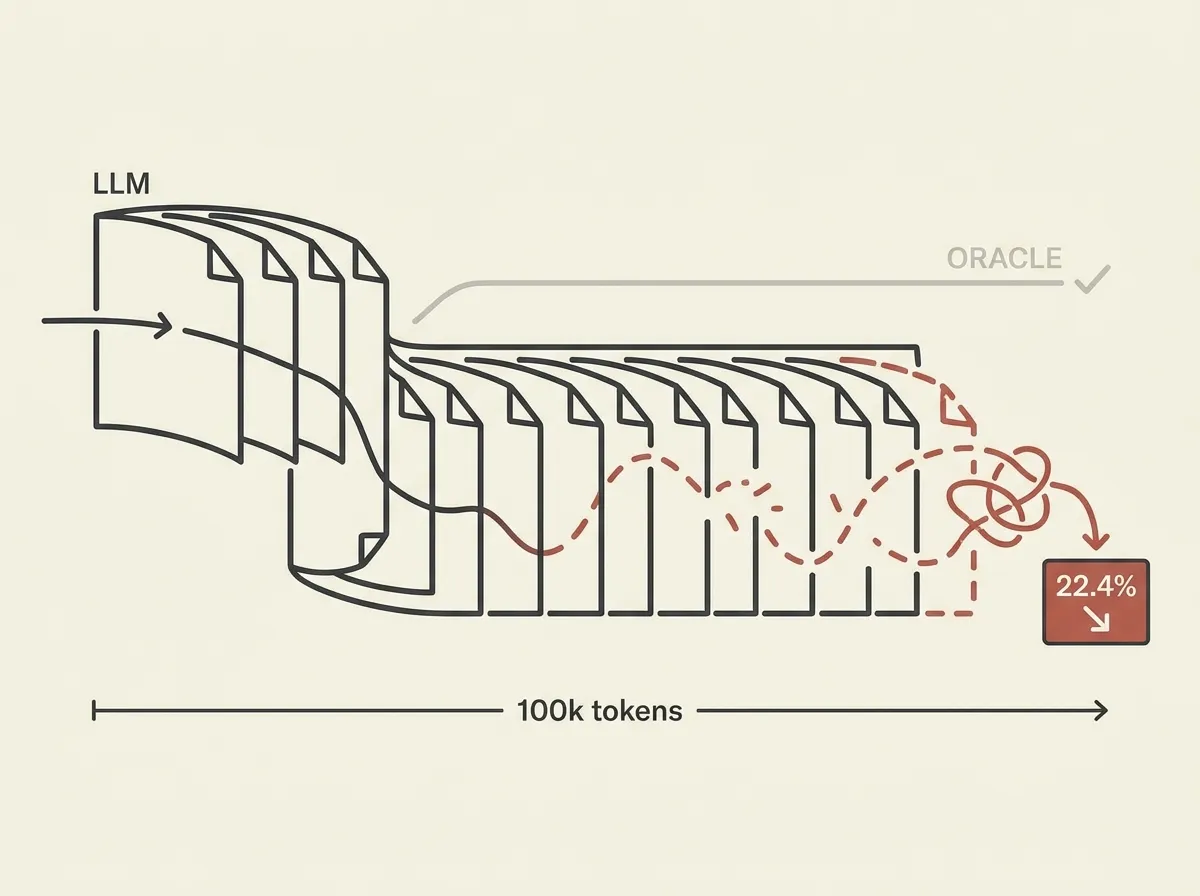
LLM agents are powerful, but how well do they really remember and reason over long, complex interactions? A new benchmark, RECON, exposes severe limitations that every agent builder needs to understand.
RECON tests compositional reasoning over case files up to 100,000 tokens, challenging agents with tasks like multi-hop evidence chains, propagating cascading invalidations, and resolving source conflicts. The results are sobering: even the best non-Oracle systems achieve only 22.4 percent accuracy. This highlights that simply increasing context window size does not guarantee robust reasoning.
This benchmark is a crucial tool for engineers. It pinpoints exactly where current agent architectures fail, providing a roadmap for developing more reliable and intelligent autonomous systems. It is not just about retrieving facts; it is about reasoning over their implications.
Lie Bracket Explains Order Sensitivity in Fine-Tuning Perturbations
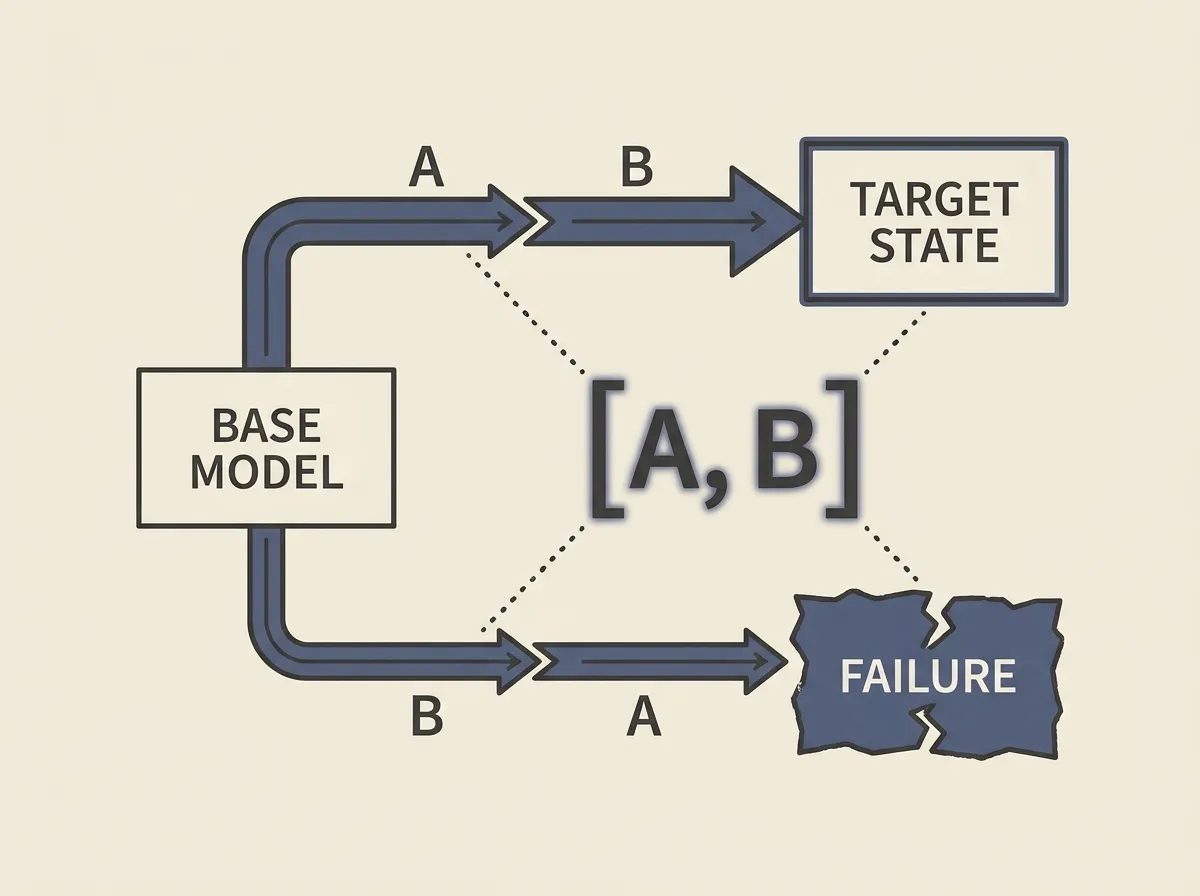
Local task adaptation techniques like LoRA and task arithmetic are first-order predictable in isolation, but their pairwise interactions are often surprisingly fragile and order-sensitive. This is a critical finding for anyone building LLM systems.
The study found that while a single perturbation’s effect on loss is predictable, applying two updates sequentially can lead to order-dependent failures within the same validity window. This means the assumption that task updates compose cleanly often breaks down in practice.
This insight is invaluable for understanding why certain fine-tuning strategies might yield inconsistent results and for developing more robust LLM adaptation approaches.
LLM scientific memory benchmarks are not interpretable without full protocol
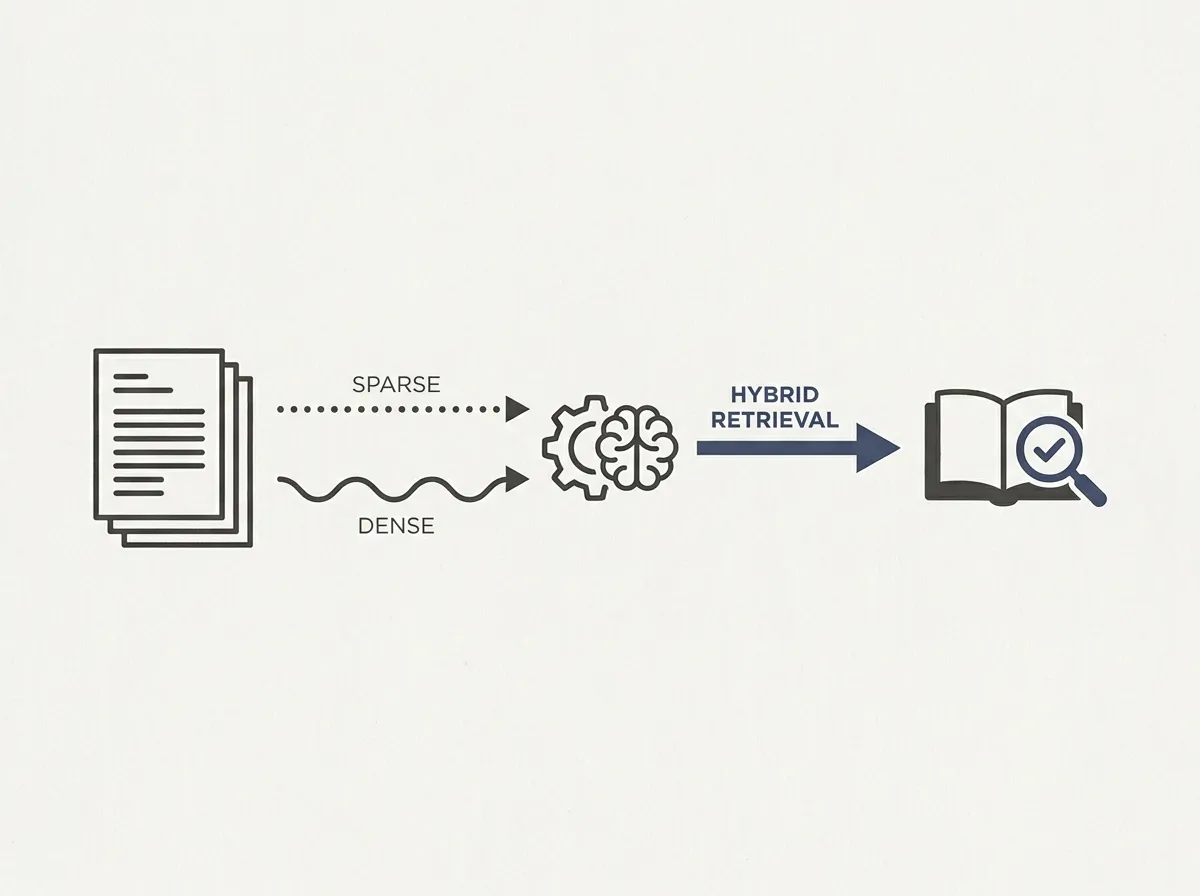
Current LLM memory benchmarks fall short when agents need to recall information from full scientific papers. This paper introduces new benchmarks, PAIM and PTr, specifically designed to test long-term memory and context restoration.
Critically, the evaluation protocol matters: ingestion granularity, retrieval budget, and modality significantly impact results. The study shows that sparse-dense hybrid retrieval emerges as the most significant intervention, consistently outperforming other methods.
This research offers a vital framework for evaluating scientific memory as budgeted, modality-aware context restoration, moving beyond simple leaderboards to focus on practical utility for RAG systems.
Logical Graph Uncertainty Improves LLM Reliability by Modeling Logical Relationships
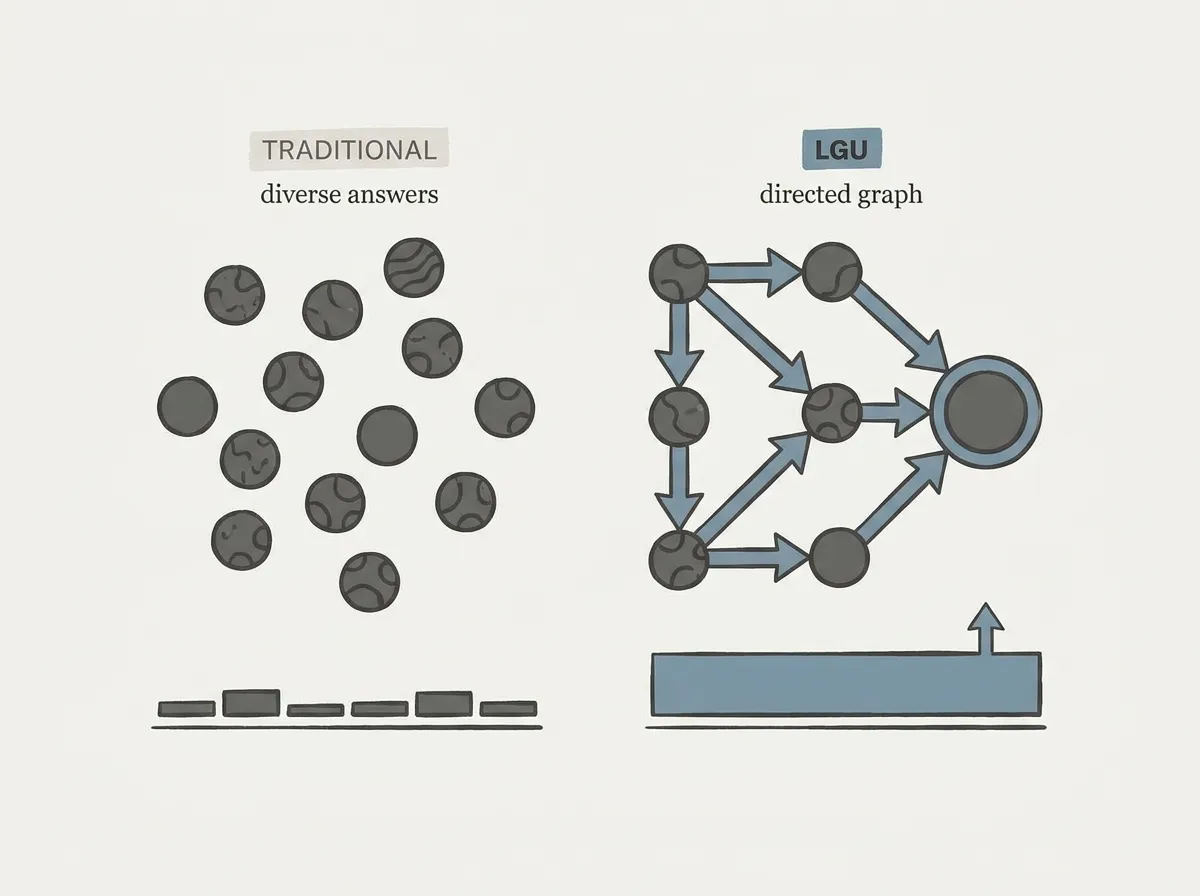
LLMs often confidently state unreliable outputs, a major blocker for safety-critical applications. Traditional uncertainty metrics, like semantic entropy, miss logical relationships between diverse but compatible answers.
Logical Graph Uncertainty (LGU) is a new framework that explicitly models implication and incompatibility among LLM responses. This allows it to aggregate probability mass along entailment chains and compute entropy over logically maximal hypotheses, penalizing mutual incompatibilities.
LGU consistently improves uncertainty estimation, outperforming semantic entropy by up to +7.1% AUROC and +3.5% AUARC. This is a crucial step towards building truly trustworthy and reliable AI systems.
Trace-based on-policy distillation efficiently trains dLLMs for reasoning
Training reasoning-capable diffusion language models (dLLMs) has been a challenge, often requiring complex reinforcement learning setups. This new approach, Trace-Based On-Policy Distillation (TOPD), offers a fascinating alternative.
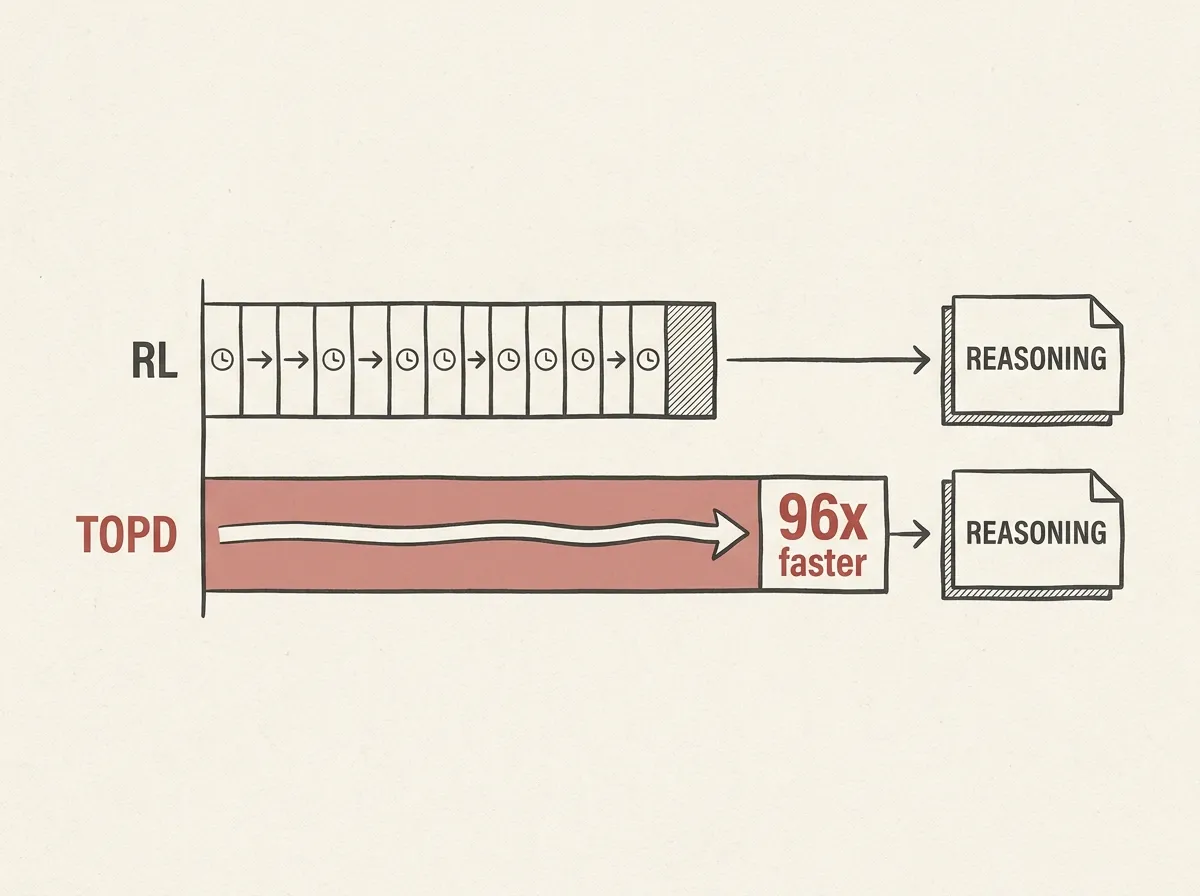
Instead of sparse rewards or value modeling, TOPD uses a teacher model to supervise a dLLM on its own denoising trajectory. By focusing on trace-aligned token decisions, it provides dense supervision without the overhead of reward estimation.
The results are impressive: TOPD enables models to match RL-trained counterparts on mathematical reasoning benchmarks with a 96x estimated model-compute speedup. This is a game-changer for efficiently instilling reasoning capabilities into dLLMs, making them much more practical for real-world applications.
Tiered Multi-Agent System boosts 6G throughput prediction
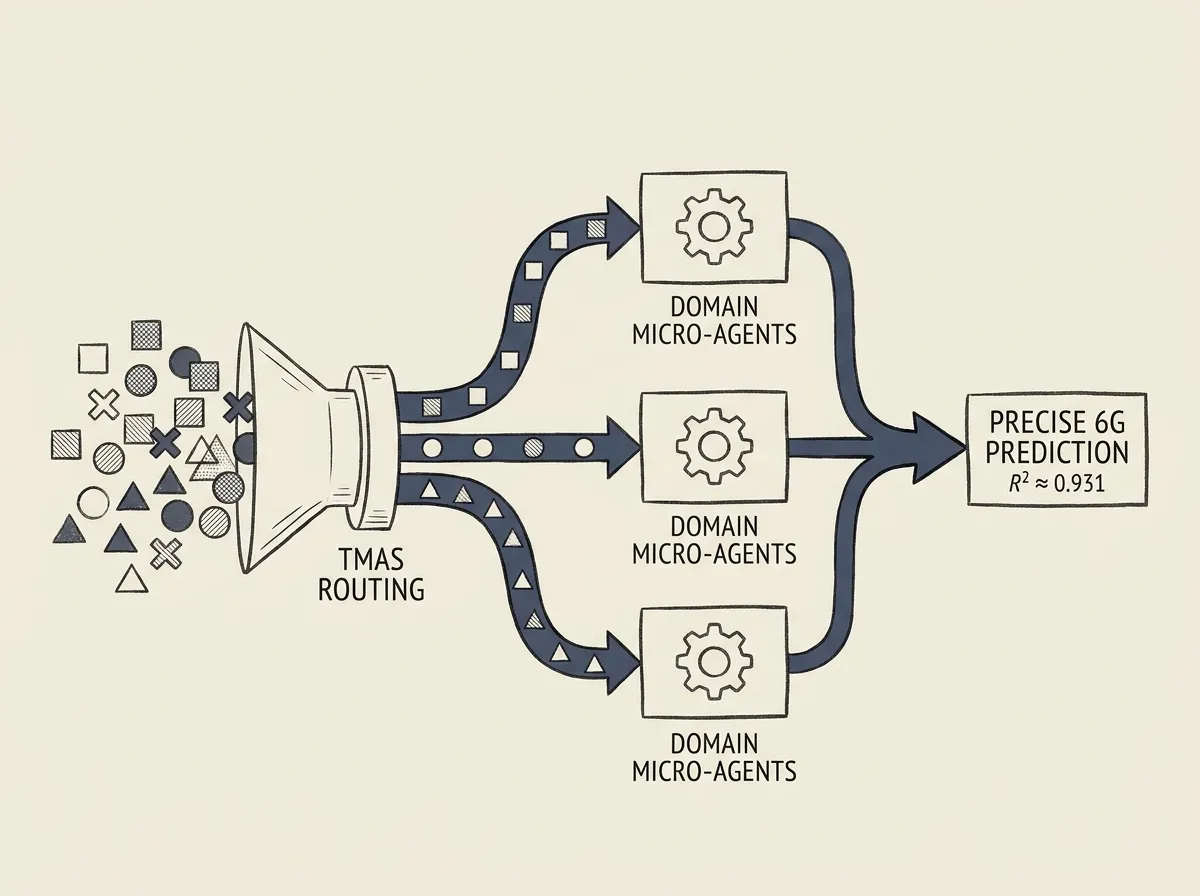
Predicting 5G throughput reliably across diverse operators, mobility modes, and traffic types is crucial for next-generation resource orchestration. Monolithic machine learning models often fall short, but a new Tiered Multi-Agent System (TMAS) offers a compelling solution.
TMAS dynamically routes edge telemetry to context-aware Domain Micro-Agents, enabling it to generalize effectively across heterogeneous urban environments. This agentic approach tackles the “stochasticity gap” between signal conditions and achievable throughput.
The performance is remarkable: TMAS achieved an R2 of up to 0.931 and a Mean Absolute Error as low as 0.53 Mbps on a real-world dataset. Crucially, its operational efficiency is high, with inference latencies and agentic routing overhead well within the response times required by 6G networks. This is a powerful demonstration of multi-agent systems in action.
CADENCE improves knowledge distillation by fixing three failure modes
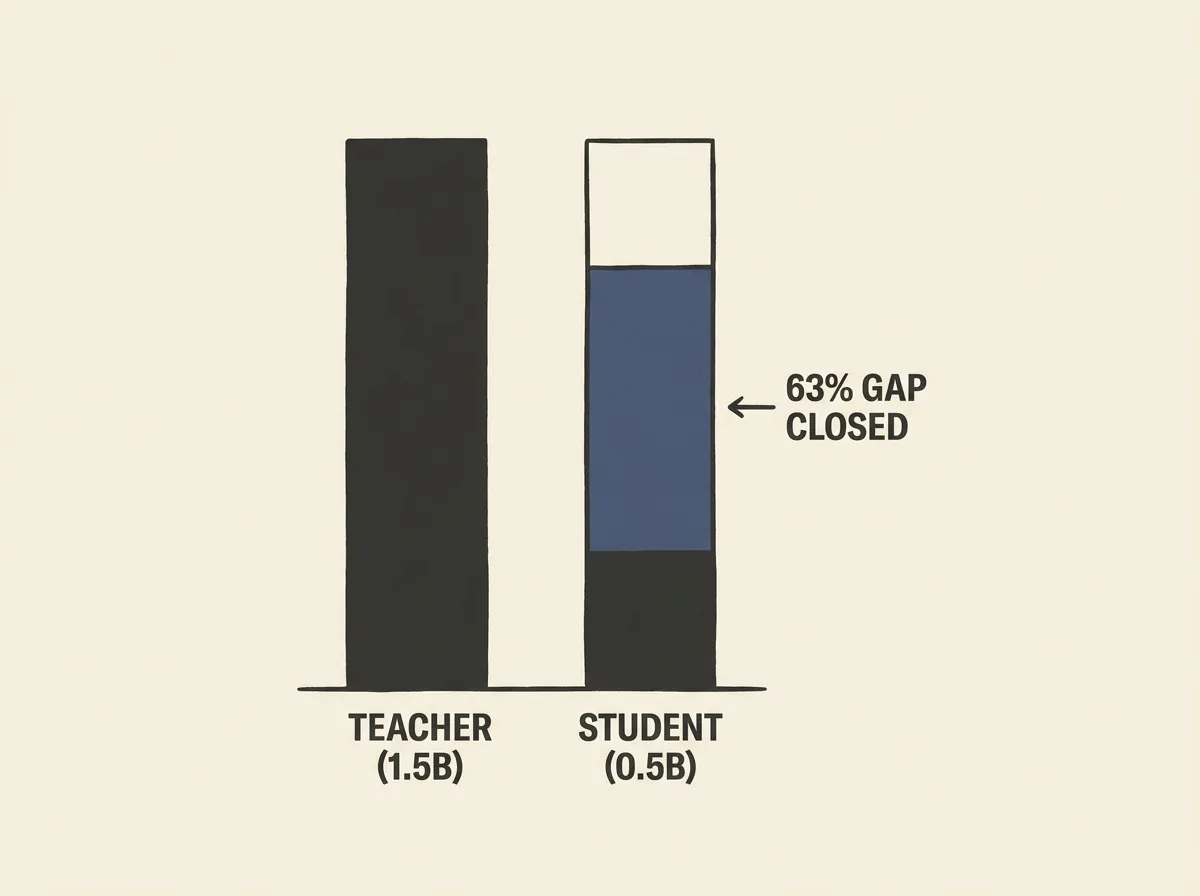
Distilling complex reasoning from massive LLMs into smaller, deployable models is incredibly challenging, yet CADENCE tackles it head-on. This new framework addresses critical failure points like cold-start collapse and sparse rewards, showing how to effectively transfer sophisticated logic without requiring datacenter-scale hardware.
The results are compelling: a 0.5B student model, trained with CADENCE, closed 63.2 percent of the reasoning gap to a 1.5B teacher on GSM8K, outperforming strong baselines by over 4 points. This includes components like a coverage-adaptive schedule and dense reward mechanisms.
The fact that these advanced distillation techniques can be developed and validated on a single Apple Mac Studio with 64GB of unified memory is a game-changer. It means you can achieve impressive reasoning quality in compact models without needing vast GPU clusters. This work highlights that smart algorithmic design, not just brute-force scale, can unlock significant gains in LLM efficiency and deployment. If you are aiming to deploy more efficient yet powerful AI systems, understanding these distillation techniques is a must.
Decomposing tool discovery reveals inverse scaling for recognition
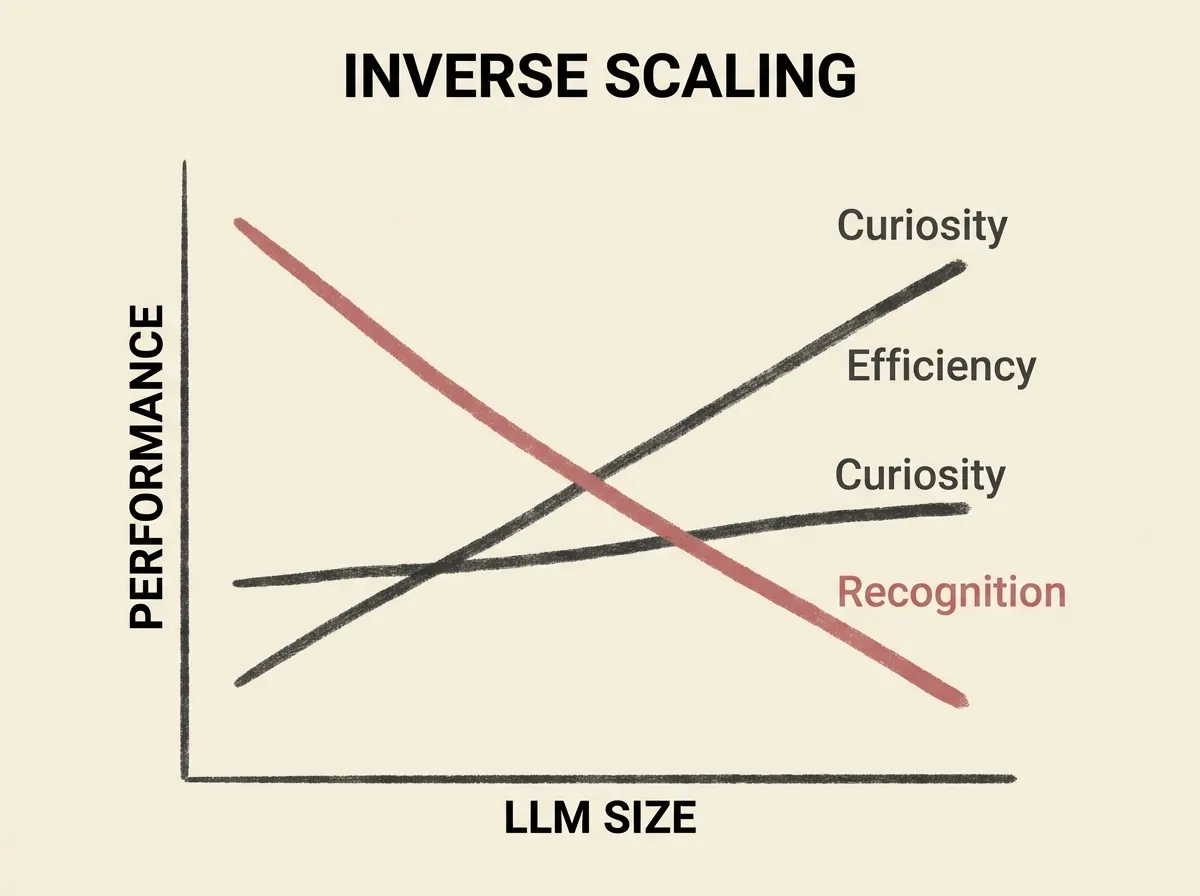
The conventional wisdom that larger LLMs are always better just got a significant wrinkle, especially when it comes to tool discovery in agents. Lomekwi introduces a new framework to break down tool discovery into curiosity, recognition, and efficiency, offering a clearer lens into how agents learn and use tools.
The most striking finding? Recognition - the ability for an agent to figure out how to create a tool - inversely scales with model size. That is right, a larger model might be worse at discerning the process of building a new tool. This challenges our assumptions about model scaling and suggests that simply throwing more parameters at an agent problem does not automatically lead to more intelligent tool-using behavior.
This insight is crucial for anyone designing or deploying LLM agents, prompting us to rethink how we structure agent learning environments and toolkits. It suggests that better context and discovery mechanisms, rather than just bigger base models, may be the key to more capable agents.
Human-in-the-loop AI agent scales scholar research impact reporting

Witnessing AI agents deliver tangible productivity gains in real-world settings is incredibly insightful, and this paper provides a stellar example. An AI agent was deployed to draft translational impact summaries for research scholars, a task that previously took staff an estimated 15 hours per scholar.
The agent slashed this to a median of just 14 minutes per scholar for review, a truly remarkable improvement. With 81.7 percent of the agent’s findings deemed usable (accepted or edited) by human reviewers, this is not just automation, it is a significant shift in workflow efficiency.
This human-in-the-loop design allowed the AI to act as a ‘first-pass author,’ freeing up staff to focus on higher-value review and synthesis. For any senior engineer contemplating how to deploy AI agents to solve genuine business problems and boost productivity, this case study offers concrete evidence and a blueprint for success. It proves that well-designed agents can deliver quantifiable returns by transforming tedious manual processes.
Counterfactual Shapley Credit Assignment improves RL by isolating causal drivers
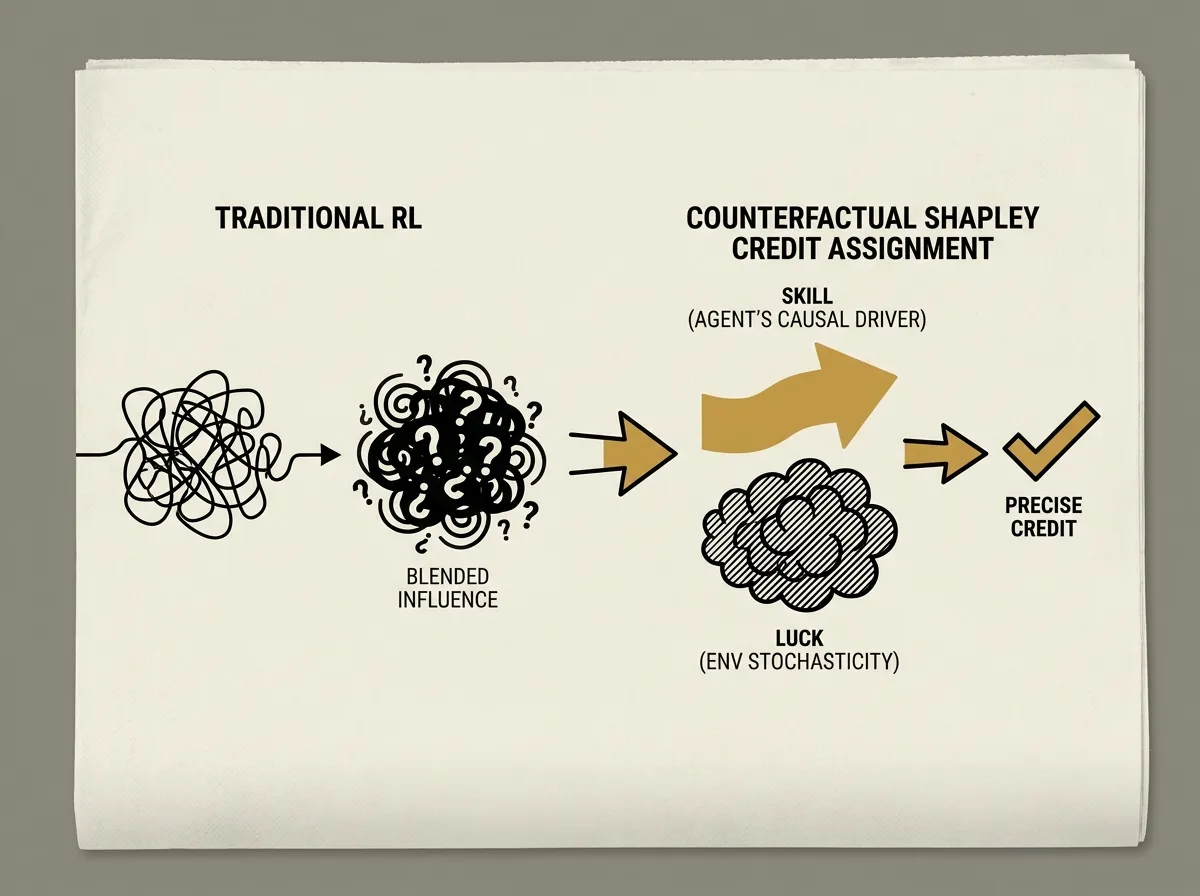
Developing robust AI agents means knowing if they succeeded due to skill or pure luck. A new paper introduces Counterfactual Shapley Credit Assignment, a causal framework to solve this core challenge in Reinforcement Learning.
This approach precisely distinguishes an agent’s policy contribution from environmental stochasticity. It offers a new policy gradient method, A
-PPO, which demonstrates superior sample efficiency in complex, sparse causality, high stochasticity, and delayed reward environments.
For engineers building production-grade agents, this means more explainable and efficient systems. You can train agents that learn faster and you understand why they succeed, moving beyond opaque black-box attribution.
The path to truly reliable AI agents just got clearer.
SAGE enables socially-aware multi-agent navigation in complex human-robot environments
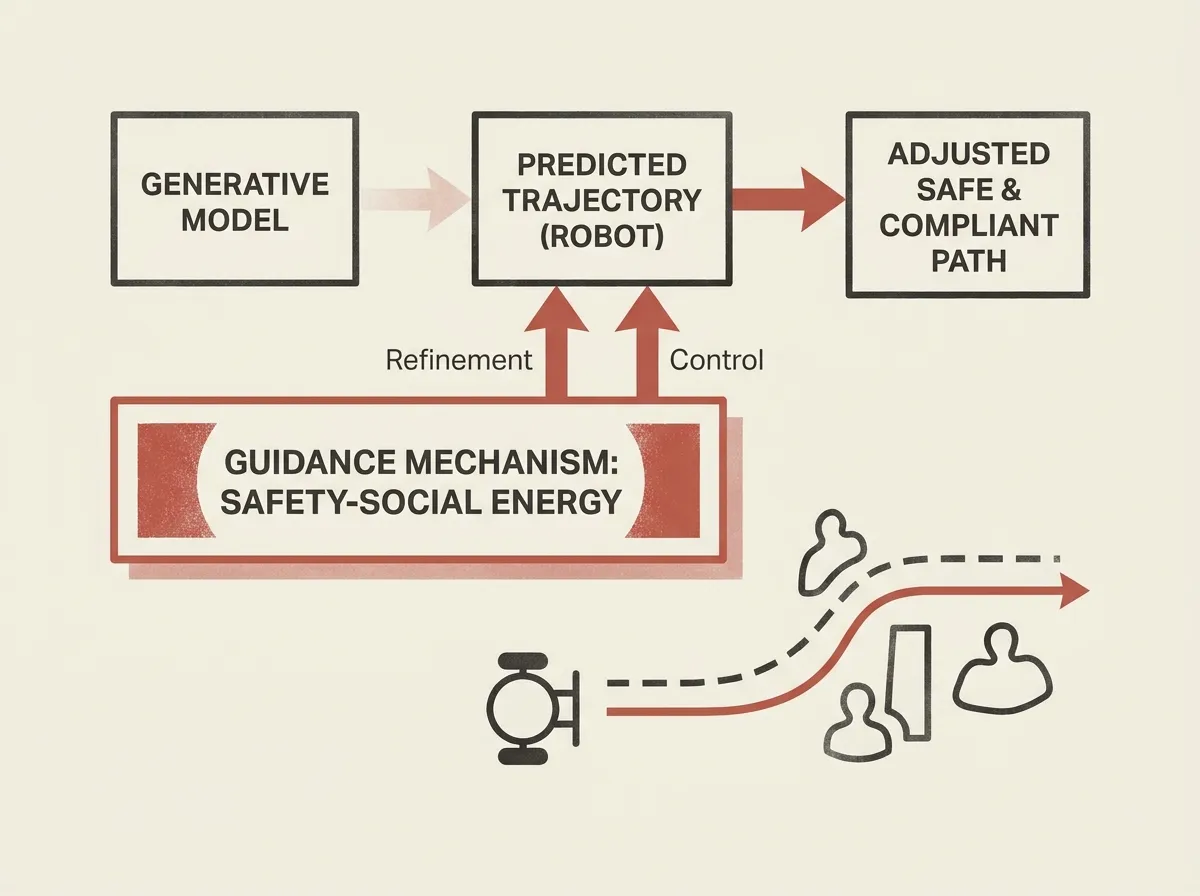
Navigating robots in human environments is incredibly complex, especially when dealing with diverse participants and social norms beyond simple collision avoidance. Most methods fall short, but SAGE offers a compelling new solution.
SAGE, a socially-aware generative engine, models heterogeneous multi-agent interactions using a Heterogeneous Graph Transformer. It then leverages a diffusion-based generative module to jointly predict trajectories and plan robot movements.
What truly stands out is the training-free safety-social energy guidance mechanism. This refines robot trajectories, explicitly controlling safety, accuracy, and social compliance, and crucially, it scales to teams of up to 20 robots without retraining.
This work paves the way for much safer and more integrated human-robot environments.
AirMoE paradigm overcomes bottlenecks in distributed Mixture of Experts deployment
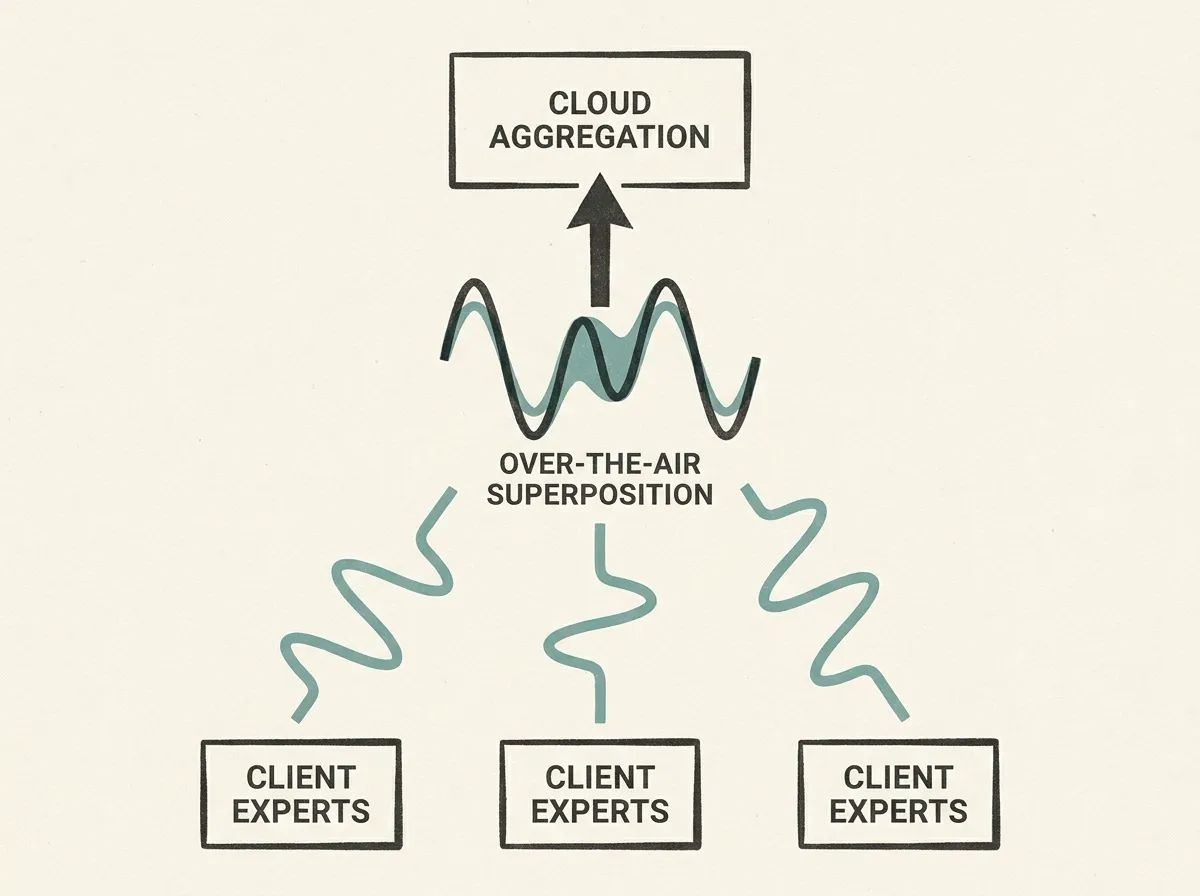
Deploying large Mixture of Experts (MoE) models at the edge over wireless networks faces two major hurdles: routing client experts without overwhelming uplinks and aggregating their outputs amidst channel noise. AirMoE provides a smart solution.
It introduces a statistic-augmented routing mechanism where clients report compact, prototype-induced statistics, drastically cutting uplink traffic. The cloud then selects relevant clients by aligning these statistics with LM-extracted features.
For aggregation, selected experts transmit simultaneously over a multiple-access channel, physically computing the reweighted sum via waveform superposition. This unique decoupling of routing and aggregation significantly improves efficiency.
For engineers building scalable, distributed AI systems at the edge, AirMoE offers a robust pathway to deploy large models more effectively.
SeniorLock achieves retrospective wait-freedom for concurrent object operations
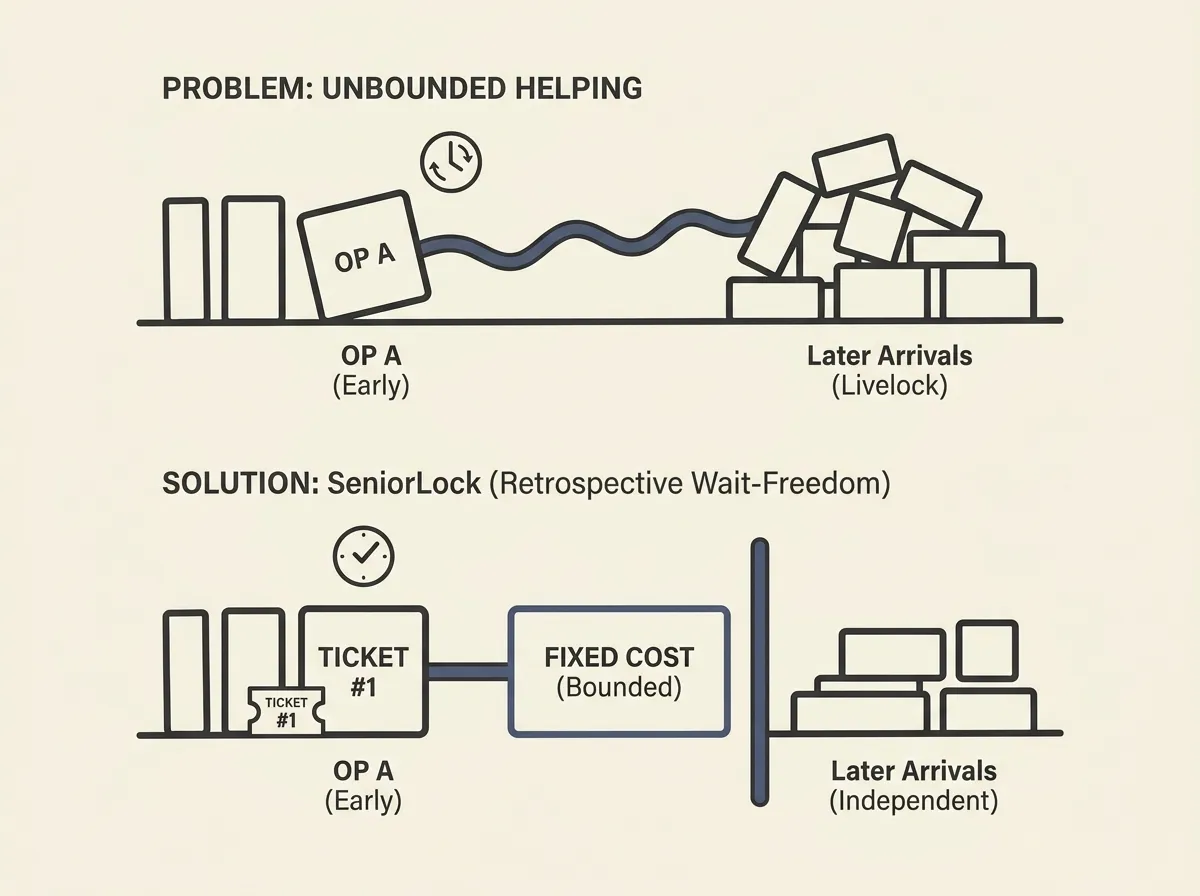
Wait-free locks promise progress, but a common problem exists: an operation can be forced to help an endless stream of newcomers, potentially never finishing itself. This paper tackles that subtle livelock issue head-on.
It introduces the concept of “retrospective wait-freedom” and a new primitive called SeniorLock. This deterministic, helpable thunk lock guarantees that an operation’s cost is bounded solely by the requests active when it takes its ticket.
Crucially, later arrivals do not penalize earlier operations. This means predictable performance and fairer progress guarantees even under extreme contention.
For engineers designing high-performance concurrent systems, understanding and applying SeniorLock could be a game-changer for robustness and latency guarantees.
Roomie avoids kernel-level interference for colocated DNN inference on GPUs

This paper introduces Roomie, an orchestration architecture that makes GPU sharing for DNN inference dramatically more efficient. Existing systems often struggle with kernel-level interference when colocating models, leading to missed SLOs.
Roomie tackles this by predicting and avoiding such interference. It uses offline profiling to get per-kernel resource configurations and an occupancy-based analytical model for real-time interference prediction. This approach is immune to timing distortions that typically plague profiler-based methods.
The results are compelling: Roomie reduces SLO violations by up to 3x compared to state-of-the-art solutions, while maintaining or even improving goodput. This is a crucial step forward for scaling AI inference in both cloud and edge environments.
Multi-agent LLM framework automates structural reliability analysis
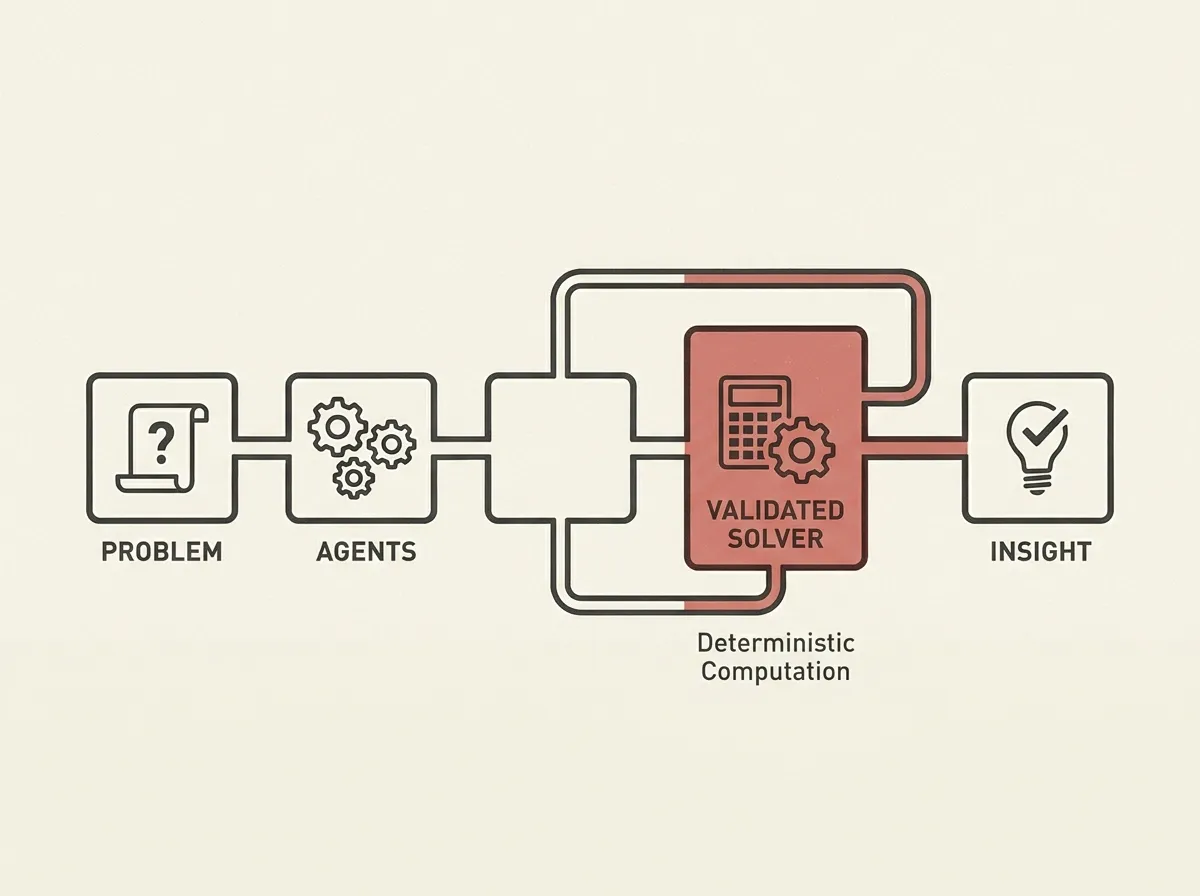
This paper introduces a multi-agent LLM framework that automates structural reliability analysis, transforming natural language problem statements into actionable insights. It addresses a core challenge: how to reliably use LLMs for tasks requiring precise computation.
The framework employs specialized agents for distinct steps: problem formulation, method planning, code generation, execution, and result interpretation. Crucially, while LLMs handle the orchestration, validated deterministic solvers perform the actual reliability calculations, ensuring computational trustworthiness and reducing hallucination risks.
This design choice is key for building robust applied AI systems. It demonstrates a powerful pattern for senior engineers: leverage multi-agent LLMs for complex workflow automation while delegating critical, verifiable computations to traditional, reliable components. This approach significantly lowers the expertise barrier for specialized fields.
GenAI reshapes creativity and collaboration in software engineering teams
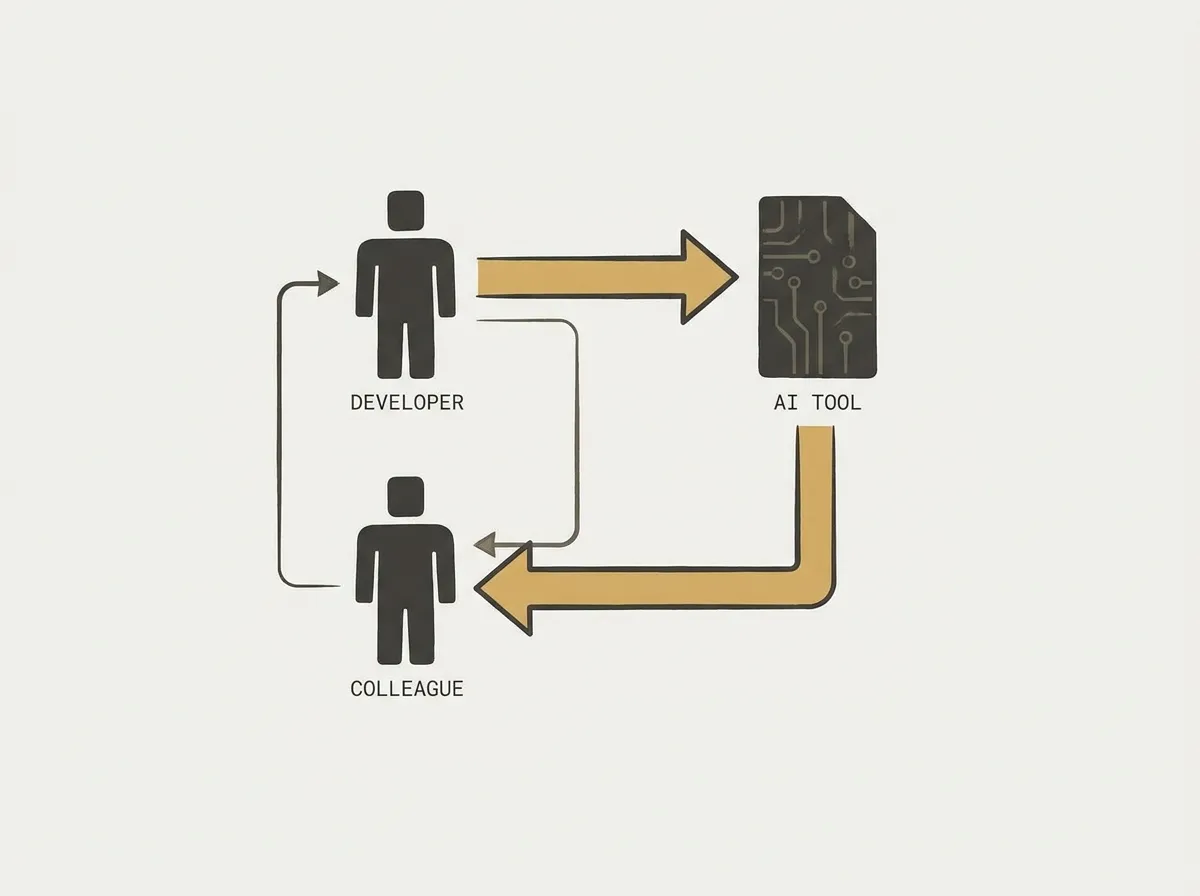
Generative AI tools are reshaping software engineering, but not always in obvious ways. A new study reveals that while GenAI can broaden developers’ creative repertoires, it also risks narrowing independent ideation.
Critically, developers are increasingly consulting AI instead of colleagues, which can weaken peer learning and mentorship. This highlights a subtle but significant shift in team dynamics.
However, the research also identified emerging ‘triadic collaboration’ patterns where developers, colleagues, and AI reason together. Understanding these changes is crucial for fostering effective teams in an AI-augmented world.
Optimizing decoding trie structure boosts generative recommendation success
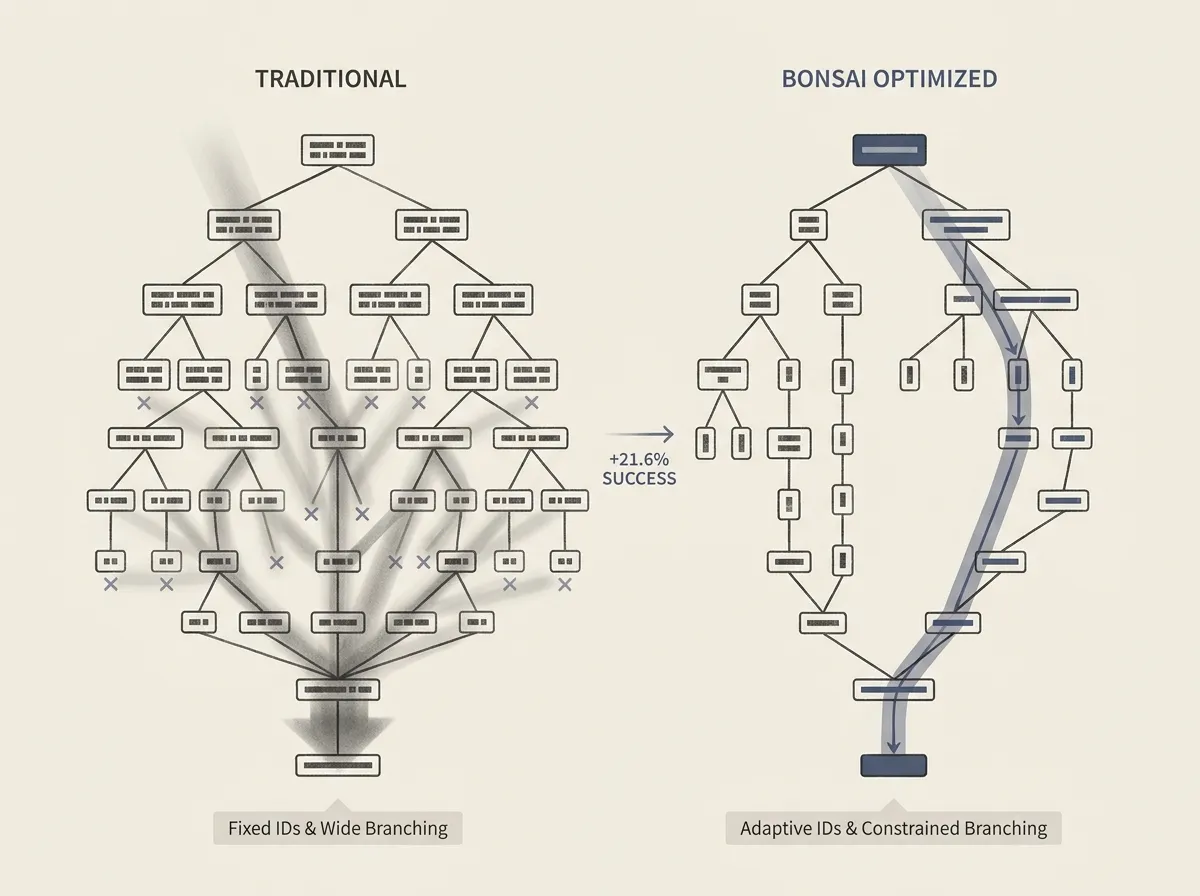
Decoding tries are critical for constrained beam search in LLM-based generative recommendation, but their structural design is often overlooked. New research shows that optimizing these tries can yield significant performance gains.
The BONSAI framework achieves up to a 21.6% relative improvement by co-designing textual term IDs and their underlying decoding trie. Key insights include ensuring adaptive, variable ID lengths and constrained branching factors, especially at shallow levels, to drastically improve search success.
This is not about bigger models, but smarter infrastructure. Engineers working on applied AI and LLM inference can leverage these principles to make their generative systems more efficient and effective.
Organizing events accelerates joining new social groups
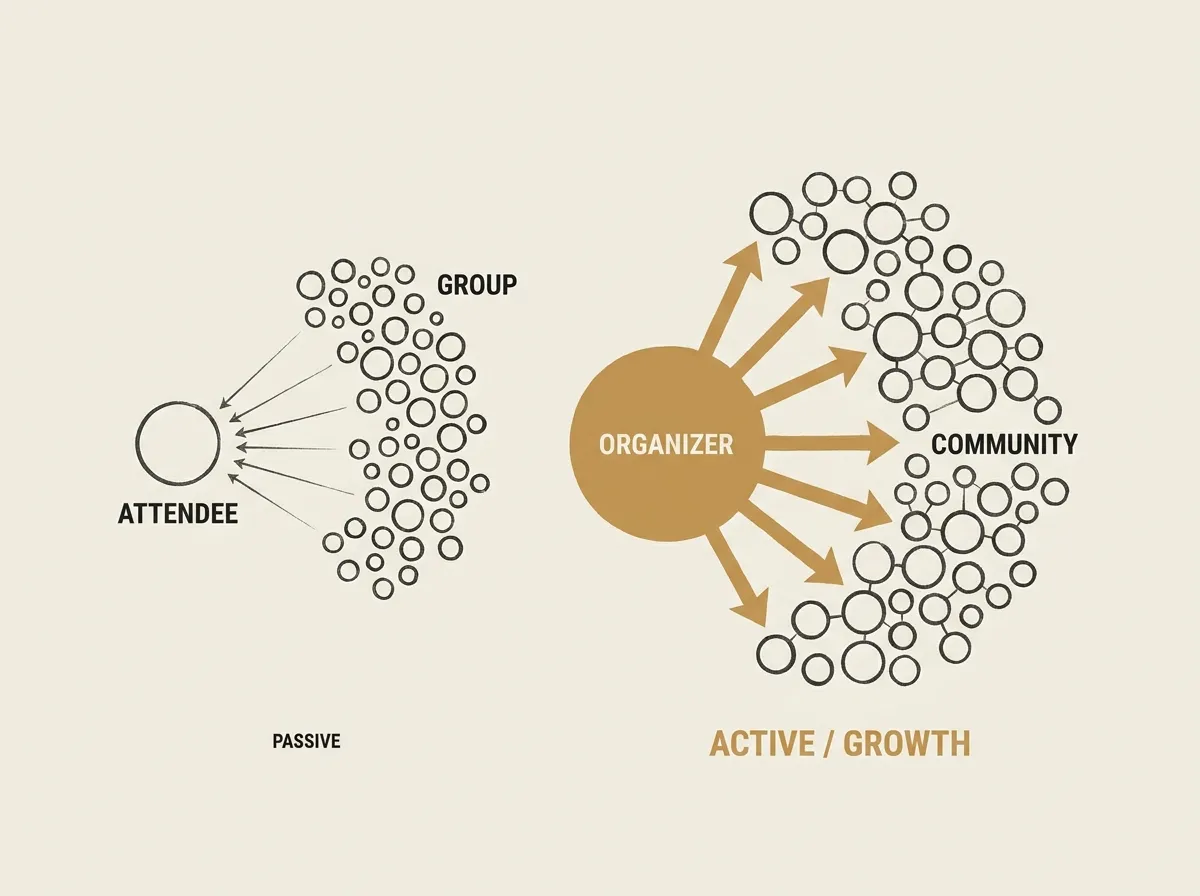
If you want to truly integrate into a new team, community, or professional group, stop just showing up. The fastest way to build influence and make connections is by organizing events yourself.
Many people adopt a consumer attitude toward communities, expecting leaders to magically sprout events. However, most events happen because someone takes the initiative to do the legwork. By stepping up to organize, you immediately differentiate yourself and become indispensable.
This principle applies whether it is an online fanfiction group or a professional engineering community. Those who build, lead.
Goodbye, and Thanks for All the Bikesheds
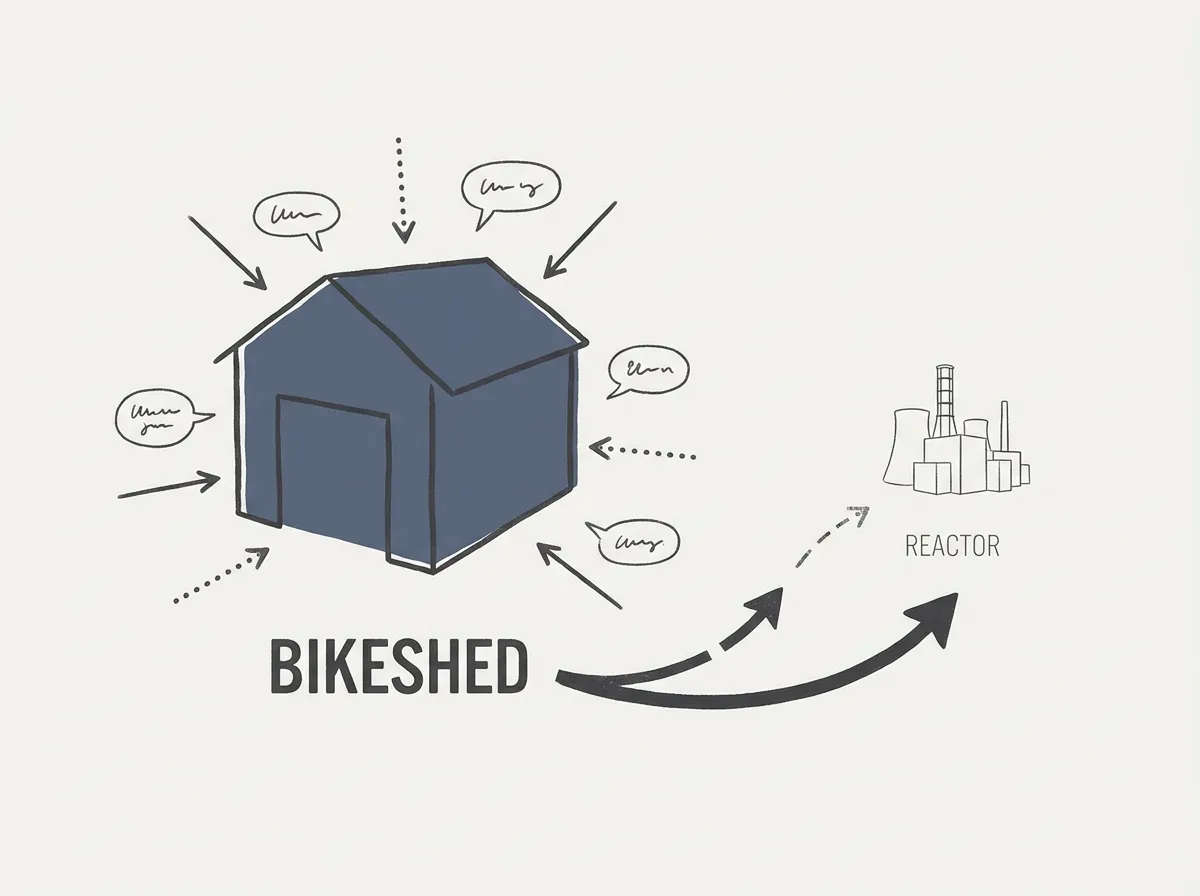
Bikeshedding is a term every engineer knows, but what if it is more than just a time-waster? A recent reflection suggests it is a symptom of deeper organizational dysfunctions that stall progress and drain morale.
The article delves into how seemingly minor disagreements over trivial details can mask a lack of clear vision or shared purpose, leading to endless, unproductive cycles. Recognizing these patterns is the first step towards fostering a more focused and effective engineering culture.
Understanding the root causes of bikeshedding can transform team dynamics and boost real productivity.
Safely delegate AI agent tasks to a dedicated spare Mac
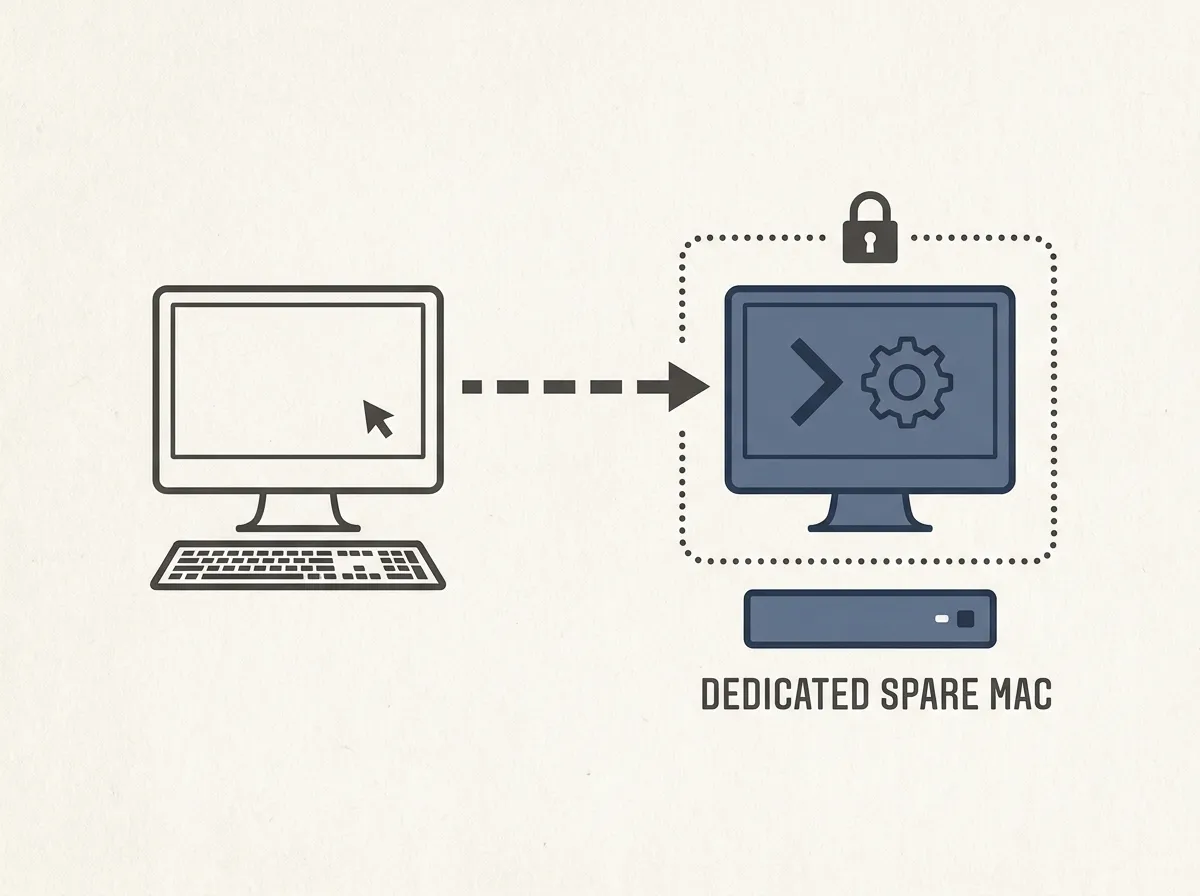
Running AI agents, especially those with computer use enabled like Claude Code, on your primary machine carries inherent risks. A practical guide demonstrates how to set up a dedicated spare Mac for full agent control.
This isolated environment mitigates security concerns by separating potentially risky agent actions from your main workstation. It also offers the added benefit of remote accessibility, allowing you to delegate complex tasks from anywhere via your phone or main computer.
This setup enables safe and efficient experimentation with advanced AI agent capabilities.
AI mania creates mass psychosis in global institutions
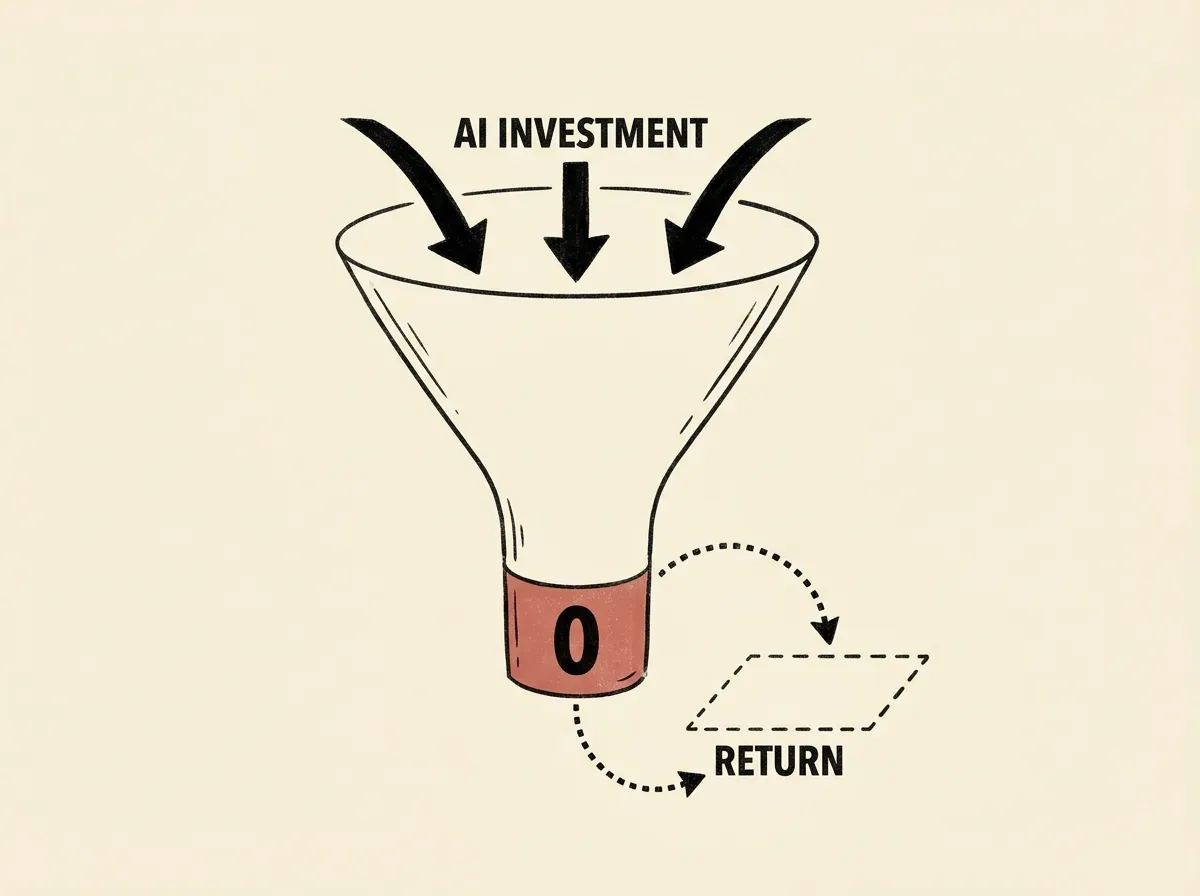
Are you seeing companies making irrational decisions based on AI hype? This post argues that ‘AI mania’ is actively harming global decision-making, leading to massive investments with little to show for it.
The author, from experience at Fortune 500s and niche services, describes a ‘mass psychosis’ where organizations are captured by uncritical excitement. Many AI ‘solutions’ fail because they lack clear plans beyond simply integrating AI.
It is a crucial read for senior engineers navigating this landscape. Understanding these widespread failures can help you champion more realistic, impactful AI strategies, and avoid the pitfalls of technology adoption driven by fear of missing out rather than genuine problem-solving.
AI mania leads to mass psychosis and investment failures
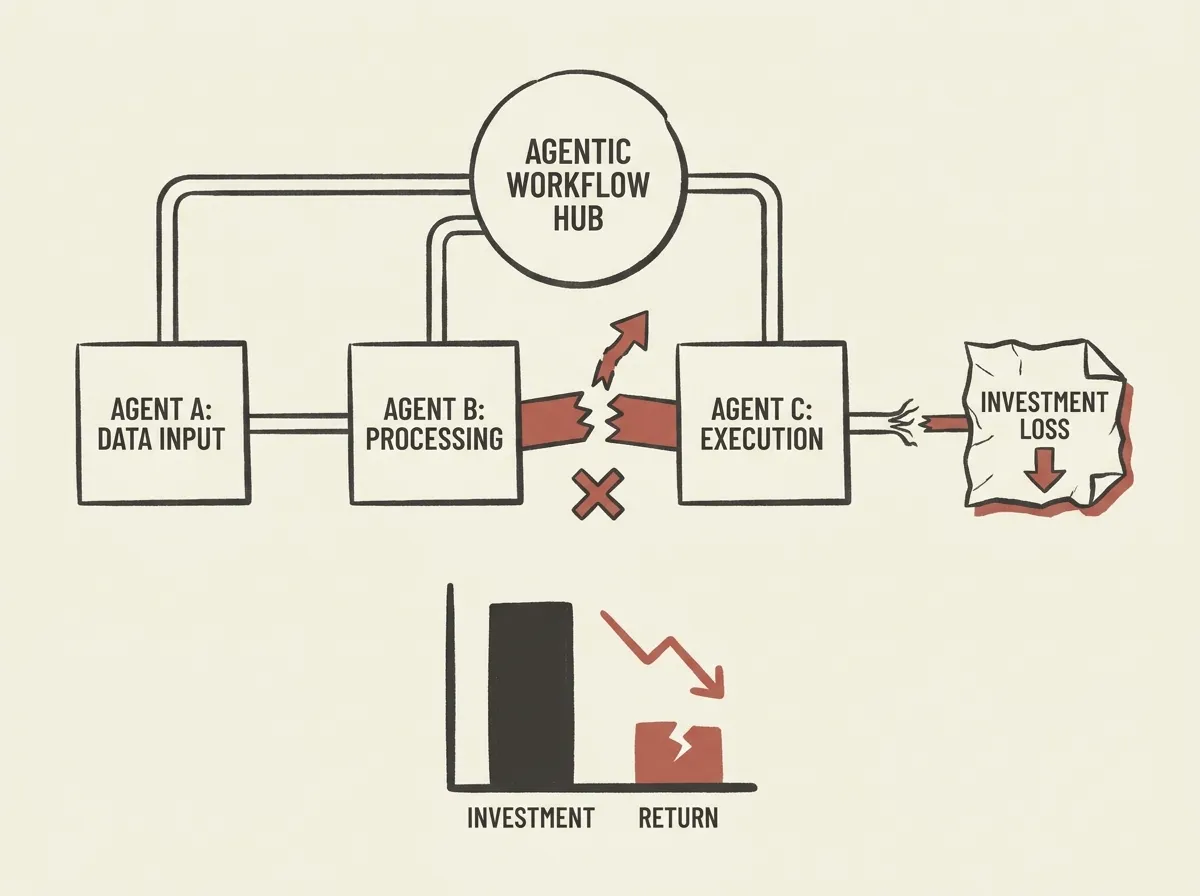
The current enthusiasm for AI is blinding many organizations, leading to significant investment failures, especially when it comes to “agentic workflows.” One company found only ten users ever engaged with their agent-focused products.
This piece highlights a crucial problem: simply adopting AI for the sake of it, without understanding its practical limitations, is causing widespread organizational “AI psychosis.” Many executives are making decisions based on hype, not tangible results.
For senior engineers, this serves as a vital reality check. It emphasizes the importance of skeptical evaluation and focusing on genuine problem-solving over jumping on every AI trend. Avoid getting caught in the current AI mania.
Pico-USB-WiFi firmware converts Raspberry Pi Pico W to driverless USB WiFi
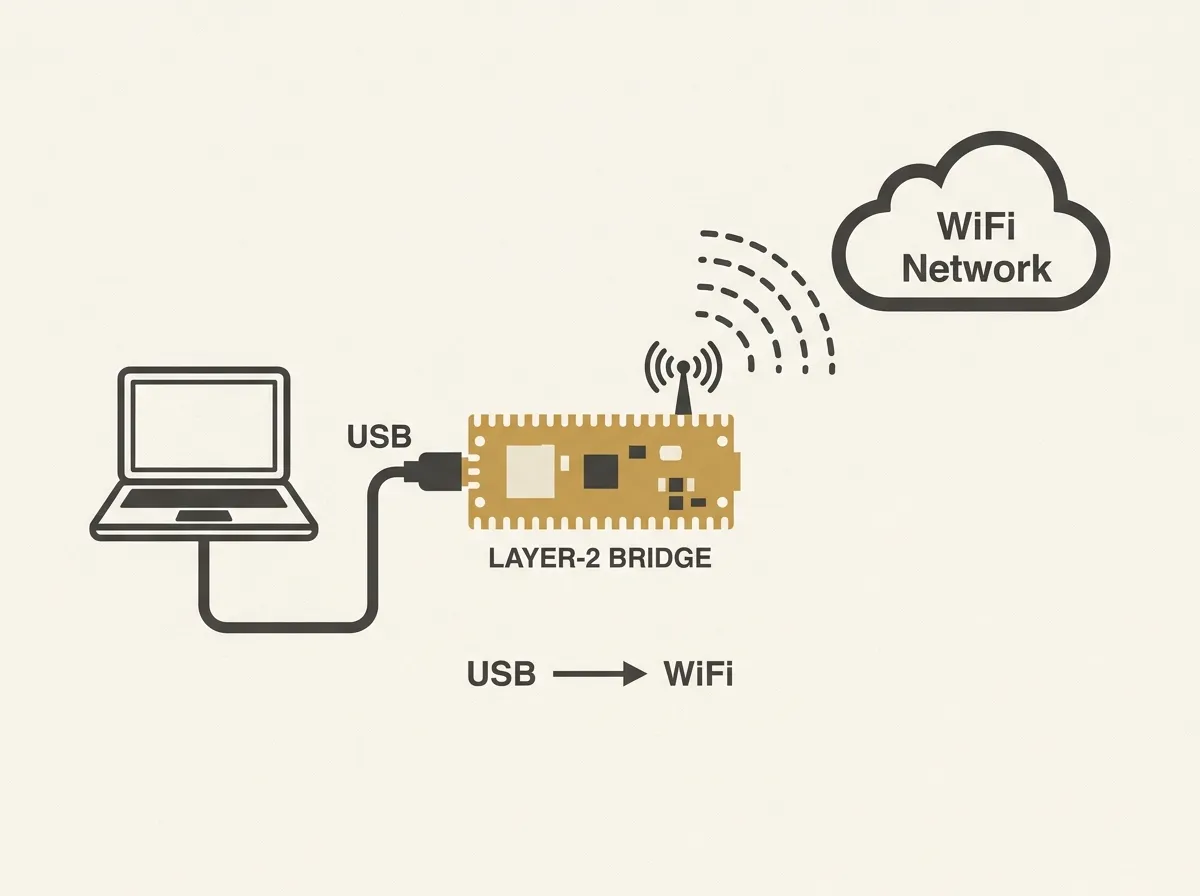
Turning a Raspberry Pi Pico W into a driverless USB WiFi adapter sounds like a hack, but this open-source firmware is a genuinely clever piece of engineering. It implements a transparent Layer-2 bridge between the Pico W’s wireless and USB interfaces.
Instead of directly using the WiFi chip as a USB bridge, it exposes an Ethernet connection through USB gadget mode. This allows routing Wi-Fi packets from the network, making it compatible with Windows, Linux, and macOS without needing special drivers.
While throughput is limited by the USB 1.1 interface, it is an excellent example of leveraging embedded hardware and open-source development for practical utility. It teaches concrete lessons in low-level system interfacing and networking principles.
GitRoot offers a flexible git forge for unique projects
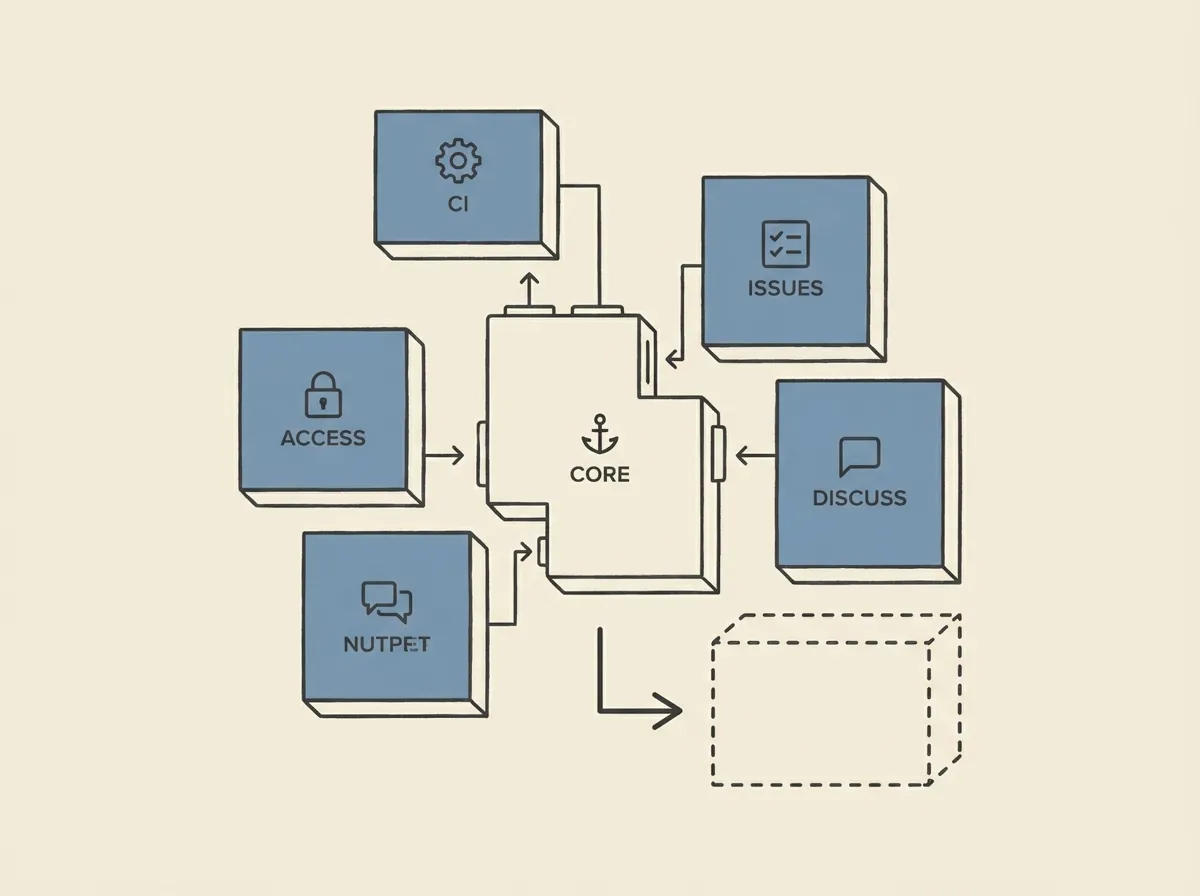
Forget monolithic Git platforms. GitRoot is a small yet powerful Git forge that downloads as a single binary, offering just repository management and access control out of the box.
The real innovation comes from its independent plugin architecture. You can add issues, roadmaps, sprint boards, or even custom merge request flows, all without a heavy web interface if you do not want one.
This approach lets you craft your forge to your project’s unique needs, giving you control over workflow without complexity. It is a refreshing take for engineers frustrated by opinionated, all-in-one solutions.
Freya v0.4 rewritten for type safety and independence
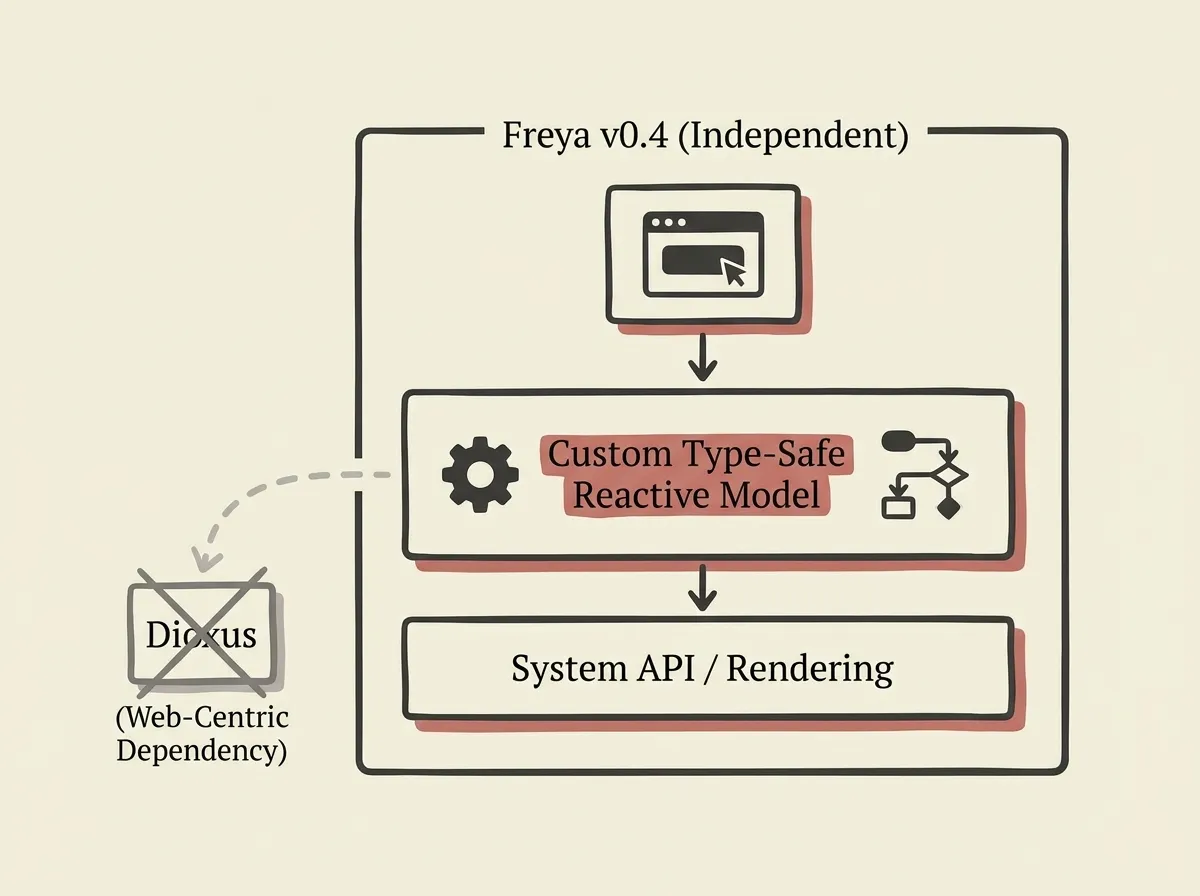
Rewriting a core library component is never a small feat, but Freya 0.4’s shift away from Dioxus to its own reactive and component model is a masterclass in software architecture. The developers built a new system from scratch to achieve better type safety, extensibility, and simplicity.
This move was driven by Dioxus’s web-centric design, which imposed limitations on Freya’s desired direction. By owning the full stack, Freya can evolve freely, catching typos at compile time and providing more accurate stack traces.
This deep dive into architectural choice and implementation details provides valuable lessons for any engineer building or maintaining complex systems.
AI's role is to offload execution, enabling human collaboration
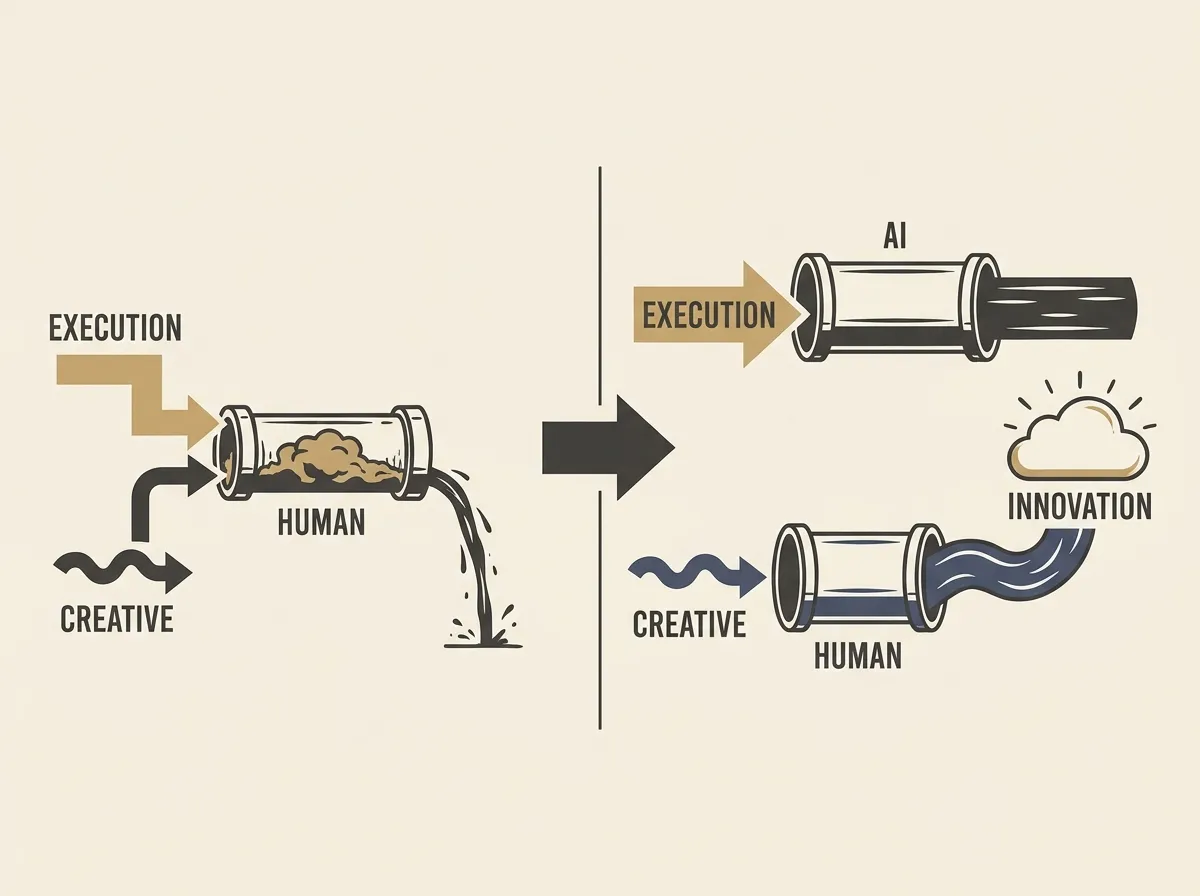
Imagine a world where AI handles all the execution, freeing engineers to just ‘riff’ and innovate. This is the vision, drawing inspiration from the legendary Bell Labs cafeteria, where casual interdisciplinary conversations sparked groundbreaking ideas.
The core insight is that while AI excels at execution, human creativity and collaboration remain paramount. Instead of AI replacing us, it should liberate us from repetitive tasks, enabling more high-level, human-to-human problem-solving.
This reframes the AI productivity debate, suggesting true leverage comes from offloading the mundane to maximize human creative bandwidth. It is a powerful perspective for engineering leaders thinking about how to cultivate innovation in an AI-augmented future.
What if AI’s greatest contribution is giving us back time to think and connect?
Narcissistic leaders are more likely to oppose remote work
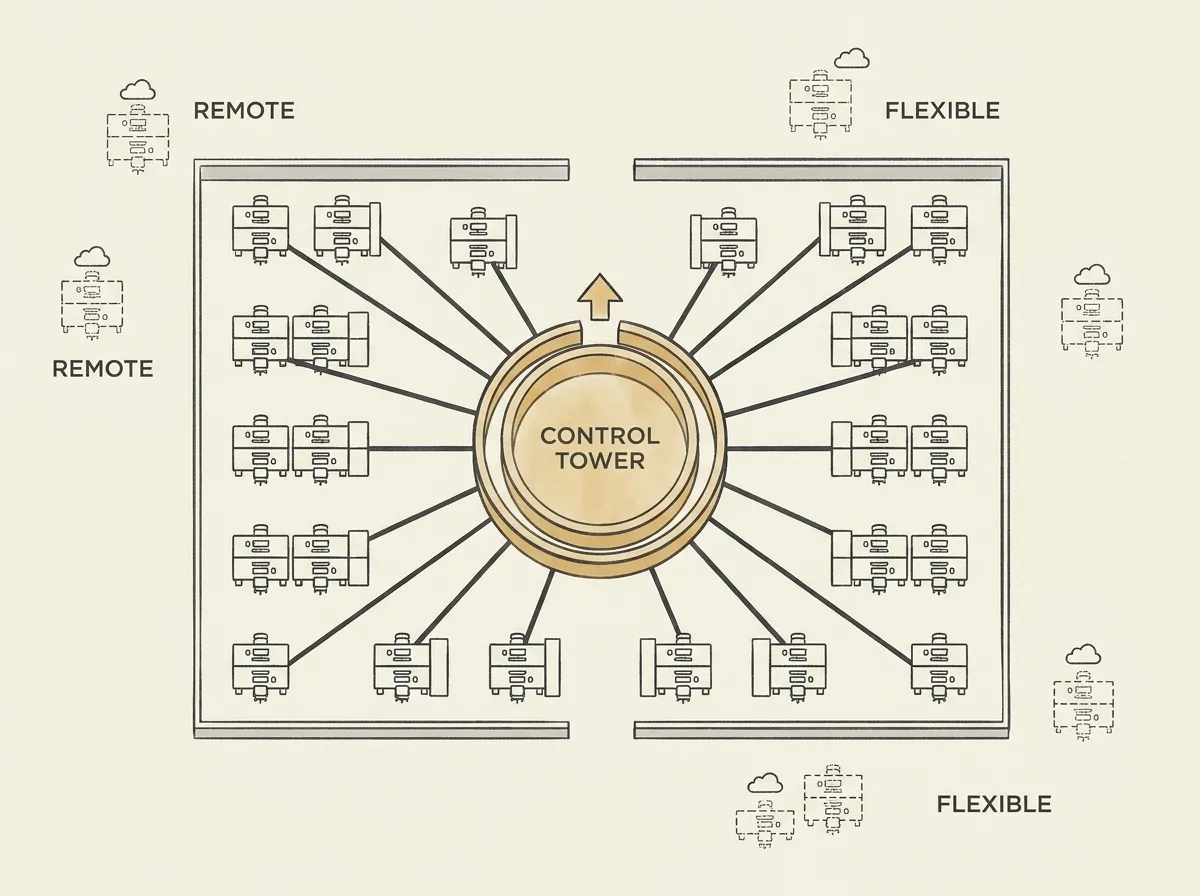
Are your leaders pushing for return-to-office? New research from Wharton suggests a surprising correlation: leaders with narcissistic traits are significantly more likely to oppose remote work.
The study found this resistance stems from a desire for power, control, and status. It is less about genuine productivity concerns and more about a leader’s need to exert visible authority and receive in-person validation.
This insight can reframe how we understand and navigate workplace policies on remote or hybrid work. It provides a different lens through which to analyze leadership decisions impacting developer productivity and well-being.
Understanding these underlying motivations can empower engineers to advocate more effectively for flexible work arrangements.
China's Open Source AI Strategy Threatens US Economy

The rapid rise of advanced open-source AI from China, like Kimi K3, presents a significant strategic challenge to established US AI labs and could have broader economic implications. This is not just about new models, but about a shifting global AI power balance.
The argument suggests that China’s push for open-source excellence is a deliberate strategy to disrupt the market. While engineers might appreciate high-quality open-source AI, understanding the geopolitical undercurrents behind its funding and rapid development is crucial for those in the AI space.
It compels us to consider how quickly a technological lead can erode. Keeping an eye on these global dynamics is essential for senior engineers navigating the AI landscape.
Claude Fable 5 becomes permanent in premium subscription plans
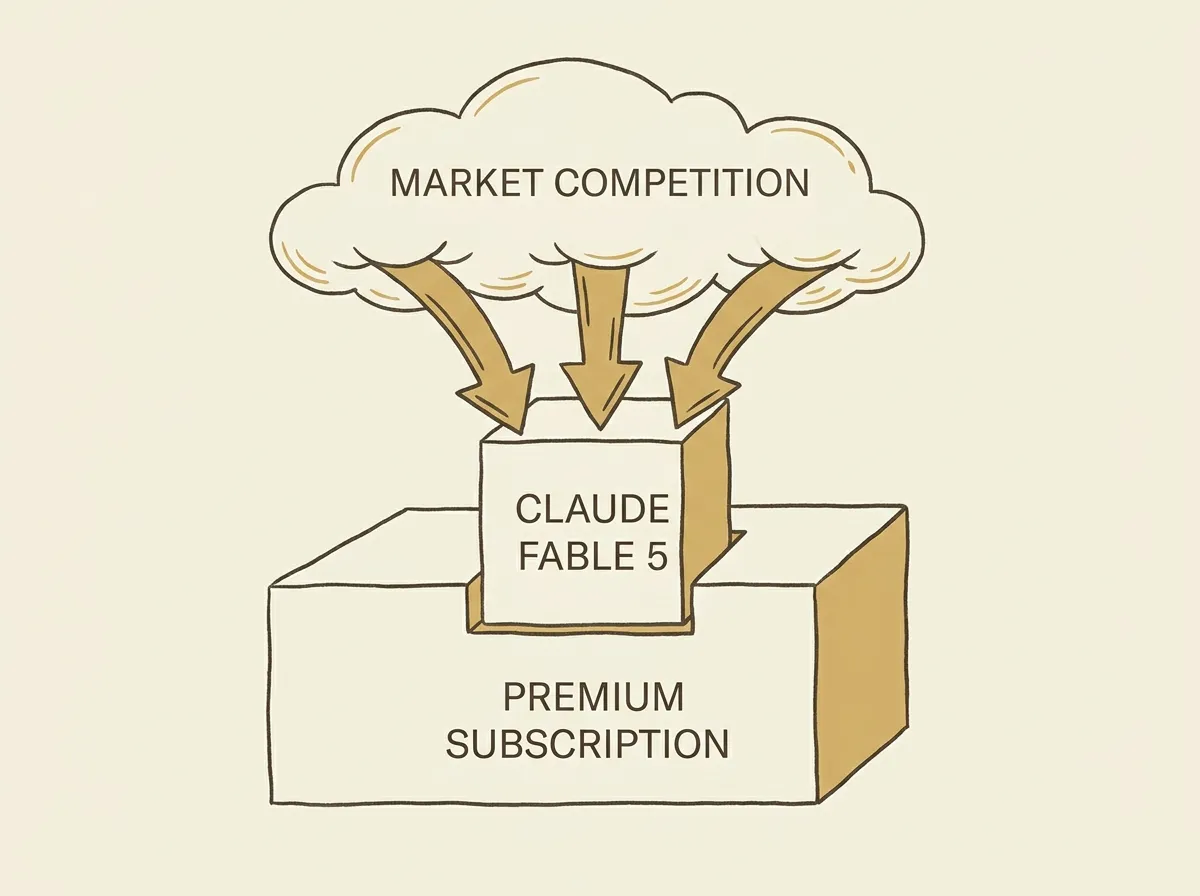
Anthropic has made a significant reversal, permanently including Claude Fable 5 in its premium subscription plans after initially planning to restrict it to API access. This move highlights the fierce competition in the LLM space.
The decision was largely driven by new powerful models from competitors like GPT-5.6 Sol and Kimi 3. For engineers leveraging commercial LLMs, understanding these market shifts and how they impact access and pricing for top-tier models is critical for strategic planning.
It shows how competitive pressure directly translates into better, more stable offerings for users. This rapid evolution of model availability changes the calculus for anyone building agentic systems or applied AI products.
Proper HTTP User-Agent identification prevents website blocking by generic crawlers
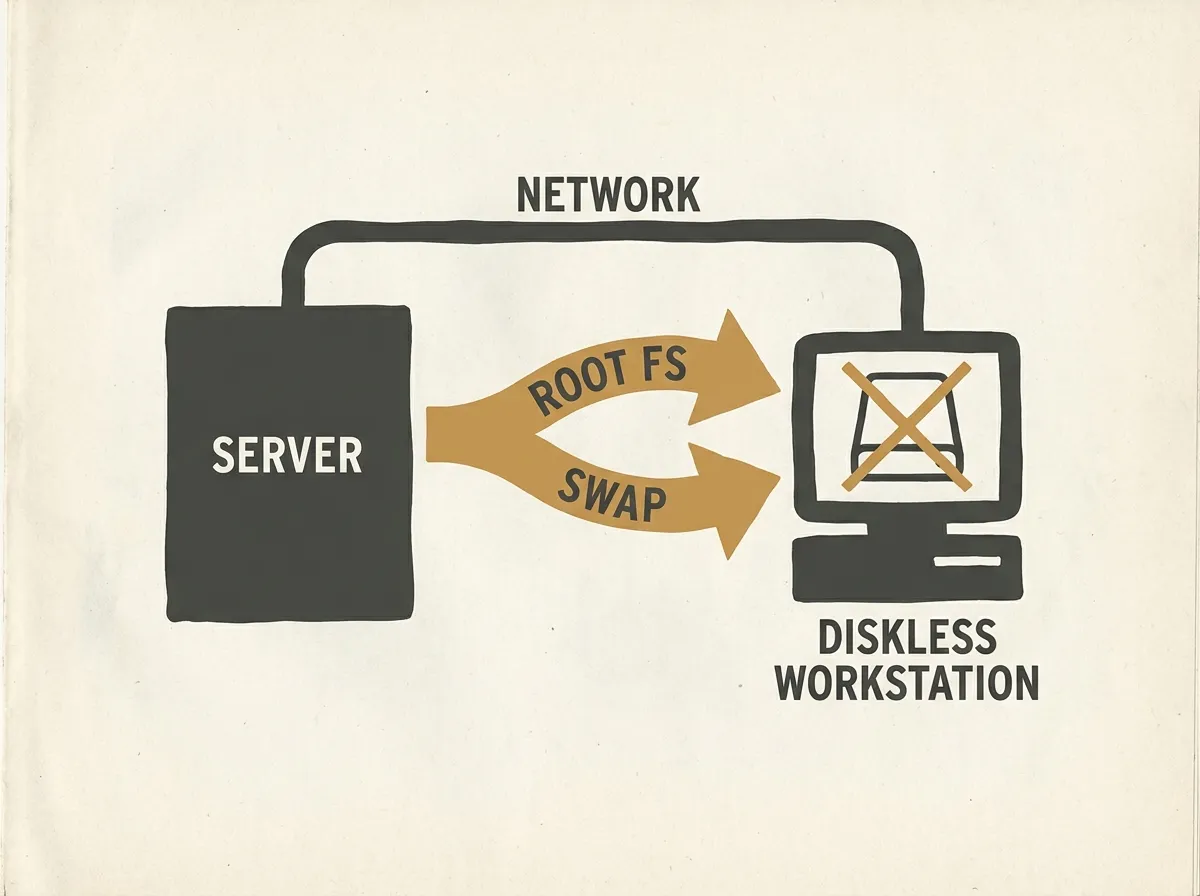
Before NFS became the standard for network file systems, SunOS faced the challenge of diskless workstations. The solution involved deep kernel modifications to enable machines to boot and function entirely over the network, a monumental task for its time.
This was not a simple network boot. The system had to serve the entire root file system, handle paging, and manage temporary storage without any local disk. It provided a robust, if complex, method for centralized management and deployment of workstations.
Understanding these early approaches offers a fascinating glimpse into the evolution of distributed systems. It highlights how engineers tackled fundamental resource sharing and boot problems that underpin much of our modern networked infrastructure, reminding us that many ‘new’ problems have deep historical roots.
A great historical dive into core system challenges.
Anthropic secures AI compute power through deals with Meta and SpaceX
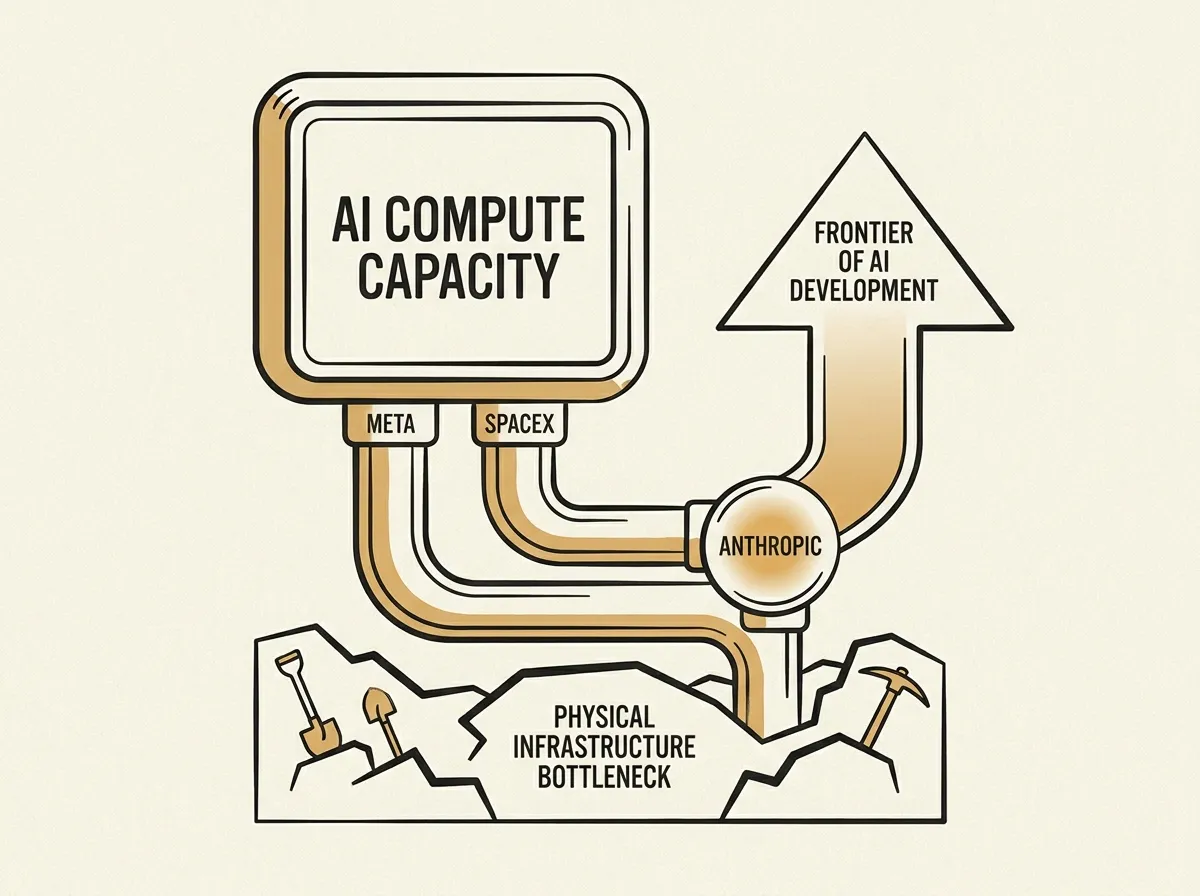
The scramble for AI compute power just took another interesting turn: Anthropic, a leading AI lab, is reportedly in early talks to lease significant computing capacity from Meta. This move underscores a fundamental challenge facing the entire AI industry.
Access to vast arrays of specialized AI chips, primarily from Nvidia, remains the single biggest bottleneck for developing and scaling advanced LLMs. Even well-funded players like Anthropic must forge strategic partnerships to secure the necessary hardware.
This situation reveals the true ‘picks and shovels’ economy underlying the AI boom. While models rapidly advance, the physical infrastructure to train and run them is a finite, highly contested resource. Understanding these compute constraints is crucial for anyone building in the AI space.
Compute capacity defines the frontier of AI development.
Visualizing AI's Impact on Stack Overflow
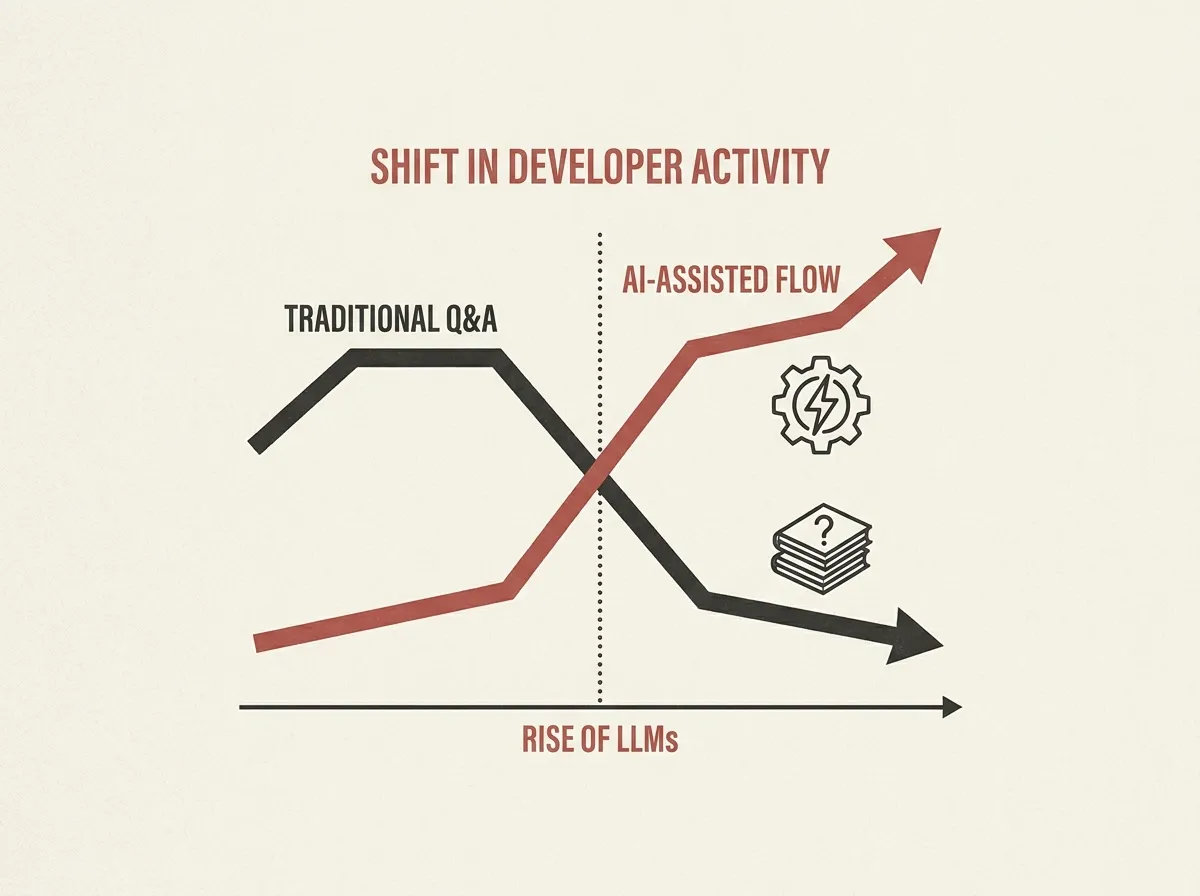
AI is changing how developers work, and Stack Overflow data shows it clearly. New graphs reveal a significant shift in user activity and content generation patterns, coinciding with the rise of LLMs. This is more than anecdotal; it is a measurable change.
The data provides a fascinating look into how engineers are interacting with traditional knowledge bases versus new AI tools. Understanding these shifts is crucial for anyone thinking about developer productivity and the future of engineering practices.
See the numbers for yourself and reflect on what this means for your team’s workflow.
How usage limits reset for Codex and ChatGPT Work

Curious how large-scale AI services handle capacity and usage? This tracker for OpenAI’s Codex and ChatGPT Work usage limit resets offers a fascinating glimpse into real-world LLM infrastructure management.
It aggregates official announcements, often linked to user growth milestones like 9 million active users, and even mentions challenges in keeping the infrastructure up. This shows the operational realities behind massive AI scaling, beyond just model performance.
Understanding these public signals helps in anticipating challenges and strategies for building and scaling your own applied AI systems. It is a subtle but important detail for engineers working on LLM infrastructure.
Elixir offers robust scalability, maintainability, and productivity for diverse applications

Elixir’s official website just got a fresh look, and it prominently features the language’s core strengths: building scalable, fault-tolerant, and distributed systems. This is more than a redesign; it is a clear statement of purpose for a powerful technology.
Leveraging decades of Erlang’s battle-tested reliability and fault-tolerance, Elixir excels at message-oriented and real-time systems. If you are wrestling with concurrency, distributed state, or needing five-nines uptime, Elixir offers a distinct and often superior paradigm.
Take a look at how Elixir addresses the challenges of modern distributed architectures. It provides a robust, proven alternative to traditional approaches, making it highly relevant for senior engineers designing complex systems.
Microsoft's 'Digital Escorts' Left DOD Vulnerable to Chinese Hackers
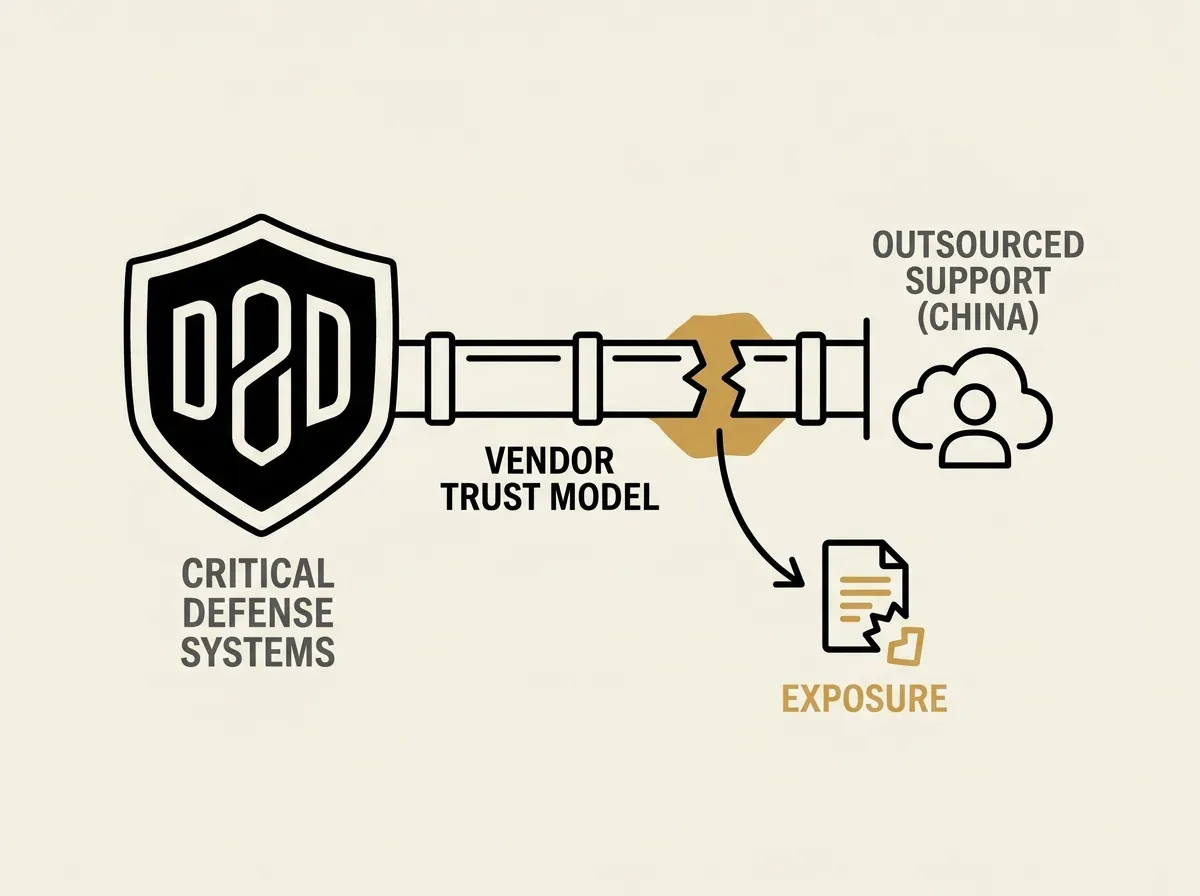
Microsoft’s practice of using “digital escorts” in China for Department of Defense tech support created a staggering supply chain vulnerability, leaving critical U.S. defense systems exposed to Chinese hackers. This was not a hypothetical risk; it was an active exposure due to an outsourced operational model.
The investigation uncovered that Microsoft engineers in China, providing support for sensitive DoD systems, had privileged access that could be exploited. This scenario illustrates how deeply embedded vendor choices can compromise the integrity of even the most secure environments, moving beyond typical cybersecurity measures to a fundamental trust issue.
This serves as a crucial case study for senior engineers and system architects. It underscores the profound importance of end-to-end supply chain vetting and understanding the geopolitical implications of critical vendor relationships. A system is only as secure as its weakest link, and often, that link is not code, but the human and organizational design.
Rethink your vendor trust models for critical infrastructure.
Significant bugs found in netcode, reliable, serialize, yojimbo libraries

Widely-used open-source libraries are often taken for granted, yet even decades-old code can harbor significant vulnerabilities that undermine system reliability and security. Recent work on the Fable 5 game project has uncovered major, long-standing bugs in popular networking libraries such as netcode, reliable, serialize, and yojimbo. These are fundamental components that have been in circulation for over ten years, impacting numerous games and middleware packages.
The discovery of these critical issues highlights a crucial lesson for all engineers: relying on mature open-source projects does not absolve us from the need for continuous auditing and maintenance. Even seemingly stable dependencies can hide deep flaws for extended periods, posing silent risks to production systems. The effort to address these bugs was substantial, requiring two weeks of dedicated work and an investment of over $2,500 for AI-assisted code review and fixes.
If your systems incorporate these specific libraries, an immediate upgrade to their most recent releases is not just recommended, it is essential. This serves as a potent reminder that vigilance over our foundational dependencies is an ongoing engineering practice.
Ensure your trusted components are truly trustworthy.
Why X is Not Our Ideal Window System
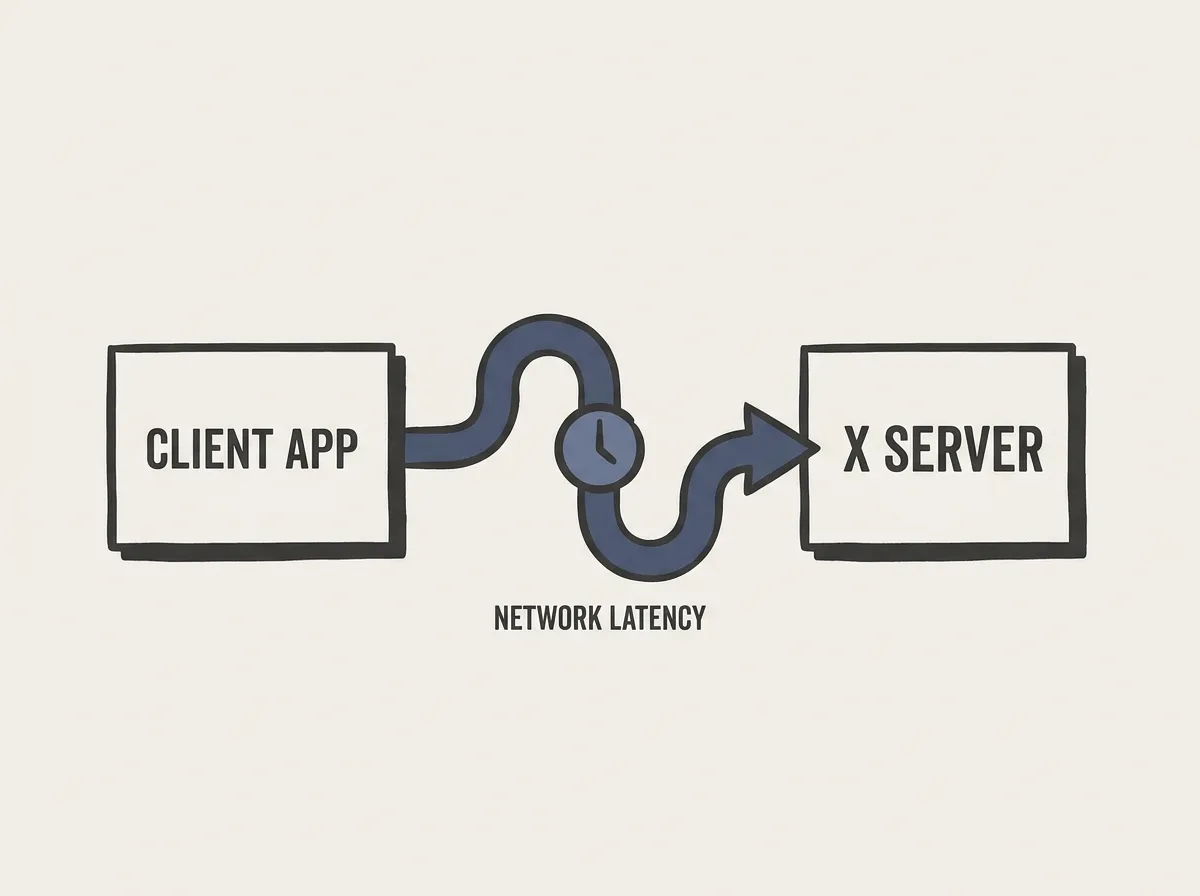
The X Window System, despite its longevity, is fundamentally constrained by its network transparency design principle. This early architectural choice meant every operation could potentially traverse a network, leading to inherent latency, increased complexity, and persistent security challenges, even during local usage.
This design decision often forces a lowest-common-denominator approach, making it difficult to optimize for modern graphics hardware or to integrate efficiently with contemporary compositing window managers. The client-server model, while groundbreaking for its era, established a heavyweight protocol that struggles to meet today’s demands for high-performance graphical interfaces and fluid mobile environments.
Understanding these deep-rooted architectural constraints from X’s inception reveals precisely why it struggles to adapt to evolving computing paradigms. This historical perspective offers critical lessons in the enduring trade-offs involved when designing foundational system components, providing valuable context for appreciating the design decisions in successor systems like Wayland or various mobile OS graphical stacks.
Every architectural abstraction carries its own distinct set of hidden costs.
Inference-aware foundation for privacy-aware data preparation guidance
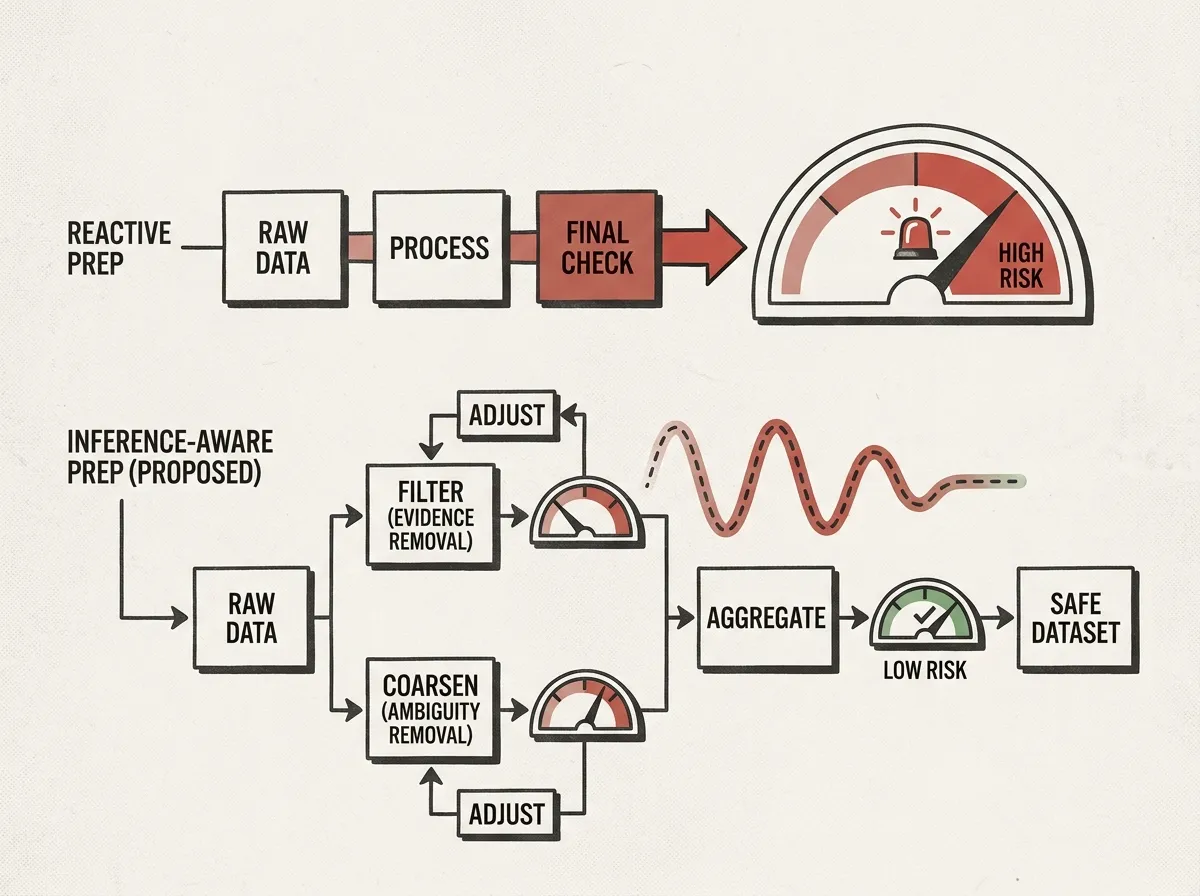
Working with sensitive data for AI/ML or analysis? Most privacy efforts kick in after data is prepared, leading to last-minute fixes. This paper flips that by proposing inference-aware privacy guidance throughout the data preparation process.
It introduces a framework that models how each step of data curation (dropping attributes, coarsening values) alters the evidence available to an adversary. This means you get real-time feedback on privacy risks, enabling proactive adjustments rather than reactive ones.
The key insight is separating operators that remove evidence from those that remove ambiguity, explaining why privacy effects can be non-monotone. This is a game-changer for building truly safe and useful datasets.
Stop guessing at privacy; start guiding it.
State management in complex systems is a runtime control problem
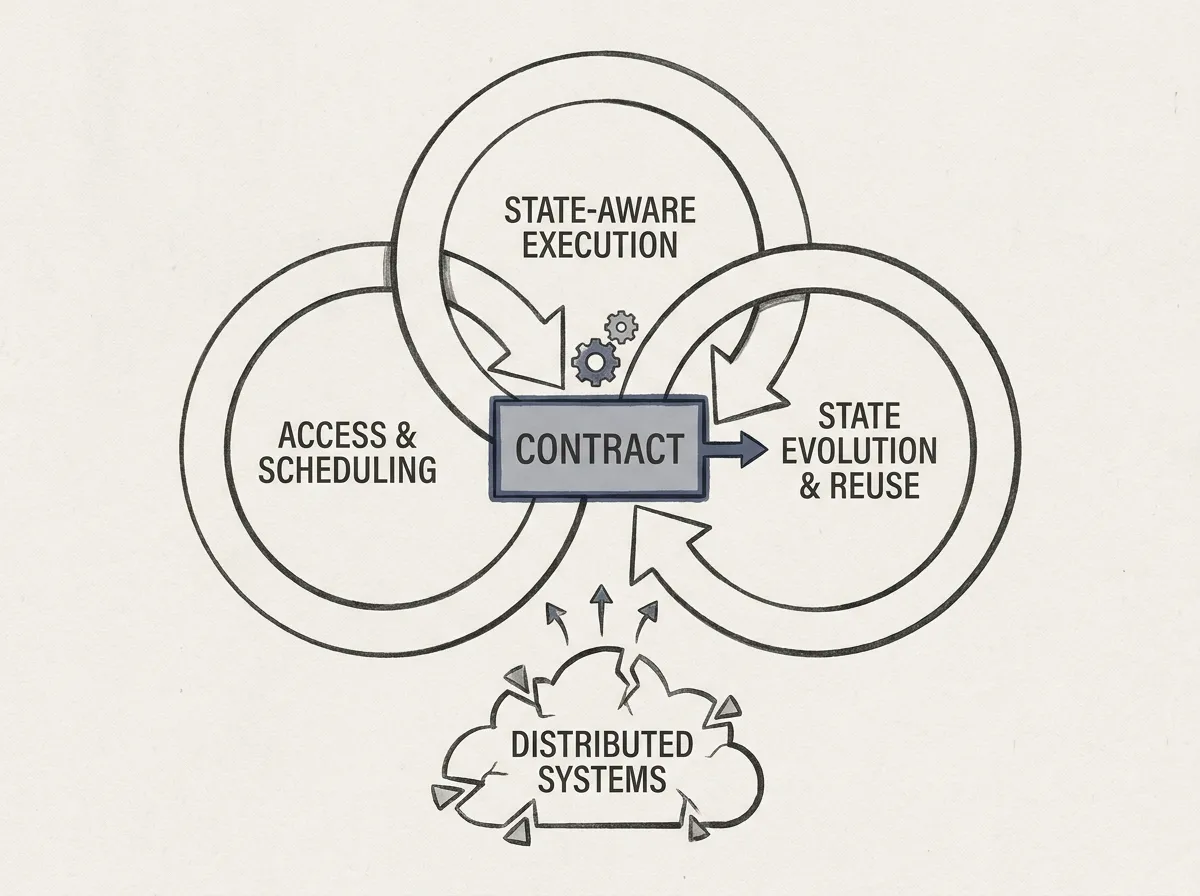
Managing shared state in distributed systems is notoriously complex. This paper argues that it should be viewed not just as a storage problem, but as a runtime control problem that impacts performance and failure behavior across streaming, serving, and AI systems.
The authors synthesize vast literature, breaking state management into three interconnected dimensions: access and scheduling, state-aware execution, and state evolution and reuse. This unified view helps uncover recurring anti-patterns often missed when these aspects are considered in isolation.
You will find a “contract-oriented blueprint” and “disturbance-aware evaluation agenda” which can inform how you design more resilient and performant distributed systems. This shifts the focus from fragmented solutions to a holistic control perspective.
Rethink how you approach state in your next distributed system design.
Atomic Propositions Unify Multimodal Data into Interpretable Space
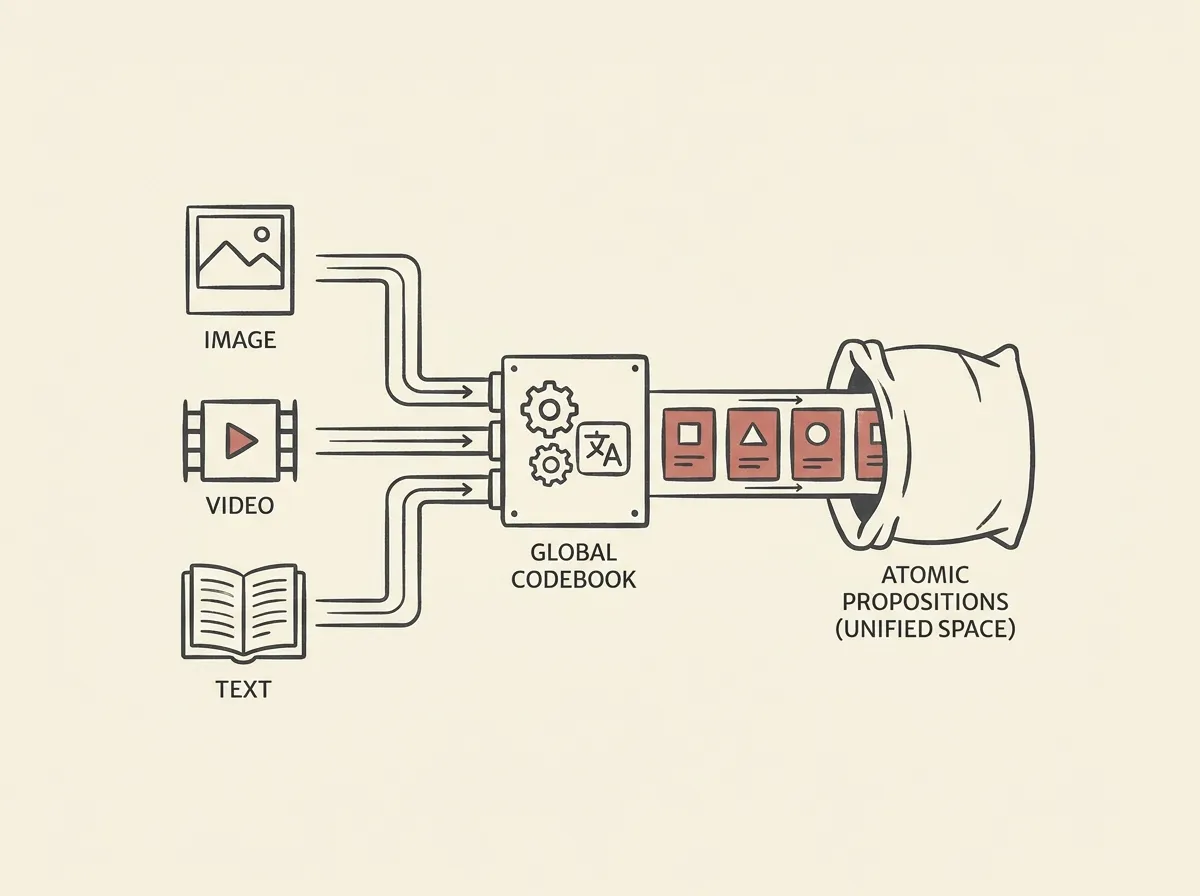
The challenge with multimodal AI has always been disparate data formats: how do you get images, video, and text to “speak the same language” for robust reasoning? This paper proposes a powerful solution: representing all multimodal data as a “bag of atomic propositions.”
Imagine a global semantic codebook that unifies every observation - whether from an image, video, or text - into a shared vocabulary of simple, interpretable statements about entities, actions, and relations. This creates one interpretable space, spanning fine-grained facts to high-level concepts.
This framework brings significant advantages: enhanced interpretability with stronger reasoning capabilities, seamless cross-modal understanding and retrieval, and true compositionality. For engineers building complex multimodal systems, especially in areas like autonomous driving, this could be a game-changer for data curation and structured retrieval.
Unifying modalities into a common language unlocks deeper AI intelligence.
Fine-tuning strategies improve hallucination detection by encouraging output diversity
Hallucinations remain a major hurdle for deploying LLMs reliably in production. Most detection methods are applied after generation, but what if the model itself could be trained to make its hallucinations more obvious?
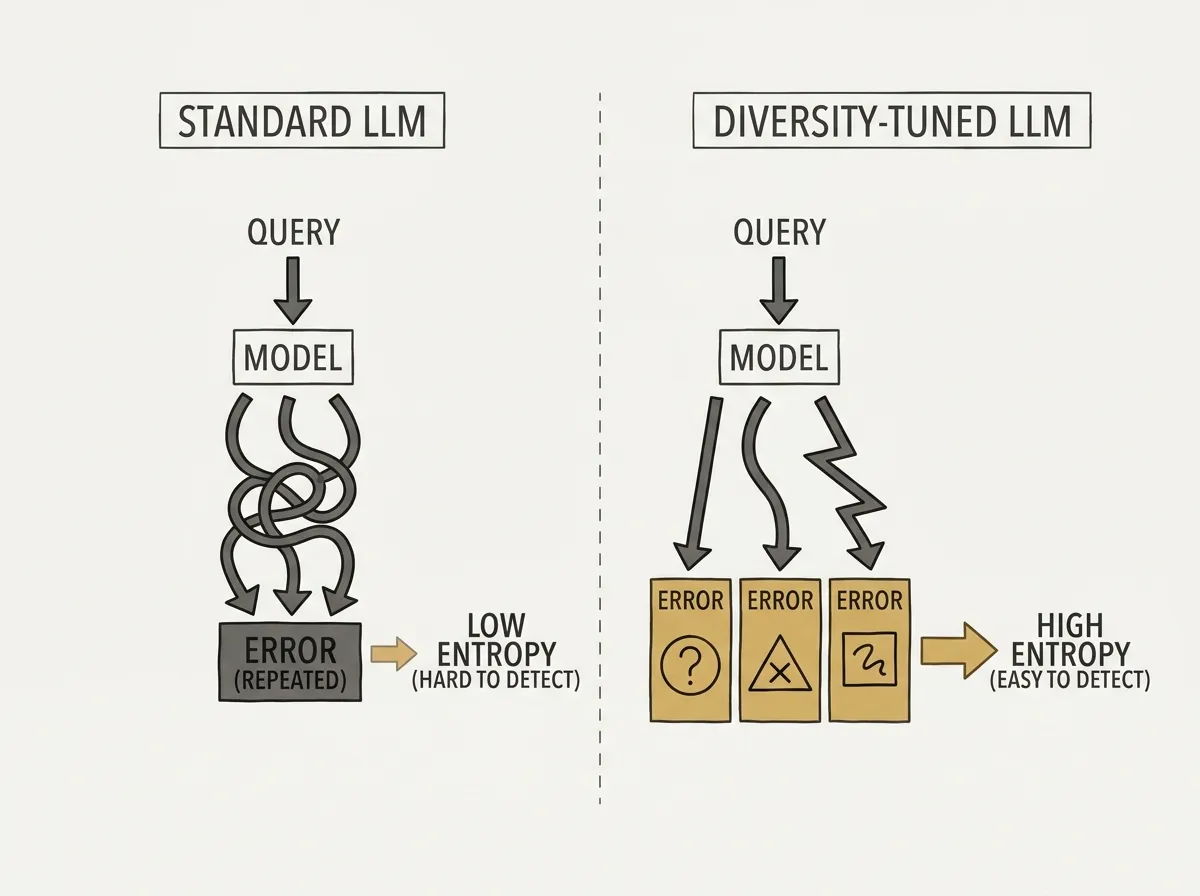
This paper proposes “diversity-oriented fine-tuning.” The core insight is that many undetected hallucinations occur because the LLM consistently produces the same incorrect answer, leading to low semantic entropy that mimics correct answers. By encouraging more varied (yet still incorrect) generations during fine-tuning, the model’s uncertainty signals become clearer for hallucinated outputs.
They achieve this using both Supervised Fine-Tuning (SFT) and Direct Preference Optimization (DPO) strategies. This novel approach significantly improves the effectiveness of semantic-entropy-based hallucination detection, demonstrating a proactive way to build more reliable LLM applications.
This is a practical and impactful contribution, moving beyond mere detection to actually shaping model behavior for improved safety and trustworthiness in applied AI.
Developing maintainable AI support for scientific data analysis challenges
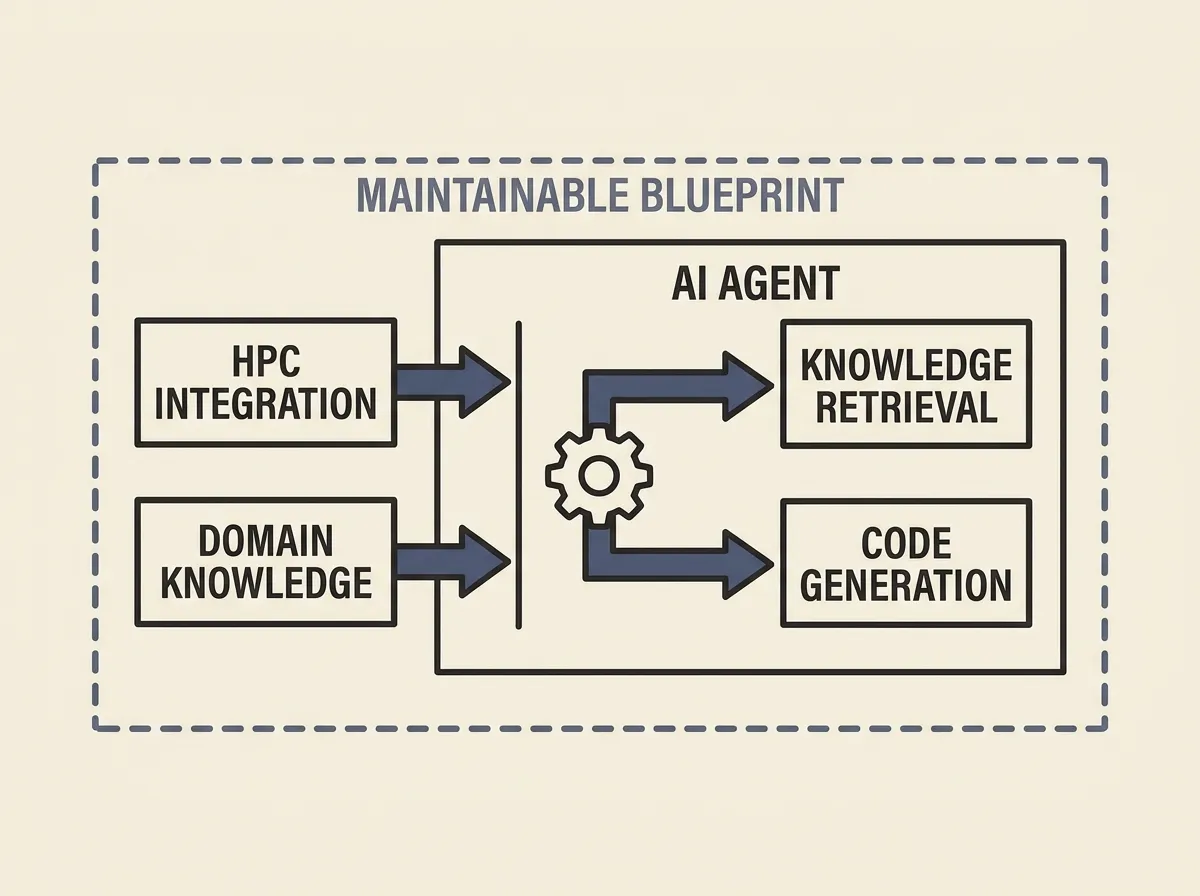
Deploying AI agents in real-world scientific data analysis offers unique challenges, like integrating with high-performance computing and navigating domain-specific knowledge. A new system shows how to build agents for scientists facing data overload.
This agentic AI assists with knowledge retrieval and source code generation, demonstrating a practical application of LLM agents. The design science approach, involving expert interviews and user studies, provides a blueprint for tailoring AI solutions to highly specialized environments.
Learning from these challenges can help engineers design more effective and maintainable AI support systems in complex domains.
Speech tokens leak voiceprints, recoverable via a speaker inversion attack method
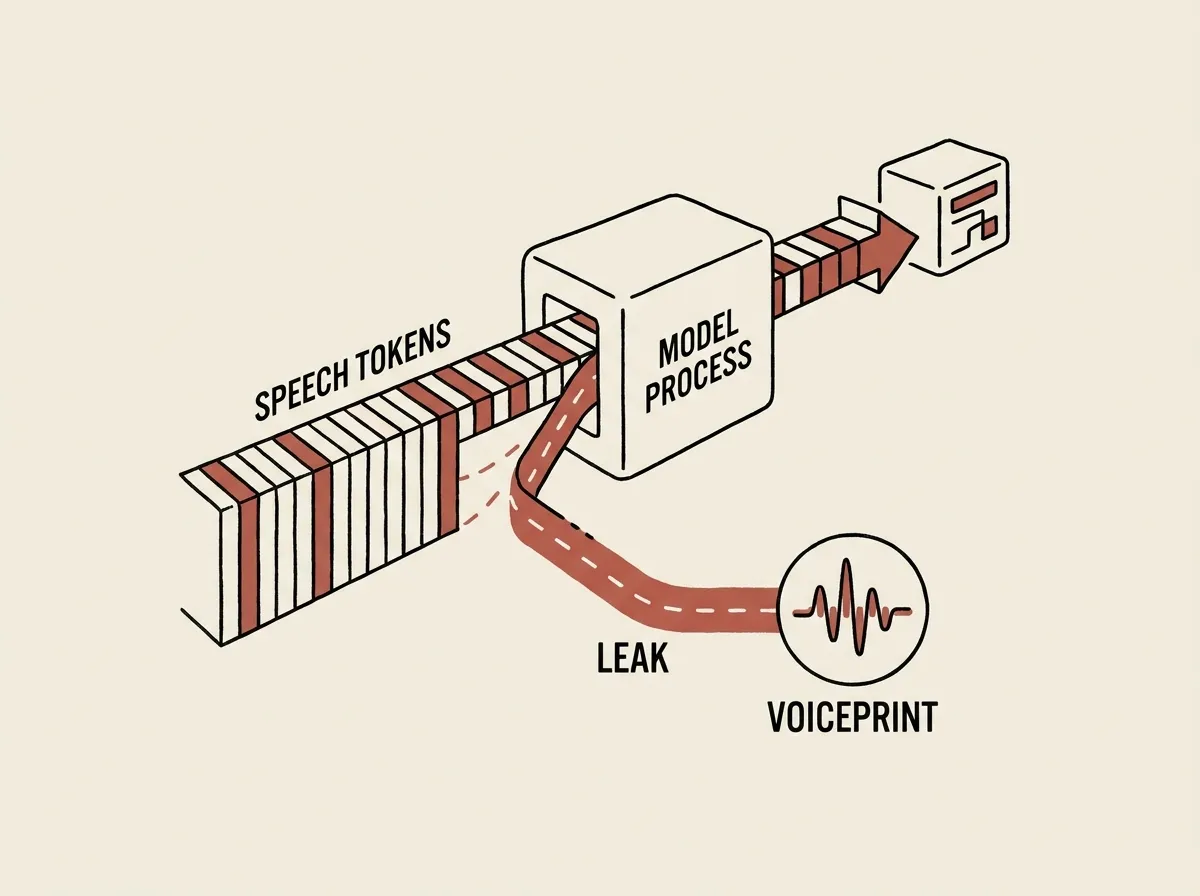
Your speech-enabled LLM might be leaking more than just text. New research reveals a concerning vulnerability: speaker voiceprints can be recovered directly from speech tokens, even from just three seconds of audio.
This is not a theoretical threat. A new method called SpInv, using an “Audio BERT” model, achieved over 0.70 cosine similarity in recovering speaker embeddings from models like Moshi and Kimi-Audio. This implies that the internal speech representations retain significant speaker identity, posing a privacy risk for deployed systems.
For engineers building applied AI solutions with speech, this means rethinking how intermediate speech tokens are handled. Protecting user privacy in LLM infrastructure goes beyond just text data; it extends deeply into the very fabric of speech representation.
Iterative methodology and deep Q-network optimize vehicle routing
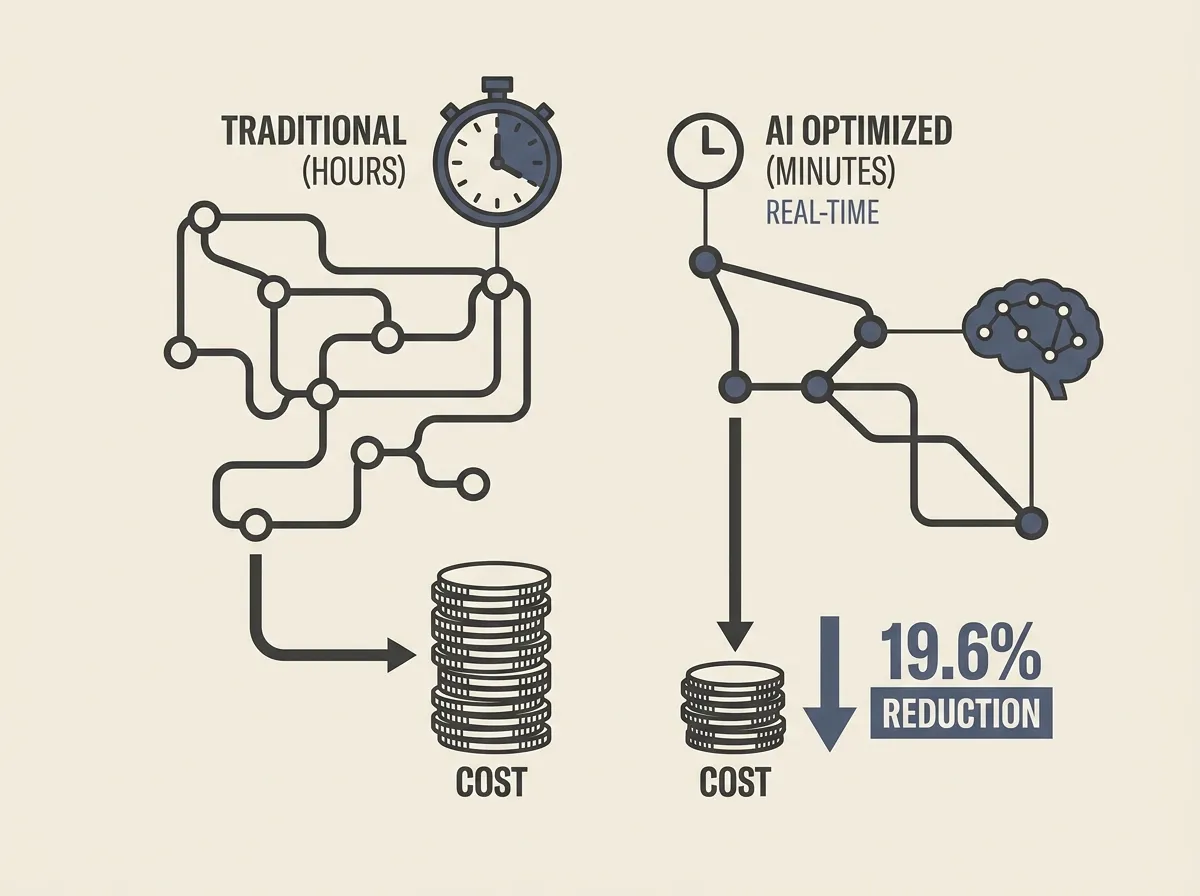
Solving complex logistics problems like the Vehicle Routing Problem (VRP) dynamically, especially with stochastic demands and outsourcing options, is notoriously difficult. This paper introduces a two-level deep reinforcement learning approach that significantly moves the needle.
The core innovation is an offline-trained policy using a deep Q-network with a Graph Attention Network (GAT) to estimate VRP routing costs almost instantly. This allows for real-time decision-making, crucial for dynamic scenarios.
The results are compelling: a 19.6% routing cost reduction over state-of-the-art methods and decisions made in minutes, not hours. This showcases how advanced AI techniques can deliver substantial, tangible benefits in operational efficiency.
HTE-guided stratification reveals distinct treatment effects masked by average analysis
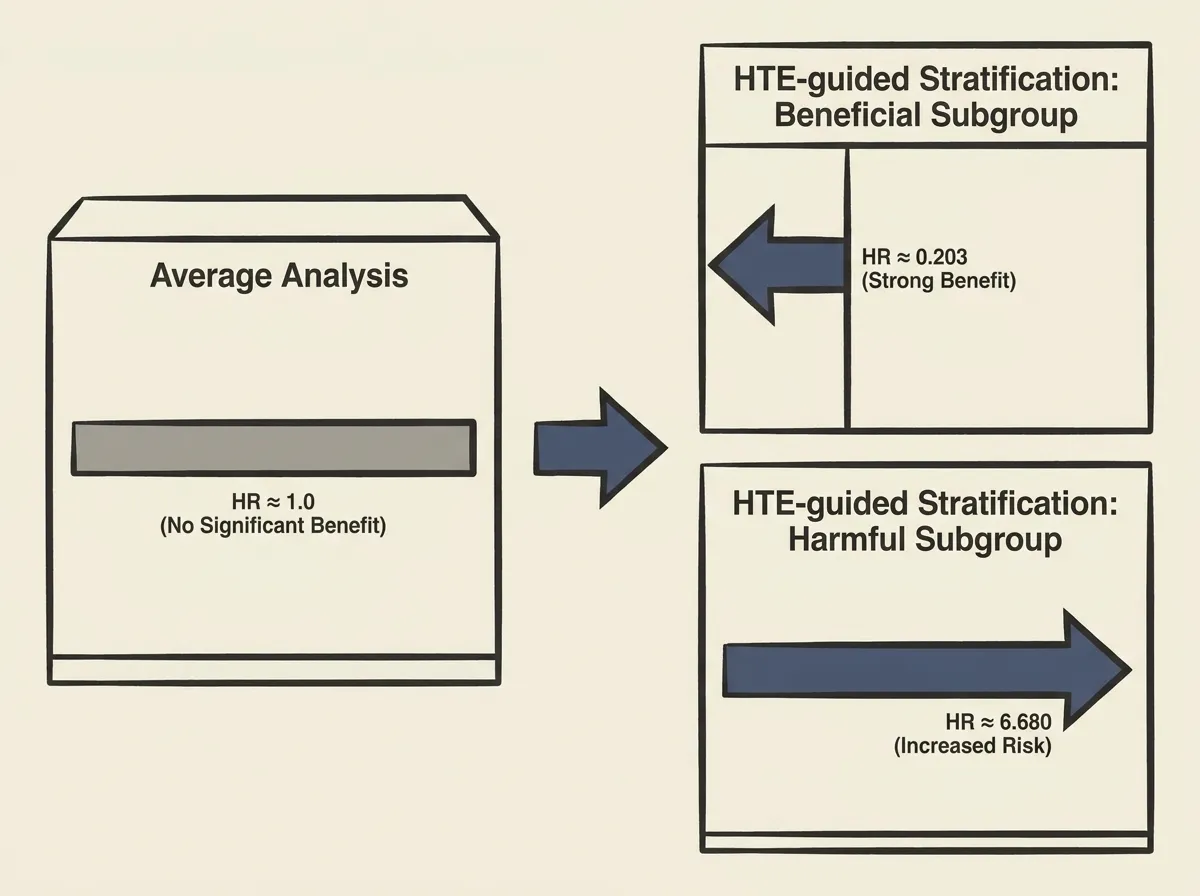
Traditional clinical trials often overlook the crucial reality that treatment effects are not uniform across all patients. This research highlights how leveraging real-world Electronic Health Record (EHR) data can revolutionize clinical trial design by uncovering heterogeneous treatment effects (HTEs).
By emulating the DAPA-HF trial, the study found that while the overall cohort showed no significant benefit from dapagliflozin, HTE-driven stratification identified subgroups with dramatically different responses. A “beneficial” subgroup showed a strong survival benefit (HR = 0.203), while a “harmful” subgroup experienced significantly increased mortality risk (HR = 6.680).
This work powerfully demonstrates that focusing on HTEs can reveal clinically meaningful insights masked by average effects, paving the way for more precise and personalized medicine. It is a compelling case for applied AI in healthcare.
C-MTP offers faster Continuous Chain-of-Thought but struggles with long traces
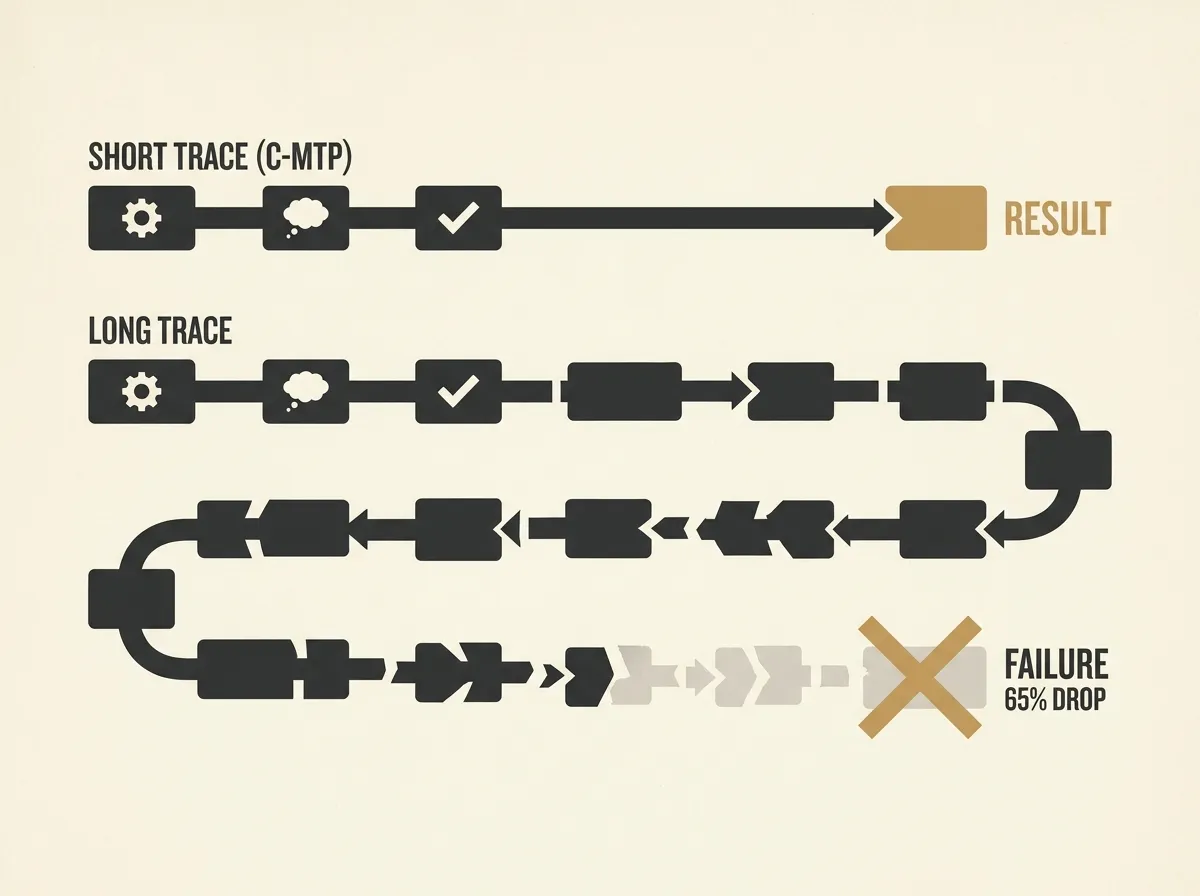
Continuous Chain-of-Thought (CoT) models are a promising direction for efficient LLM reasoning, but this paper reveals a crucial limitation. While introducing a simpler and faster direct supervision method (C-MTP) that performs competitively on short traces, the real takeaway is a significant performance drop - roughly 65 percent - when current continuous CoT models face complex tasks with longer reasoning traces.
This means that if your agent or application requires multi-step reasoning that cannot be compressed into very short latent representations, existing continuous CoT techniques are likely to fall short. The challenge lies in how these models represent and propagate reasoning over extended sequences.
For senior engineers building agents or LLM-powered systems, this is a vital piece of information. It means we cannot simply assume continuous CoT will scale effectively to arbitrarily complex problems yet, and it signals a clear area for further research and engineering focus to bridge this reasoning gap.
Active inference naturally resolves information gathering in partially observable problems
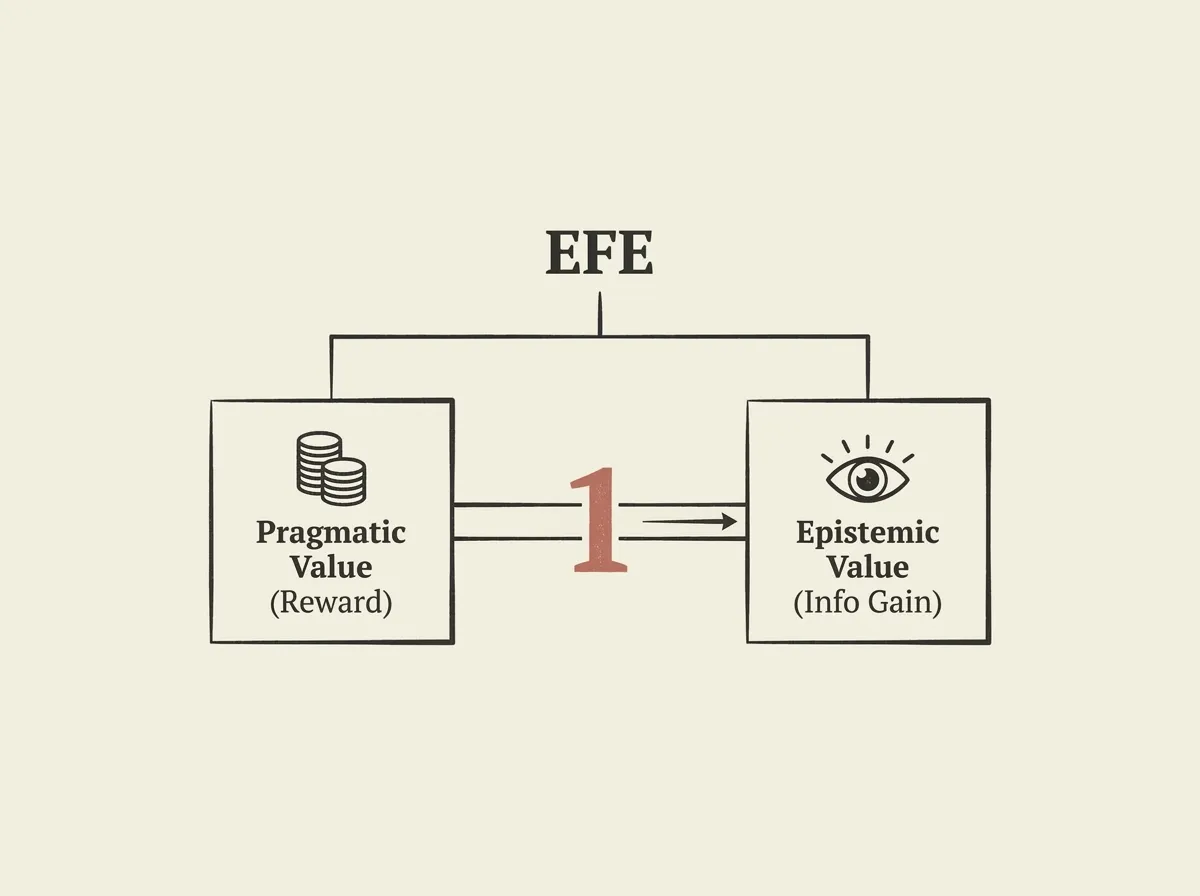
Designing AI agents that effectively balance exploration and exploitation under uncertainty is a fundamental challenge, often requiring extensive manual tuning of exploration weights. This paper presents a significant theoretical and practical breakthrough by showing that minimizing Expected Free Energy (EFE) provides an elegant, untuned solution.
It establishes an equivalence between EFE and rho-POMDPs where the utility is precisely expected information gain, crucially fixing the exploration weight at one. This means that pragmatic and epistemic value are expressed in the same units, eliminating the need for heuristic tuning altogether.
Experiments demonstrate that this out-of-the-box approach often matches or even surpasses carefully tuned, reward-only planning methods across various complex environments. For engineers building autonomous agents, this offers a more robust and theoretically grounded mechanism for intrinsic motivation and information gathering, simplifying development and potentially leading to more adaptable and intelligent agents.
Causal SQIL and IQ-Learn outperform previous imitation learning algorithms

Imitation learning is powerful, but it often struggles with real-world complexities like mismatched observations and hidden confounders between experts and learners. Existing causal imitation methods simply do not scale to long-horizon, high-dimensional tasks.
This new research introduces Causal SQIL and Causal IQ-Learn, two off-policy algorithms that combine causal adjustment with state-of-the-art inverse reinforcement learning. They operate on causally-adjusted state representations, leveraging an efficient approximation of the sequential A -backdoor criterion.
The key innovation is exploiting causal structure to reduce full-horizon adjustment to a fixed-size sliding window. This dramatically improves performance on long-horizon tasks, sometimes even surpassing the expert.
For engineers building complex robotic systems or intelligent agents, these methods offer a path to robust learning from imperfect expert data.
Hybrid-precision framework optimizes edge inference across communication, computation, and accuracy
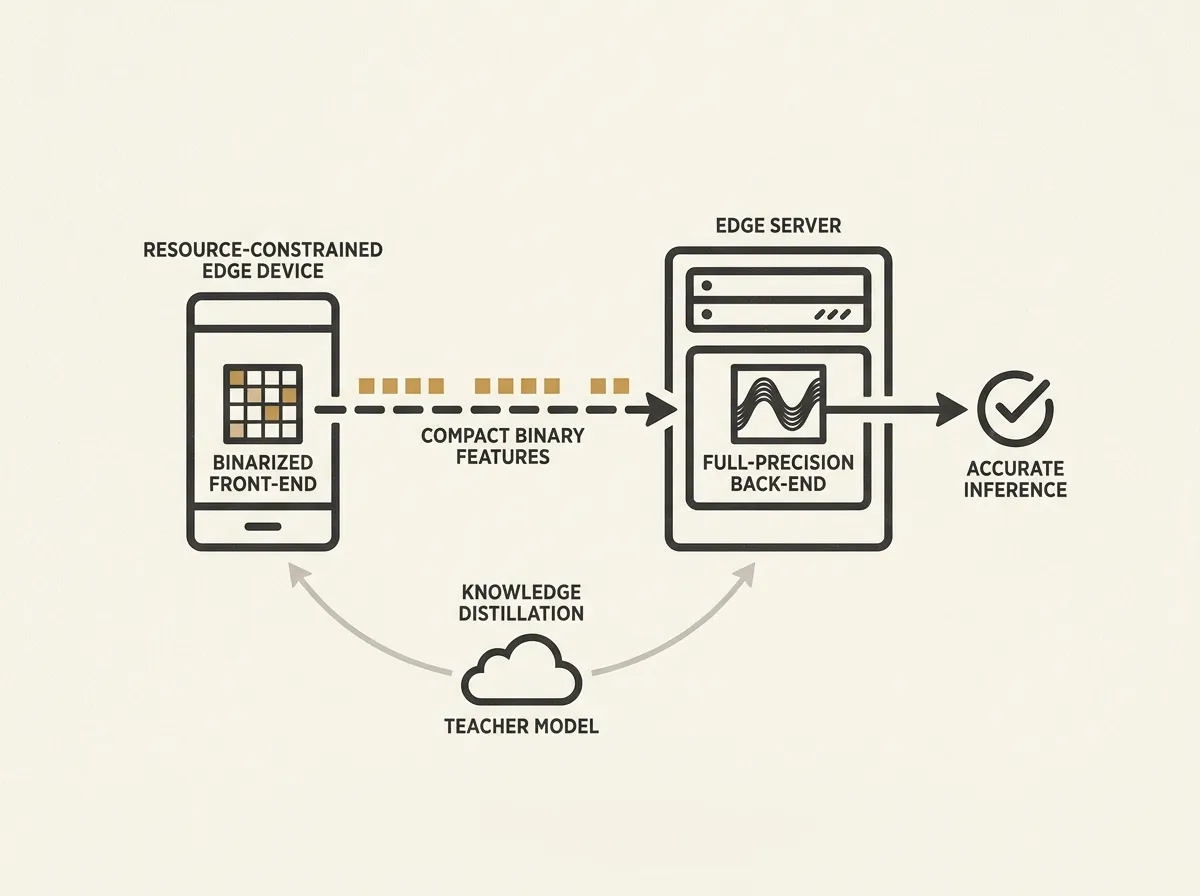
Edge inference is crucial for low-latency AI, but balancing communication efficiency, on-device compute costs, and inference accuracy remains a significant challenge. This new framework, using hybrid-precision models, offers an elegant solution.
The core idea involves deploying a binarized front-end on resource-constrained edge devices to extract and transmit compact binary features. A full-precision back-end on the edge server then performs the final, high-accuracy inference.
This integrated approach includes a specialized binarization method for split inference and a channel-aware transmission scheme. Knowledge distillation is used to optimize the entire end-to-end system, inheriting semantic knowledge from larger teacher models.
For engineers building responsive AI services at the network edge, this design demonstrates an optimal trade-off, enabling powerful AI on constrained hardware.
Reprodgen automatically replicates data science code from Q&A posts
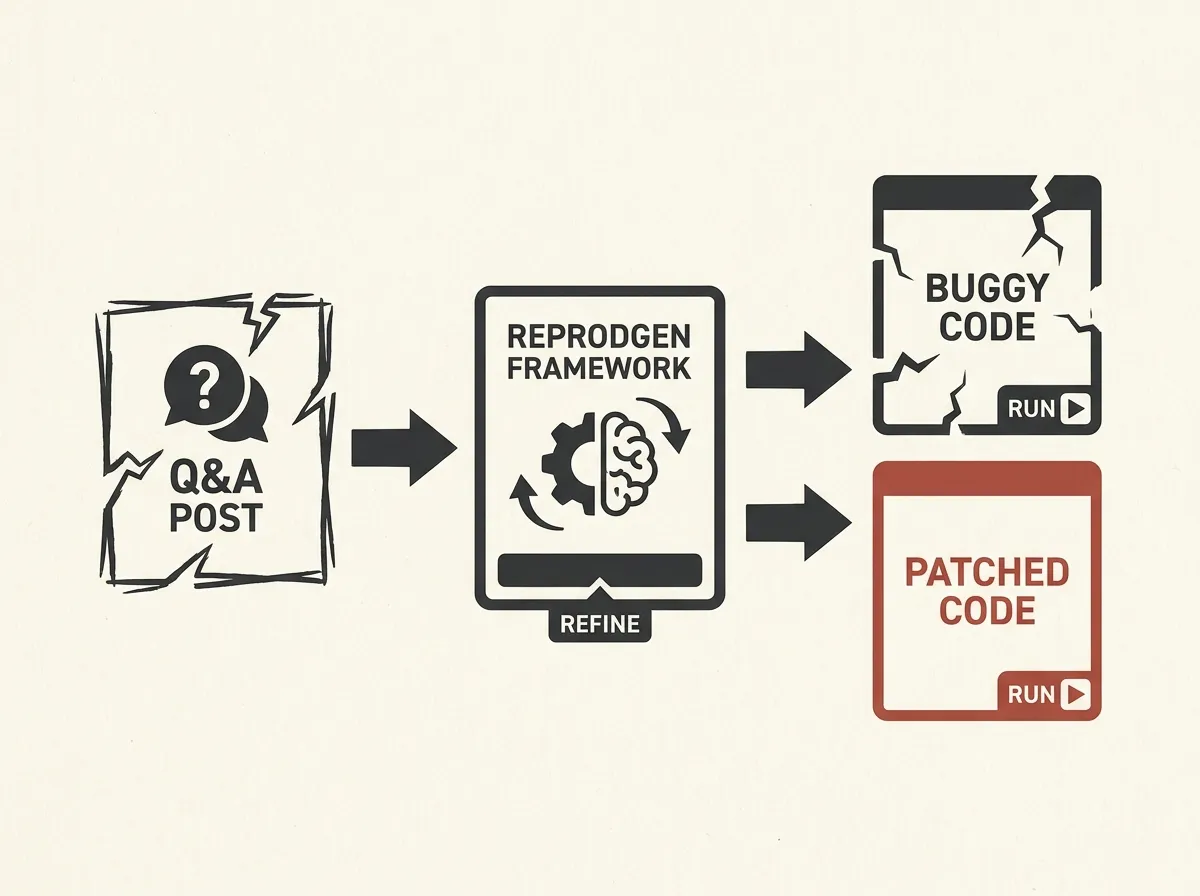
Imagine an LLM that can turn a Stack Overflow discussion about a data science bug into a runnable, reproducible example, complete with a patch. That is Reprodgen.
This framework automatically reconstructs executable buggy and patched data science programs from Q&A forum posts. It achieves this by building structured representations of code intent and functional requirements, then iteratively refining the code using an LLM-based reviewer.
This tackles a significant pain point for data scientists and engineers: the ambiguity and incompleteness of informal code discussions. It offers a tangible step towards automated debugging and verification from real-world problem descriptions, leading to faster issue resolution and improved code quality.
OpenLanguageModel simplifies language model pretraining with visible architecture
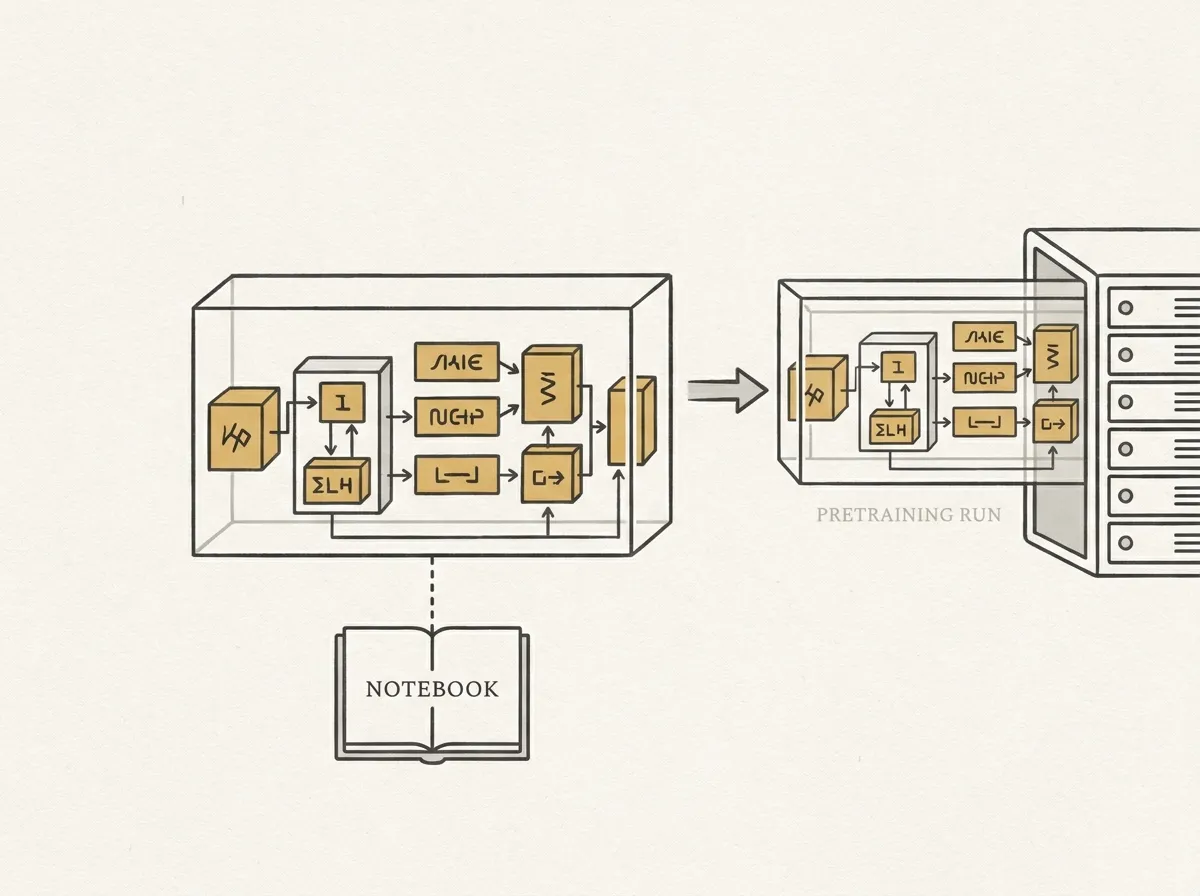
OpenLanguageModel (OLM) is an open-source PyTorch library designed to make building and pretraining small language models more transparent and accessible. Its core philosophy centers on keeping the model’s machinery visible.
The library ensures model code reads like the architecture itself, with components as ordinary modules and clear descriptions of how they are wired. This composable approach allows a model to move seamlessly from a teaching notebook to a full pretraining run or research ablation, without modification.
OLM handles tokenizers, datasets, optimization, mixed precision, and hardware-aware execution across CPU, single-GPU, and multi-GPU setups. This commitment to readability and practical engineering makes it an excellent resource for anyone wanting to truly understand and build LLM infrastructure.
Dependency-Aware Code Generation for Better Software Systems
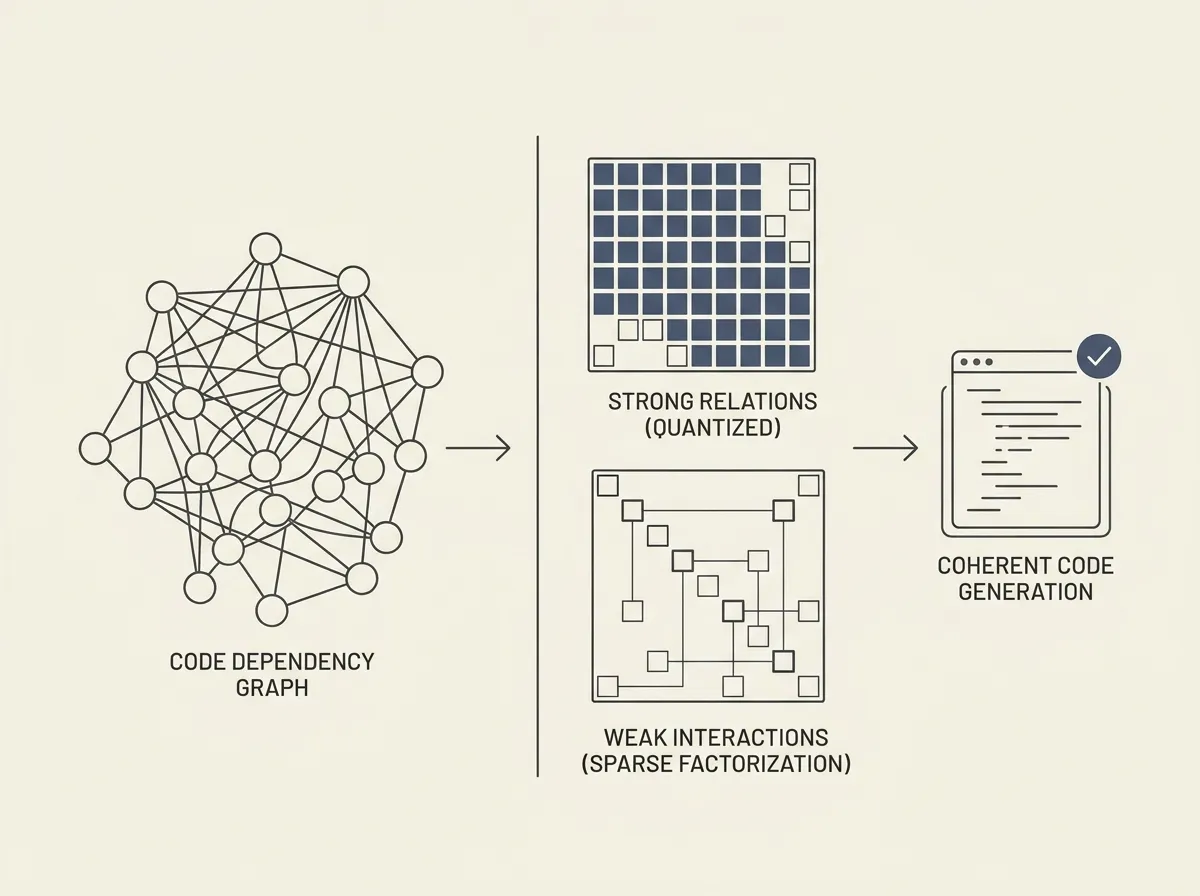
Automated code generation often struggles with producing code that is both semantically correct and structurally consistent, particularly in complex systems. This paper introduces a dependency-guided framework to tackle that problem head-on.
The framework models intricate, multi-level dependencies among code entities using a graph-based representation. It then decomposes these dependencies into a quantized matrix for strong relations and a sparse low-rank factorization for weaker interactions.
By incorporating this learned dependency structure as a constraint during generation, the system ensures both semantic coherence and structural fidelity. This approach is a significant step forward for those building or relying on advanced code generation tools, offering a path to higher quality, more maintainable generated code.
Agentic Code Reviewers Achieve Precision but Incur Substantial Overhead
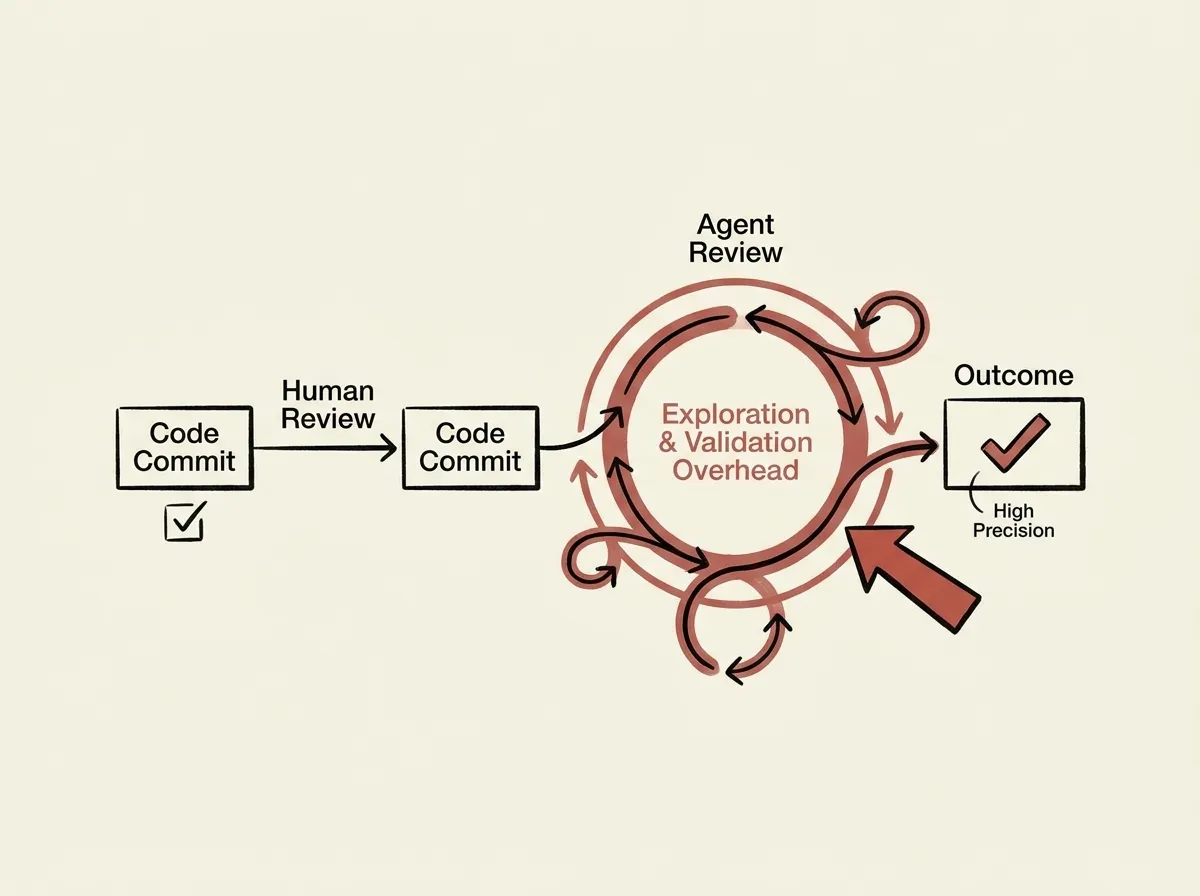
Agentic code review, especially in terminal environments, offers exciting potential for early feedback in local development. However, simply deploying an agent is not enough; understanding its behavior, cost, and alignment with human workflows is critical.
This study provides a trajectory-level analysis, revealing that while agentic reviewers achieve higher precision, they incur substantial exploration and validation overhead. A key finding is that successful reviews are strongly associated with more robust planning and less need for downstream validation.
These insights are crucial for any senior engineer designing or integrating AI agents into development workflows. It underscores that optimizing agent performance requires more than just high accuracy; it demands a deep understanding of their operational dynamics and how to minimize hidden costs to truly enhance developer productivity.
Post-anchor stabilization density fails to measure deferred obligations
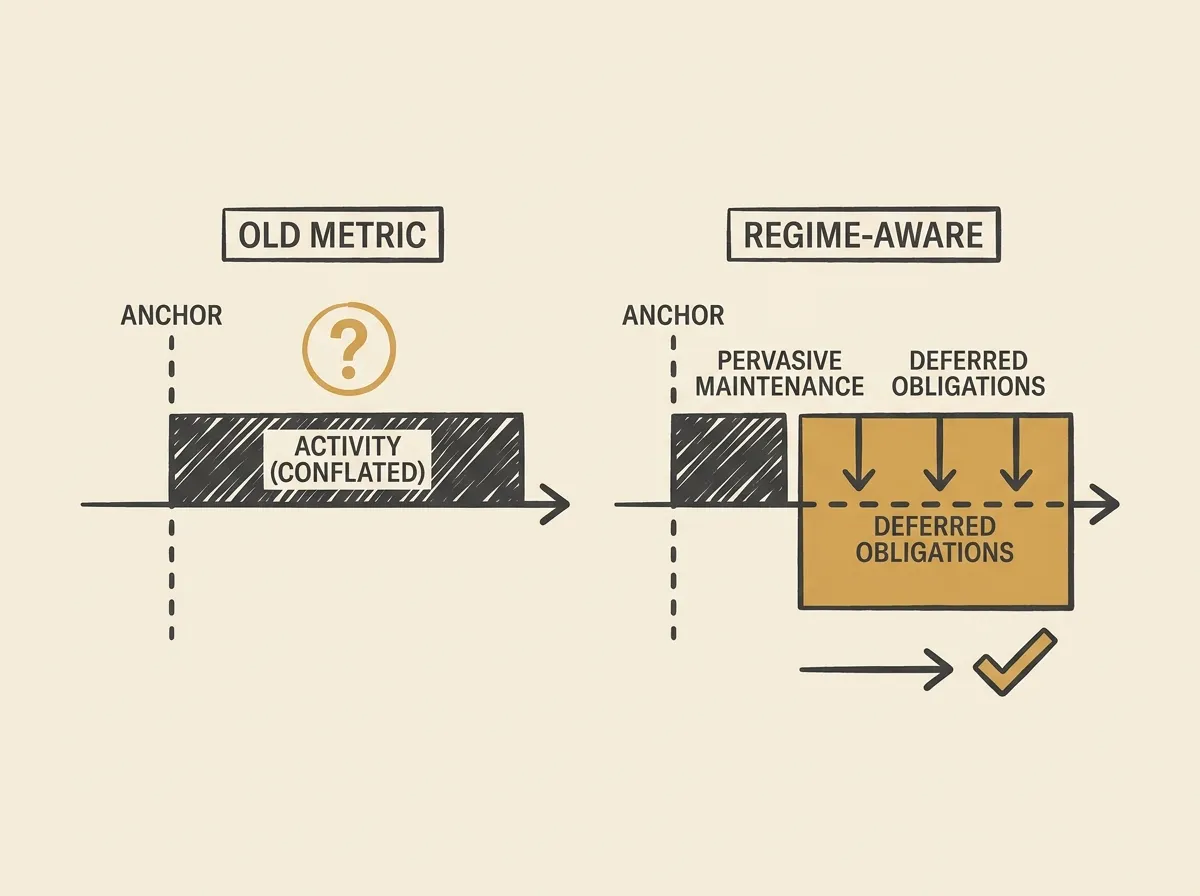
Are you measuring technical debt and project stabilization effectively? A new study suggests that traditional “post-anchor stabilization density” metrics (counting tests, CI, docs after architectural changes) are failing, especially in AI-evidence projects.
Researchers found that this metric conflates pervasive maintenance with genuine technical debt. In a study of 338 high-visibility GitHub repositories, they observed no post-anchor uplift in stabilization signals.
The paper introduces “stabilization regimes” to provide a more accurate, regime-aware attribution for identifying true stabilization obligations. This offers a much-needed, nuanced approach for engineering leaders to assess project health and technical debt.